

An alternating pressure mattress is a specialist support surface designed for people who spend long periods lying in bed and may be at risk of pressure injuries. It is different from a regular home mattress because it uses air cells that inflate and deflate in cycles, helping to change pressure points across the body.
For families caring for an elderly parent, a loved one recovering at home, or someone with limited mobility, this can be an important topic. It can also feel confusing because alternating pressure mattresses are often discussed in healthcare settings, not everyday mattress showrooms.
The main thing to understand is that an alternating pressure mattress is usually a clinical or care-related product. It is not simply a softer, firmer, or more comfortable version of a standard mattress. It is designed to support pressure redistribution as part of a wider care plan, which may also include repositioning, skin checks, nutrition, hygiene, and professional healthcare advice. Mayo Clinic notes that reducing pressure for bedsores usually involves changing position often and using support surfaces such as special mattresses, beds, and cushions.
This guide explains alternating pressure mattress benefits in a calm, practical way, so you can understand what they do, what they do not do, and when to speak with a healthcare professional.
What Is an Alternating Pressure Mattress?
An alternating pressure mattress is a powered air mattress made with connected air cells. These air cells inflate and deflate in a controlled pattern, so different parts of the body are supported at different times.
The goal is to reduce continuous pressure on the same areas of the body. This matters because long periods in one position can place pressure on areas such as the hips, heels, shoulders, elbows, and lower back.
Unlike a normal mattress, an alternating pressure mattress usually needs a pump or control unit. The pump manages the air flow and pressure cycle. Some systems allow settings to be adjusted based on the person’s weight, comfort, and care needs.
These mattresses are commonly used in hospitals, nursing facilities, and home care situations where a person has limited mobility or is at risk of pressure injuries. They should be selected with professional guidance, especially when there are existing wounds, fragile skin, or complex health needs.
For everyday sleep, most people do not need an alternating pressure mattress. A supportive, breathable home mattress is usually more suitable for regular comfort, shared sleep, and daily rest.
Key Alternating Pressure Mattress Benefits
The benefits of an alternating pressure mattress are mainly linked to pressure redistribution and care support. They are not about luxury comfort or general mattress softness.
It helps reduce continuous pressure
The most important benefit is that the mattress changes which parts of the body receive pressure at different times. This can help reduce prolonged pressure on vulnerable areas.
For someone who cannot turn easily, this can be useful as part of a pressure care routine. A Cochrane review found that alternating pressure air surfaces may reduce pressure ulcer risk compared with foam surfaces, although product choice should still depend on clinical assessment and care needs.
It supports people with limited mobility
People who stay in bed for long periods may need extra support to reduce pressure build-up. An alternating pressure mattress may be recommended when someone cannot reposition themselves regularly or needs assistance moving.
This does not mean the mattress replaces turning or care. Repositioning remains an important part of pressure injury prevention and management. Clinical guidance commonly treats repositioning and support surfaces as parts of an overall care plan.
It can help carers manage pressure care
For family members and carers, an alternating pressure mattress may provide additional support in a home care setup. It may reduce the need for one single mattress surface to carry constant pressure in the same areas.
This can be reassuring, but it should not create a false sense of security. Skin still needs to be checked regularly, bedding should stay smooth, and healthcare advice should be followed.
It may be useful when risk levels increase
In some care pathways, a person may be moved to an alternating pressure mattress when the risk of pressure injury increases or when a pressure ulcer has already developed. NHS patient guidance notes that if pressure ulcer risk increases, or if a pressure ulcer has developed, the mattress may be changed to an alternating system.
This is why professional assessment is important. The right support surface depends on the person’s mobility, skin condition, weight, comfort, care environment, and overall health.
What an Alternating Pressure Mattress Cannot Do
An alternating pressure mattress can be helpful, but it is not a complete solution by itself.
It cannot replace medical care. It cannot guarantee prevention of pressure injuries. It cannot heal wounds on its own. It also cannot remove the need for repositioning, hygiene, nutrition, skin checks, and proper care routines.
It may not be suitable for every person. Some users may find the movement, sound of the pump, or changing air pressure unfamiliar. Others may need a different type of support surface based on their clinical needs.
It is also not the same as a regular home mattress. If you are simply looking for better comfort, cooler sleep, or support for normal nightly rest, an alternating pressure mattress may not be the right choice.
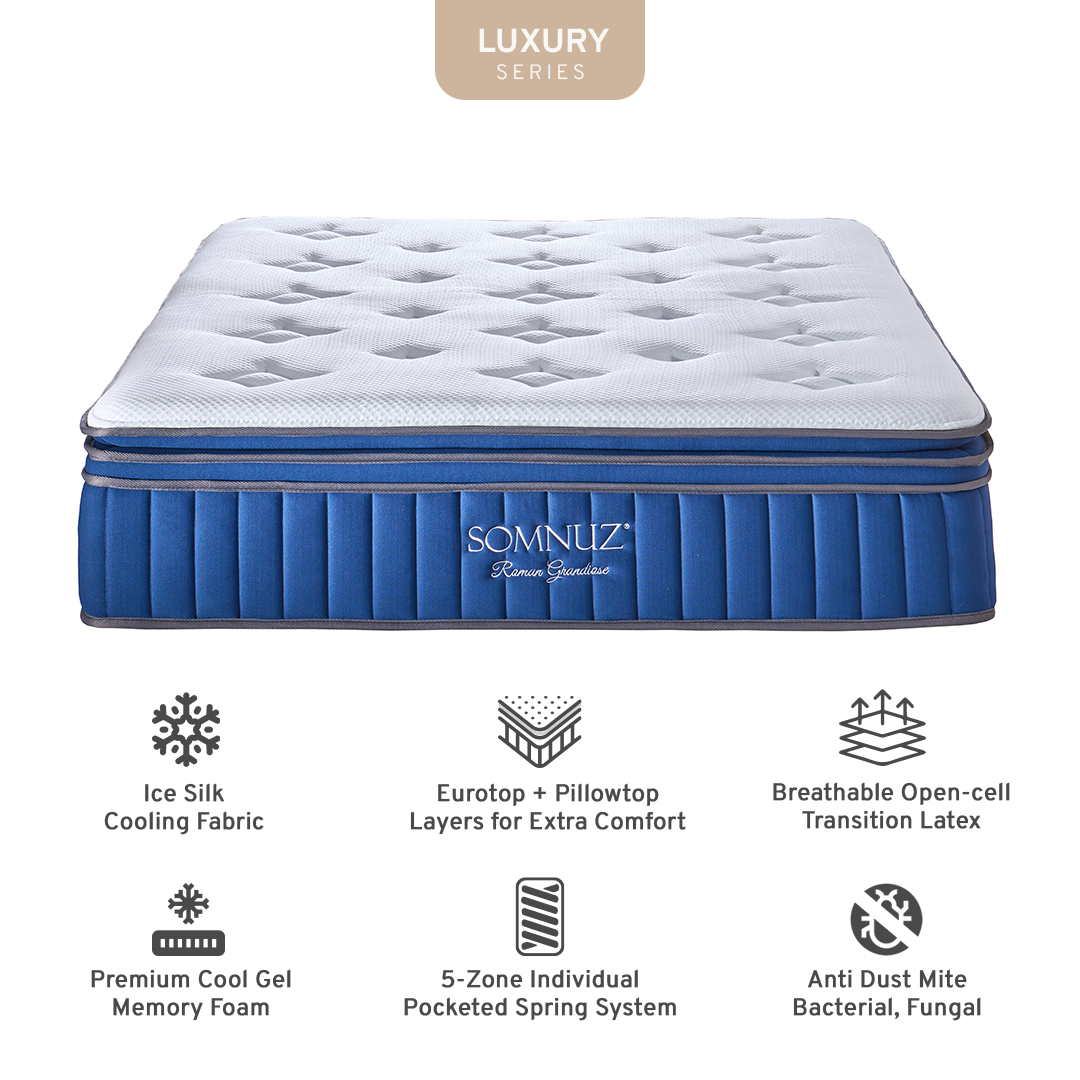
For everyday home sleep, a mattress should be selected based on comfort, support, breathability, motion control, room fit, and personal sleep preference. You can compare standard home sleep options through the Somnuz mattress collection, which is designed for everyday rest rather than clinical pressure care.
Who May Need an Alternating Pressure Mattress?
An alternating pressure mattress may be considered for people who are at higher risk of pressure injuries. This may include those who spend long periods in bed, have limited ability to move, or need assistance repositioning.
It may also be considered in home care settings for elderly family members, post-hospital recovery, or long-term care situations. However, the decision should be guided by a doctor, nurse, physiotherapist, occupational therapist, or wound care professional.
A person may need professional advice if they:
-
Spend most of the day in bed
-
Need help turning or repositioning
-
Have fragile or sensitive skin
-
Have existing pressure sores or wounds
-
Have reduced sensation
-
Have reduced mobility
-
Are recovering from surgery or illness
-
Use a wheelchair for long periods
- Have carers supporting daily movement and hygiene
If there is any redness, broken skin, wound, swelling, unusual warmth, or persistent discomfort, it is best to seek healthcare advice promptly. Pressure injuries can worsen if not managed properly.
Alternating Pressure Mattress in a Singapore Home
In Singapore, home care often happens in compact bedrooms. Families may be caring for elderly parents in HDB flats, condo rooms, or multi-generational landed homes. Space, power sockets, ventilation, bed height, and caregiver access all matter.
An alternating pressure mattress usually needs space for a pump and a safe power connection. The bed height should also allow safe transfers and care routines. Bedding should not interfere with the air cells or pressure cycle.
Singapore’s humid weather is another factor. The room should be kept ventilated where possible, and bedding should stay dry and smooth. Moisture, heat, and friction can all affect skin comfort. This is why pressure care should consider the whole room setup, not only the mattress.
If an adjustable sleeping position is needed for general home comfort, an adjustable bed may be worth exploring for everyday lifestyle needs. However, it should not be treated as a substitute for a clinical pressure care system when there is a risk of bedsores.
How to Choose an Alternating Pressure Mattress
Choosing an alternating pressure mattress should involve clinical guidance. A healthcare professional can assess the person’s risk level and recommend the right type of support surface.
Important points to consider include:
-
The person’s weight and body size
-
Level of mobility
-
Skin condition
-
Existing wounds or pressure areas
-
Time spent in bed
-
Comfort and tolerance
-
Caregiver access
-
Pump noise and power needs
-
Mattress height and bed frame fit
-
Ease of cleaning
- Home space and ventilation
Do not choose purely by price, thickness, or online ratings. A specialist support surface should match the person’s care needs.
If you are caring for someone at home, ask the healthcare team how often to reposition, how to check skin, what bedding to use, and how to maintain the mattress safely.
Everyday Mattress Support vs Specialist Pressure Care
It is helpful to separate everyday mattress needs from specialist pressure care needs.
A standard mattress is designed for regular sleep comfort. It supports sleep posture, cushioning, breathability, motion control, and daily rest. It may suit homeowners, couples, families, and everyday sleepers.
An alternating pressure mattress is designed for pressure redistribution in care settings. It is often used when someone is immobile, at risk of pressure injuries, or under clinical guidance.
If your concern is everyday comfort, heat, partner movement, or mattress age, a regular supportive mattress may be more suitable. Somnuz’s Sleep Well guidance can help you understand mattress feel, support, and fit for everyday sleep.
If your concern is bedsores, pressure injuries, wounds, or limited mobility, speak with a healthcare professional before choosing any mattress.
When to Seek Professional Help
Seek professional help if the person has skin redness that does not fade, open wounds, dark patches, swelling, pain, unusual warmth, or signs of infection. You should also seek advice if the person cannot move independently or spends long periods in bed.
A support surface is only one part of care. Mayo Clinic explains that treating bedsores starts with lowering pressure and friction, including position changes and special support surfaces.
For families, the safest approach is to ask for a proper assessment. This helps ensure the mattress, bed height, repositioning schedule, and care routine are suitable for the person.
Frequently Asked Question
What are the main alternating pressure mattress benefits?
The main benefits are pressure redistribution, reduced continuous pressure on vulnerable areas, and extra support for people with limited mobility. It should be used as part of a wider care plan guided by healthcare professionals.
Is an alternating pressure mattress good for everyday sleep?
It is usually meant for care-related situations, not regular everyday sleep. Most people looking for normal comfort, support, and breathability will be better suited to a standard mattress.
Can an alternating pressure mattress prevent bedsores?
It may help reduce pressure injury risk for some people, but it cannot guarantee prevention. Repositioning, skin checks, hygiene, nutrition, and professional care are also important.
Does an alternating pressure mattress replace turning?
No. It should not replace repositioning unless a healthcare professional provides specific guidance. Turning and pressure relief remain important parts of care for many people.
Who should use an alternating pressure mattress?
It may be considered for people with limited mobility, fragile skin, existing pressure areas, or high risk of pressure injuries. A healthcare professional should assess the person before selection.
Can I buy an alternating pressure mattress without medical advice?
You may find them available online, but it is better to seek professional advice before buying. The wrong support surface may not meet the person’s care needs.
Choose the Right Support for the Right Need
An alternating pressure mattress may be helpful in care situations, but it should be chosen with proper healthcare guidance. For everyday sleep, good value comes from choosing the right comfort, support, breathability, and fit for Singapore’s humid conditions.
Browse the Somnuz mattress collection if you are looking for a supportive mattress for regular home rest. Or visit our showroom for honest guidance on everyday mattress comfort, while seeking clinical advice for pressure care needs.