

An anti mold mattress sounds reassuring, especially in Singapore’s humid climate. Warm weather, moisture, closed bedrooms, air-conditioning cycles, and limited ventilation can all make homeowners worry about mould on mattresses.
But it is important to be clear: no mattress should be treated as completely mould-proof. Some materials and covers may be easier to care for, but mould prevention depends mainly on moisture control, ventilation, cleaning habits, and the room environment.
The EPA explains that indoor mould growth can and should be prevented or controlled by controlling moisture indoors, and that mould problems will likely return if the water or moisture problem is not fixed.
For Singapore homes, this means choosing a breathable, suitable mattress is helpful, but it must be paired with good care. This guide explains what an anti mold mattress really means, how mould forms, and when cleaning or replacement makes more sense.
What Does Anti Mold Mattress Mean?
The phrase anti mold mattress may refer to a mattress marketed as resistant to mould, made with breathable materials, or designed to reduce moisture build-up. It may also refer to a mattress used with a protective cover.
However, mould needs moisture to grow. If a mattress is kept damp, placed against a wet wall, used in a room with poor ventilation, or covered before fully dry, mould may still develop.
An anti mold mattress should be understood as a mattress that supports easier care, not a mattress that can ignore moisture problems.
A practical anti mould sleep setup may include:
-
A breathable mattress
-
A suitable bed base
-
Good airflow around the bed
-
A washable mattress protector
-
Regular sheet washing
-
Room ventilation
-
Prompt spill cleaning
- Humidity control where needed
The mattress matters, but the bedroom environment matters too.
Why Mattresses Can Develop Mould in Singapore
Singapore’s humidity makes moisture control more challenging. Even if you use air-conditioning at night, moisture can still build up in a closed room, especially if windows stay shut during the day.
Mattresses can develop mould when moisture is trapped. This may come from sweat, spills, damp bedding, poor airflow under the mattress, condensation near walls, or storing a mattress in plastic.
Common mould risk situations include:
-
Mattress placed directly on the floor
-
Solid platform bed with poor airflow
-
Storage bed that traps humidity
-
Bedroom wall with dampness
-
Wet cleaning without proper drying
-
Thick bedding left on all day
-
Mattress stored in plastic wrapping
- Spills not dried fully
The EPA notes that mould spores are naturally found indoors, but they will not grow without moisture. This is why moisture prevention is the most important step.
Signs Your Mattress May Have Mould
Mould on a mattress may appear as black, green, grey, or dark spots. It may also create a musty smell that returns even after airing.
Look for:
-
Black dots or patches
-
Musty odour
-
Damp feeling
-
Stains on the underside
-
Marks near mattress edges
-
Discolouration near walls
-
Respiratory irritation in sensitive people
- Spots that spread over time
If you see small surface marks, inspect carefully before assuming the cause. Black dots may also be dirt, fabric transfer, stains, or pest marks. But if there is a musty smell or spreading patches, moisture is likely involved.
Do not cover mould-like marks with a sheet and ignore them. Mould concerns should be handled properly because the issue may continue beneath the surface.
Can an Anti Mold Mattress Prevent Mould Completely?
No mattress can guarantee complete mould prevention if the room has ongoing moisture issues. A mattress can be breathable and well-made, but if it is placed in a damp environment, mould risk remains.
Prevention depends on keeping the mattress dry and ventilated. This includes using the right bed base, airing the mattress during sheet changes, and avoiding trapped moisture.
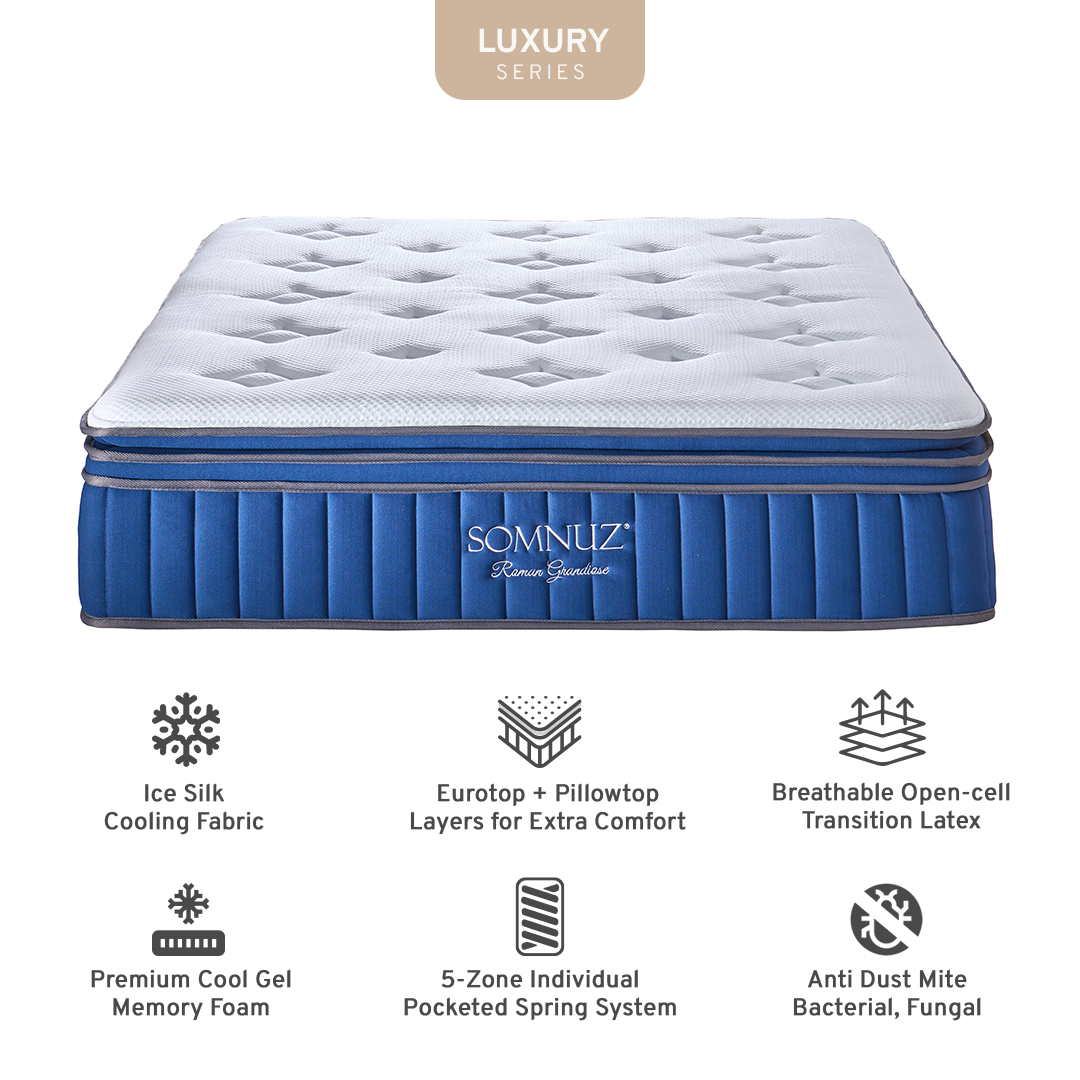
A mattress with breathable construction may help the bed feel fresher in humid weather. For example, a pocketed spring mattress may appeal to sleepers who prefer responsive support and airflow through the spring structure. A latex mattress may suit those who prefer a buoyant feel, while a memory foam mattress may suit those who like a cushioned surface, provided breathability and room care are considered.
The best choice depends on comfort, support, heat preference, and room conditions.
How to Reduce Mould Risk on a Mattress
Good habits can reduce mould risk significantly.
Let the mattress breathe when changing sheets. Leave it uncovered for a short while so warmth and moisture can disperse.
Use a breathable mattress protector. A protector helps guard against sweat and spills, but it should not trap heat or moisture.
Keep the room ventilated. Open windows when suitable, use a fan, or use air-conditioning dry mode if the room feels damp.
Avoid placing the mattress directly on the floor. A proper bed base can support airflow, especially in humid homes.
Check the underside of the mattress every few months. This is especially important for storage beds or rooms with limited natural light.
Dry spills immediately. Do not put bedding back on until the mattress is fully dry.
Keep the bed slightly away from damp walls if possible. Wall moisture can affect the mattress side closest to it.
A little regular care can prevent bigger problems later.
Can You Clean a Mouldy Mattress?
Light surface marks may sometimes be cleaned, but mould on a mattress can be difficult because moisture may enter deeper layers. If mould has spread, smells musty, or returns after cleaning, replacement may be the safer and more reassuring choice.
The EPA advises cleaning up mould and fixing the water problem, otherwise the mould problem is likely to return.
For mattresses, this means you should not only clean the visible marks. You should also solve the cause, such as poor ventilation, damp walls, wet bedding, or trapped humidity.
Avoid soaking the mattress during cleaning. Too much water may make the problem worse if the mattress cannot dry fully.
If the mattress is heavily mouldy, very old, deeply stained, or smells musty after cleaning, replacing it is usually more practical.
When Should You Replace the Mattress?
An anti mold mattress search often begins after someone finds dark spots or a musty smell. If the mattress already has mould-like marks, the decision is usually between cleaning and replacement.
Consider replacement if:
-
Mould covers a large area
-
The musty smell remains
-
The mattress feels damp
-
Spots return after cleaning
-
The underside has dark patches
-
The mattress is old or sagging
-
You no longer feel comfortable using it
- The room moisture issue has been fixed but the mattress still smells
A mattress should feel clean, supportive, and reassuring. If hygiene doubts remain, replacement may restore peace of mind.
You can compare fresh options through the Somnuz mattress collection, focusing on breathable comfort, support, and suitability for Singapore homes.
Choosing a Mattress for Humid Singapore Homes
When choosing a new mattress, think about your room as much as the mattress itself.
Ask:
-
Does the room get humid?
-
Is the bed against a wall?
-
Does the base allow airflow?
-
Do you use air-conditioning or a fan?
-
Do you sleep warm?
-
Is the bedding breathable?
- Can the mattress be aired easily?
A supportive mattress should also match your sleep needs. Couples may want motion control. Side sleepers may want cushioning. Hot sleepers may want better airflow.
For clearer guidance on comfort and fit, Somnuz’s Sleep Well page can help you compare mattress needs in a practical way.
Trying mattresses in person can also help. At a mattress showroom Singapore, you can receive calm showroom guidance on comfort, breathability, and care.
Frequently Asked Question
What is an anti mould mattress?
An anti mold mattress usually refers to a mattress designed or marketed to resist moisture build-up or support easier care. However, no mattress can fully prevent mould if the room has ongoing moisture problems.
Why does mould grow on mattresses in Singapore?
Mould can grow when moisture is trapped. Singapore’s humidity, poor airflow, damp walls, sweat, spills, and solid bed bases can all increase mould risk.
Can a breathable mattress stop mould?
A breathable mattress may help reduce trapped heat and moisture, but it cannot stop mould completely if the bedroom is damp or poorly ventilated.
Should I clean or replace a mouldy mattress?
Small surface marks may be cleaned if the mattress dries fully and the moisture source is fixed. Replace the mattress if mould is widespread, musty, recurring, or deep.
How do I prevent mattress mould?
Keep the room ventilated, use a breathable protector, avoid placing the mattress on the floor, dry spills fully, air the mattress during sheet changes, and check the underside regularly.
Is memory foam more likely to mould?
Any mattress can develop mould if moisture is trapped. Foam mattresses need careful drying if they become wet because moisture can be harder to release from deeper layers.
Choose a Mattress That Works With Singapore’s Climate
An anti mold mattress should not be seen as a shortcut around moisture control. Good value comes from choosing a breathable, supportive mattress and caring for it properly in Singapore’s humid conditions.
Browse the Somnuz mattress collection to compare mattress options for everyday comfort and freshness. Or visit our showroom for honest guidance on choosing a mattress that suits your room, routine, and sleep needs.