

Baking soda on mattress for bed bugs is a common home remedy people search for when they are worried about pests in the bedroom. It can feel like a simple, low-cost solution: sprinkle baking soda on the mattress, wait, then vacuum it away.
But when it comes to bed bugs, simple home remedies are rarely enough. Bed bugs are difficult to control because they hide in small cracks, seams, bed frames, headboards, furniture, luggage, and walls. The mattress is only one place they may be found.
The US Environmental Protection Agency explains that bed bug control is complex and recommends an integrated pest management approach that combines inspection, preparation, non-chemical methods, and safe legal treatment options. It also warns people to avoid treatments that do not work and to use pesticides only as labelled.
So, should you put baking soda on your mattress for bed bugs? In most cases, it is not a reliable way to remove an infestation. It may make the mattress messier, delay proper treatment, and create false confidence.
Why People Use Baking Soda for Bed Bugs
People often try baking soda because it is easy to find, inexpensive, and commonly used for household odours. Some believe it can dry out bed bugs or make the mattress less attractive to them.
The problem is that bed bugs are resilient and good at hiding. They do not stay only on the open mattress surface. They may hide in seams, cracks, screw holes, headboards, bedside furniture, and luggage.
Even if baking soda sits on the mattress surface, it may not reach where bed bugs are hiding. It also does not address eggs, hidden insects, or the wider room.
This is why relying on baking soda alone can allow the problem to continue.
Does Baking Soda Kill Bed Bugs?
Baking soda is not considered a reliable bed bug treatment. The EPA’s DIY bed bug guidance does not list baking soda as an effective treatment method. Instead, it recommends safe and effective integrated methods such as careful preparation, heat through a clothes dryer for suitable items, steam treatment for certain surfaces, interceptor traps, and EPA-registered pesticides used according to the label.
If you suspect bed bugs, it is better to focus on proven steps. These include inspecting carefully, washing and drying bedding properly, reducing clutter, vacuuming, using encasements where suitable, and contacting a pest control professional when needed.
Baking soda may absorb some odour or surface moisture in ordinary cleaning situations, but that does not make it an effective bed bug control method.
Signs You May Have Bed Bugs
Before treating anything, check whether the issue is truly bed bugs. Not every black dot, stain, or bite-like mark comes from bed bugs.
Common signs may include:
-
Small dark spots near mattress seams
-
Shed skins or tiny pale eggs
-
Live insects in seams or cracks
-
Rust-coloured stains on bedding
-
Bites or itchy marks after sleep
-
Marks around headboards or bed frames
- A sweet or musty smell in heavier infestations
Bed bugs can hide beyond the mattress. Check the bed frame, headboard, nearby drawers, skirting, wall cracks, sofa areas, and luggage.
If you are unsure, take clear photos and contact a professional pest control provider for assessment. Guessing can make the issue harder to manage.
What to Do Instead of Using Baking Soda
If you suspect bed bugs, start with calm, practical steps.
Remove bedding carefully and wash according to care labels. For items that can be heat dried, a hot dryer cycle may help. The EPA notes that a clothes dryer on high heat can be useful for suitable items.
Vacuum the mattress seams, bed frame, and surrounding floor area using a crevice tool. Empty the vacuum contents carefully into a sealed bag.
Reduce clutter around the bed so inspection and treatment are easier. Move the bed slightly away from walls if possible. Check luggage, bags, and soft furnishings.
Consider using bed bug interceptor traps under bed legs to help monitor activity.
For an active infestation, contact a licensed pest control professional. Bed bugs often require targeted treatment, and a professional can advise whether the mattress can be kept, encased, treated, or should be disposed of.
Be Careful With Sprays and DIY Chemicals
When people feel anxious about bed bugs, it is tempting to use strong sprays or mix home remedies. This can be unsafe.
The CDC and ATSDR have warned about harm from pesticide misuse during bed bug treatment, including products used indoors when meant for outdoor use, or indoor products applied too heavily or not according to label instructions.
Do not spray chemicals directly onto your mattress unless the product is clearly labelled for that use and you follow all instructions. Avoid mixing products. Avoid using flammable liquids, excessive sprays, or unlabelled chemicals.
For mattresses, safety matters. You sleep close to the treated surface, so improper chemical use can create unnecessary risk.
Can You Keep a Mattress After Bed Bugs?
Sometimes a mattress can be kept after proper treatment, especially if the infestation is caught early and the mattress is still in good condition. A suitable zipped encasement may help protect the mattress and trap remaining bed bugs inside, where they eventually die if they cannot feed.
However, replacement may be more sensible if:
-
The infestation is heavy
-
The mattress is torn or damaged
-
The seams are difficult to inspect
-
There are deep stains or odours
-
The mattress is already old or sagging
-
You no longer feel comfortable using it
- A pest control professional advises disposal
If disposal is needed, follow your building, town council, condo, or pest control guidance. This helps reduce the risk of spreading bed bugs to other areas.
Mattress Care After Treatment
After bed bug treatment, ongoing care matters.
Use a breathable mattress protector or encasement if recommended. Wash bedding regularly. Vacuum around the bed. Reduce clutter under and near the mattress. Inspect seams and bed frame corners during sheet changes.
In Singapore’s humid climate, keep the room ventilated where possible. Avoid trapping moisture under thick bedding. A clean and dry mattress is easier to monitor.
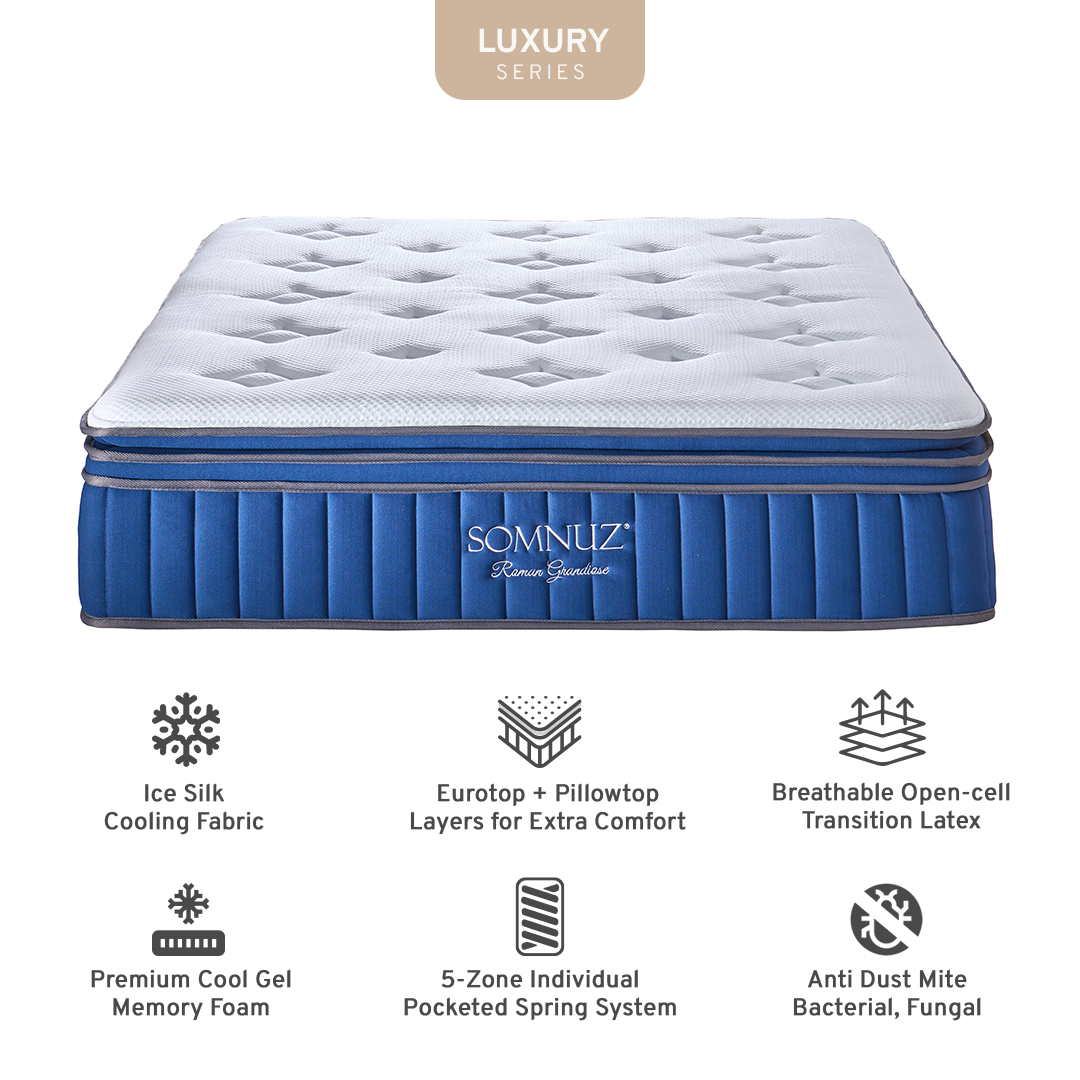
If you are replacing the mattress, choose one that suits your comfort needs and is easy to care for. The Somnuz mattress collection can help you compare supportive options for everyday rest after the pest issue has been properly handled.
For simple guidance on mattress comfort, support, and care, Sleep Well can help you think through your next sleep setup.
When to Replace Your Mattress
Bed bugs are not the only reason to replace a mattress. If your mattress is already sagging, musty, stained, or no longer supportive, this may be a good time to review whether it still belongs in your home.
A fresh mattress can help restore confidence after a stressful pest issue, but it should be chosen after the infestation is properly addressed. Replacing the mattress too early without treating the room can allow bed bugs to spread to the new mattress.
Once your room has been assessed or treated, you can visit a mattress showroom Singapore to compare mattress options and receive honest guidance on comfort, support, and care.
Baking soda may feel like an easy first step, but proper inspection and treatment are far more important.
Frequently Asked Question
Does baking soda on mattress for bed bugs work?
Baking soda is not a reliable way to remove bed bugs. Bed bugs hide in seams, cracks, frames, and furniture, so surface powder alone is unlikely to control an infestation.
Can baking soda kill bed bug eggs?
Baking soda should not be relied on to kill bed bug eggs. Eggs can be hidden in small cracks and protected areas that baking soda may not reach.
What should I do if I find bed bugs on my mattress?
Remove and wash bedding, vacuum seams and surrounding areas, reduce clutter, inspect the bed frame, and contact a licensed pest control professional if signs continue.
Should I throw away my mattress if I have bed bugs?
Not always. Some mattresses can be treated or encased after professional advice. Replace the mattress if it is heavily infested, damaged, old, or if pest control recommends disposal.
Is it safe to spray bed bug chemicals on a mattress?
Only use products clearly labelled for mattress or indoor bed bug use, and follow all instructions exactly. Misusing pesticides can be harmful.
Can I buy a new mattress right away after bed bugs?
Treat or assess the infestation first. Buying a new mattress before the room is properly handled may allow bed bugs to spread to the new mattress.
Restore Comfort After a Bed Bug Concern
Baking soda on mattress for bed bugs is not a dependable solution. Good value comes from handling the infestation properly, keeping the sleep space clean, and choosing a mattress that feels supportive, breathable, and easy to care for after the issue is resolved.
Browse the Somnuz mattress collection when you are ready to compare fresh mattress options for your home. Or visit our showroom for honest guidance on choosing a mattress that supports everyday comfort after proper pest treatment.