

Finding small dark marks, rusty stains, or insects near your bed can feel unsettling, especially when your mattress is part of your everyday comfort. If you are searching for bed bugs foam mattress, you are likely wondering whether foam attracts bed bugs, whether the mattress can be cleaned, or whether it should be replaced.
The reassuring answer is that bed bugs are not only a “foam mattress problem”. They can hide around many sleeping areas, including mattress seams, bed frames, headboards, bedside furniture, and cracks near the bed. Singapore’s National Environment Agency notes that bed bugs prefer places where they can hide and feed regularly, including sleeping areas, mattress pads, spring boxes, night tables, and other small hiding spots.
This guide will help you understand what to look for, what to do first, and when a new mattress may make sense. The goal is not to create worry, but to give you clear steps so you can protect your home, your mattress, and your peace of mind.
Do Bed Bugs Live Inside Foam Mattresses?
Bed bugs do not eat foam, fabric, or mattress filling. They feed on blood and usually hide close to where people sleep. A foam mattress may still become part of an infestation because it has seams, piping, labels, fabric folds, and nearby gaps where bed bugs can settle.
In many cases, the mattress surface is only one part of the issue. The bed frame, headboard, skirting board, bedside table, storage boxes, curtains, and cracks around the room may also need checking. This matters in Singapore homes where bedrooms can be compact, and the bed may sit close to wardrobes, walls, or storage furniture.
Foam mattresses can also be harder to inspect if the cover is quilted, dark, textured, or deeply stitched. Small marks may blend into the fabric, so it helps to check slowly under bright light.
Signs Of Bed Bugs On A Foam Mattress
A careful check can help you decide what to do next. The United States Environmental Protection Agency advises looking for physical signs such as rusty or reddish stains, dark spots, eggs, eggshells, pale yellow shed skins, and live bed bugs. It also notes that bed bugs may hide near mattress piping, seams, tags, bed frames, and headboards.
Look closely for:
- Tiny dark spots that look like ink dots
- Rusty or reddish stains on sheets or the mattress surface
- Small pale eggs or eggshells
- Shed skins near seams or corners
- Live insects around the bed or nearby furniture
- A sweet or musty smell in heavier cases
Bites alone are not enough to confirm bed bugs. The CDC explains that bite marks can look different from person to person and may take days to appear, so other clues are important when checking for an infestation.
What To Do First If You Suspect Bed Bugs
Try not to move the mattress from room to room. This can spread the problem. Instead, contain the area and inspect carefully.
Start by removing bedding and placing it directly into a sealed bag before washing. Check pillowcases, sheets, mattress protectors, bed skirts, and nearby soft items. Vacuum the mattress surface, seams, bed frame, and the floor around the bed. After vacuuming, seal and dispose of the vacuum contents carefully.
The NEA shares that typical bed bug control may include a mix of non-chemical and chemical methods, such as vacuuming, hot laundering, steam and heat treatment, removing hiding places, and insecticide use. It also advises premises with infestations to engage a pest management company.
This is especially important for families, shared rooms, and homes with young children or elderly family members. A professional pest management team can check areas that are easy to miss and advise whether the mattress can be treated safely.
Should You Replace A Foam Mattress With Bed Bugs?
Replacement is not always the first step. If the infestation is small and the mattress is structurally sound, professional treatment and a secure mattress encasement may be enough. Throwing the mattress away too early can be stressful, costly, and sometimes ineffective if bed bugs remain in the bed frame or surrounding room.
Replacement may make more sense when:
- The mattress is old, worn, sagging, or uncomfortable
- The infestation is heavy and difficult to treat
- The mattress has tears, open seams, or damaged fabric
- You no longer feel comfortable sleeping on it
- Pest control advice recommends disposal
- You were already planning to upgrade your mattress
If you do replace it, do so carefully. Do not drag an untreated mattress through the home. Follow pest control advice, wrap or seal the mattress where possible, and arrange responsible disposal so the issue does not move into common areas or other homes.
When choosing a new mattress, look beyond the pest issue. Think about support, firmness, cooling comfort, and how the mattress suits your room and routine. You can view Somnuz’s full mattress range to compare options for different homes, comfort preferences, and sleep needs.
Foam, Spring, Or Hybrid: Which Mattress Makes More Sense After Bed Bugs?
After a bed bug concern, many people start wondering whether foam, spring, or hybrid mattresses are safer. The material alone does not stop bed bugs. What matters more is the mattress condition, fabric design, care routine, room cleanliness, and how quickly you act when signs appear.
A foam mattress can feel cushioned and close-fitting. Some sleepers like this because it gently moulds to the body. However, foam can also feel warmer for some people, depending on the design and cover.
A pocketed spring mattress uses individual springs that move more independently. This can feel more breathable and responsive, and it can help reduce movement across the bed for couples. If you are comparing foam with spring options, Somnuz’s spring mattress buyer’s guide can help you understand the difference in a simple way.
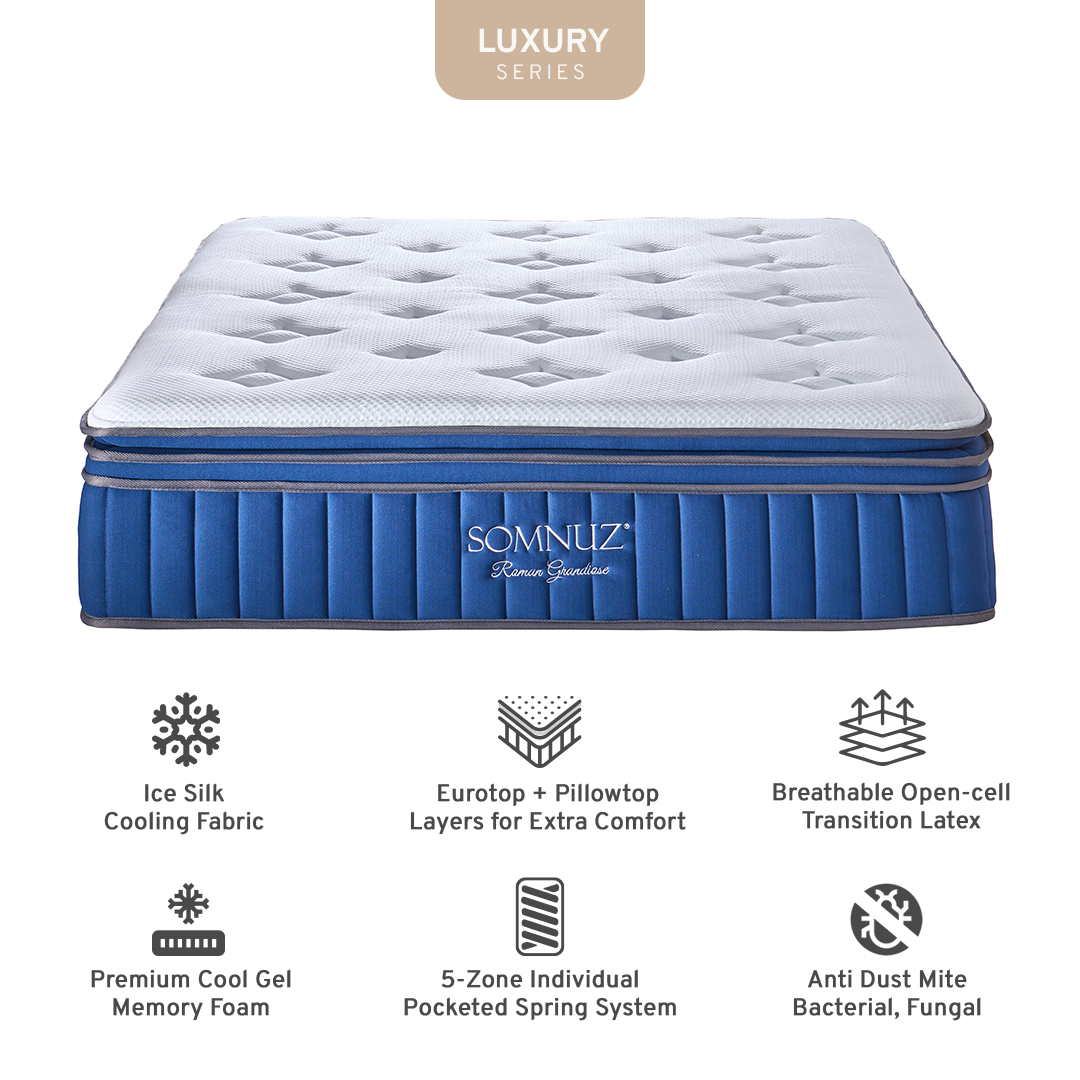
A hybrid mattress combines comfort layers with spring support. This can suit sleepers who want cushioning on top with a steadier support feel underneath. For Singapore’s humid nights, many shoppers also look for breathable materials and airflow-friendly construction.
If you want a clearer way to compare firmness, materials, and support, use Somnuz’s Compare Our Mattress page before deciding.
What To Look For In A New Mattress After An Infestation
A new mattress should help you feel comfortable again, but it should also fit your practical needs. In a Singapore HDB, condo, or landed home, the right choice depends on room size, sleeping style, and whether you share the bed.
Consider these points:
Support That Fits Your Sleeping Style
Choose a mattress that supports the way you naturally sleep. Side sleepers may prefer more cushioning around the shoulders and hips. Back sleepers may prefer a steadier feel. Couples may need a balanced surface that supports two different comfort preferences.
Breathable Comfort For Humid Nights
Singapore bedrooms can feel warm, especially in rooms with less airflow. A mattress with breathable materials can feel more comfortable on humid nights. This does not replace good ventilation, but it can support a cooler sleep surface.
Reduced Partner Disturbance
If you share a bed, movement matters. Pocketed spring and hybrid designs can help reduce the feeling of movement travelling from one side of the mattress to the other. This can be helpful for couples with different sleep schedules.
A Mattress Protector Or Encasement
A protector helps keep the mattress cleaner from everyday spills and moisture. After a bed bug concern, ask your pest control provider whether a bed bug rated encasement is suitable. This is different from a regular protector and should fully seal the mattress.
Clear Local Support
After dealing with a pest issue, confidence matters. Choose a brand that gives clear guidance, delivery information, product care advice, and after-sales support. Somnuz’s Premium Collection and Luxury Collection give shoppers different comfort and support options without making the decision feel overwhelming.
How To Care For Your Mattress After Treatment
Once pest control treatment is complete, keep the bedroom simple and easy to inspect. This is especially useful in compact rooms where under-bed storage, soft furnishings, and bedside clutter can create more hiding places.
A practical care routine may include:
- Washing bedding regularly
- Checking mattress seams when changing sheets
- Keeping the bed area uncluttered
- Vacuuming around the bed frame and skirting boards
- Rotating the mattress if the care instructions allow it
- Using a suitable protector or encasement
- Checking luggage and soft bags after travel
The EPA also advises sealing small hiding places, treating or sealing infested items, using protective covers that seal mattresses and box springs, and vacuuming carefully after use.
For Somnuz mattresses, follow the care guidance provided with the product. If you are unsure, ask the team for advice before using steam, harsh cleaning products, or excessive moisture on the mattress.
Bed Bugs Foam Mattress: Choosing Your Next Step With Confidence
A bed bugs foam mattress concern can feel stressful, but it does not mean you need to rush into replacing everything. Start by confirming the signs, containing the area, washing bedding, and speaking with a pest management professional if you suspect an infestation.
If your mattress can be treated and still feels supportive, replacement may not be necessary. If it is worn, damaged, uncomfortable, or no longer gives you peace of mind, a new mattress can be a practical next step.
When you are ready to compare your options, focus on comfort, support, breathability, and service you can trust. Somnuz helps Singapore shoppers choose with clearer guidance, whether you are replacing a foam mattress, comparing spring and hybrid options, or looking for more breathable comfort for shared sleep.
Shop The Collection
Browse supportive and breathable mattress options from Somnuz, with choices for different comfort preferences, home types, and shared sleeping needs.
Compare Our Mattresses
Use the comparison page to understand firmness, materials, and support features in a simple way before deciding.
Visit The Showroom
For more reassurance, visit our showroom to try the range in person and speak with the Somnuz team about your comfort needs.
Frequently Asked Questions
Can bed bugs live inside a foam mattress?
Yes, bed bugs can hide on or around a foam mattress, especially near seams, tags, piping, and fabric folds. They may also hide in the bed frame, headboard, bedside furniture, or cracks close to the bed.
Does foam attract bed bugs more than other mattress types?
Foam itself does not attract bed bugs. Bed bugs are drawn to places near sleeping areas where they can hide and feed. Mattress type matters less than the availability of small hiding spaces and how quickly the issue is treated.
Should I throw away my foam mattress if I find bed bugs?
Not always. Speak with a pest control professional first. Some mattresses can be treated and sealed with the right encasement. Replacement may make sense if the mattress is old, damaged, heavily infested, or no longer comfortable.
How can I reduce the risk after buying a new mattress?
Keep the bedroom clean, reduce clutter near the bed, use a suitable mattress protector or encasement, wash bedding regularly, and check seams when changing sheets. After travel, inspect luggage and soft bags before placing them near the bed.
What mattress should I choose after a bed bug problem?
Choose based on comfort, support, breathability, and your sleeping style. If you sleep with a partner, motion control may also matter. A showroom visit can help you compare different feels before deciding.