

Choosing the best camping mattress for bad back comfort is not only about finding something soft enough to sleep on. For many Singapore residents, the bigger question is whether a portable mattress can feel steady, supportive, breathable, and practical for the way it will be used.
Camping mattresses are often used for short stays, family sleepovers, glamping trips, outdoor activities, chalet stays, or temporary guest sleeping arrangements. If your back already feels sensitive on unsupportive surfaces, the wrong choice can make the night feel less restful.
A camping mattress should not be treated as a medical solution. It cannot cure back pain or correct posture. But the right design may offer a more even, stable, and comfortable surface for short-term rest. This guide explains what to look for so you can choose with more confidence.
What Makes A Camping Mattress Better For A Bad Back?
A short-term mattress should give your body enough support without making you feel as if you are sleeping directly on the floor. The aim is steady comfort, not extreme softness.
For a bad back, many sleepers prefer a surface that keeps the body more evenly supported. If the mattress sinks too much at the hips or shoulders, the body may feel less balanced. If it is too hard, pressure can build up in areas that need some cushioning.
Look for these practical qualities:
- A stable base that does not collapse under your weight
- Enough thickness to create cushioning from the ground
- A firmness level that feels supportive but not harsh
- A surface wide enough for natural movement
- Materials that do not trap too much heat
- Easy setup, cleaning, and storage
If back discomfort is frequent, severe, or linked to an injury, it is always sensible to speak with a healthcare professional. Mattress choice can support comfort, but it should not replace proper advice.
Choose Support Before Softness
Softness can feel comforting at first, especially when you lie down after a long day. But for many people with a sensitive back, softness alone is not enough.
A very soft camping mattress may allow heavier areas of the body to dip too far. This can make the surface feel uneven. A steadier mattress helps distribute weight more consistently, which may feel more comfortable through the night.
For short-term use, medium-firm often feels like a practical starting point for many adults. It gives some cushioning while still helping the body feel supported. This is especially useful if you sleep on your back or move between your back and side.
Side sleepers may still need some extra cushioning around the shoulders and hips. Back sleepers often prefer a flatter, more stable surface. Stomach sleepers usually need to be careful with anything too soft, as the midsection may sink more than expected.
The key is to avoid choosing only by label. “Firm” can feel different across air mattresses, foam mats, foldable mattresses, and self-inflating designs.
Thickness Matters More Than You May Think
A camping mattress that is too thin may not create enough separation from the floor. This can feel uncomfortable in chalets, tents, or temporary sleeping areas where the ground surface is hard.
For adults, a thicker camping mattress is often more forgiving. It helps reduce the feeling of pressure from the floor and gives the body more cushioning. However, thicker does not always mean better. A thick air mattress that wobbles or dips can still feel unstable.
When comparing thickness, ask yourself:
- Will I feel the floor when I lie on my side?
- Does the mattress stay level when I change position?
- Is the edge stable enough when I sit on it?
- Will it fit the tent, room, or car space?
- Is it easy enough to pack and carry?
For home use, thickness also matters in a different way. A proper bedroom mattress is designed for nightly support, not just occasional rest. If you are comparing long-term mattress comfort after a trip or temporary arrangement, you can browse the Premium Collection for supportive options designed for everyday Singapore homes.
Compare Common Camping Mattress Types
Different camping mattresses feel very different. Understanding the main types makes it easier to choose based on comfort, support, and use case.
Air Camping Mattresses
Air mattresses are popular because they are portable and adjustable. You can add or release air to change the feel. This can be helpful if you are unsure whether you prefer a firmer or softer surface.
The downside is stability. Some air mattresses can feel bouncy or uneven when you move. If the air shifts too much, the body may not feel well supported. Choose one with internal support chambers, a thicker profile, and a surface that does not sag easily.
Foam Camping Mattresses
Foam mats are simple, quiet, and usually more stable than basic air beds. They can be a good choice for people who dislike bounce. The main concern is thickness. A thin foam mat may not offer enough cushioning for adult sleepers with a sensitive back.
High-density foam usually feels steadier than soft, low-density foam. It may also hold its shape better during the night.
Self-Inflating Mattresses
Self-inflating camping mattresses combine foam and air. They often feel more supportive than simple air beds because the foam adds structure. They are usually easier to set up than traditional air mattresses, although they may take up more storage space.
For someone looking for balanced short-term comfort, this can be a strong option to compare.
Foldable Mattresses
Foldable mattresses are useful for home sleepovers, guest rooms, and temporary sleeping spaces. They are less suited to rugged camping but practical for Singapore homes, especially in HDB or condo layouts where storage matters.
If you are considering a foldable or single-size option for home use, a single mattress size guide can help you understand how much space you need before buying.
Think About Singapore’s Humid Nights
Singapore’s warm and humid climate can make portable mattresses feel hotter than expected. This matters when choosing a camping mattress, especially if you are sleeping in a tent, chalet, or non-air-conditioned room.
Materials that trap heat can make the night feel less comfortable. Breathability is not only about cooling technology. It also depends on the cover, airflow, room ventilation, and bedding layers.
For camping or temporary use, consider:
- A breathable cover or fabric surface
- A mattress that does not feel sticky in warm weather
- Lightweight sheets instead of heavy bedding
- Good airflow in the room or tent
- Easy-to-clean materials for humid conditions
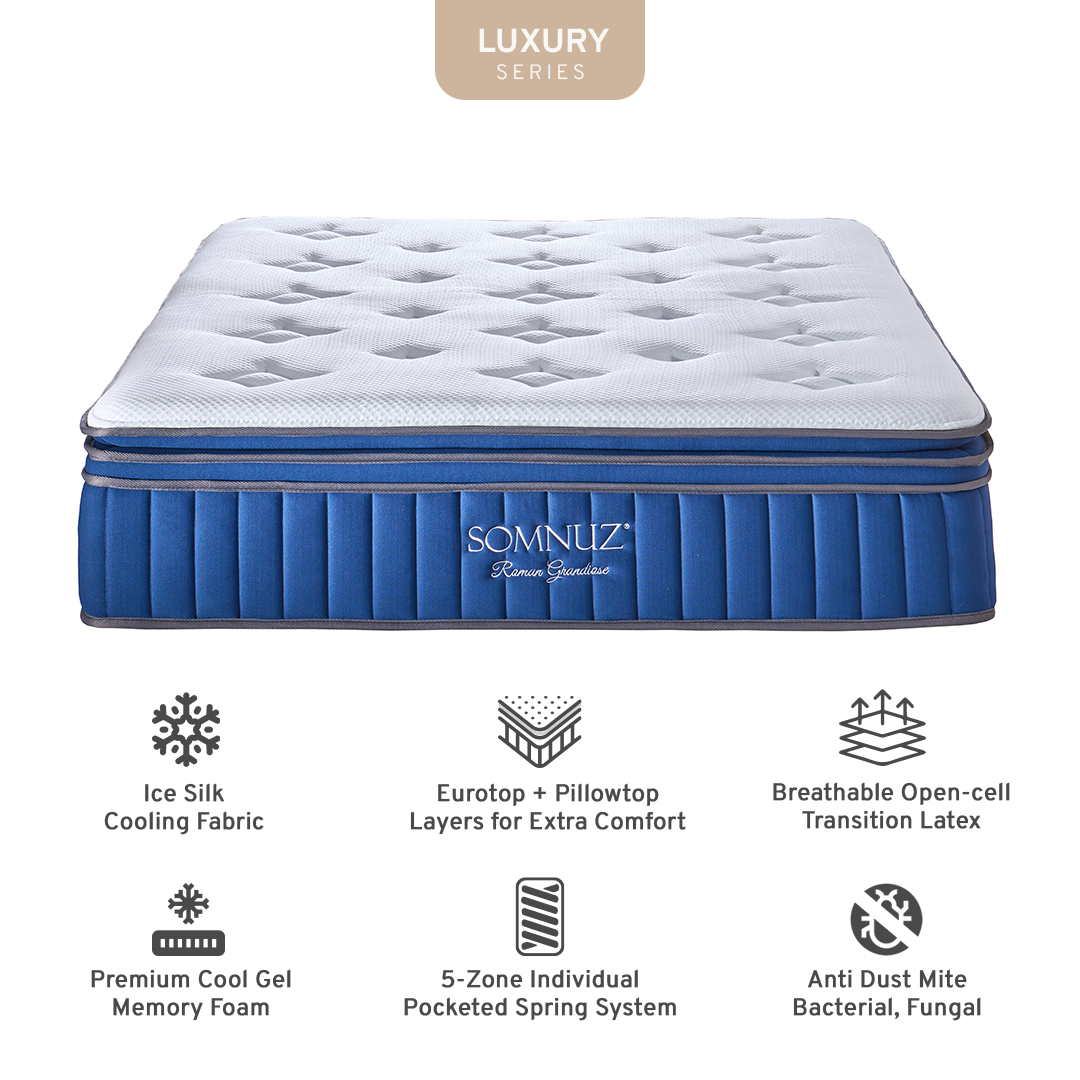
For everyday home rest, breathable materials become even more important. Somnuz designs its mattress range around Singapore living, including humid nights, shared sleep, and the need for dependable support. If you prefer a more elevated home mattress with added comfort layers, the Luxury Collection may be worth comparing.
Consider Movement And Shared Sleeping
If you are sharing a camping mattress, movement can affect comfort more than you expect. A partner turning over, sitting up, or shifting position may cause the whole surface to move.
This is common with many air mattresses. A larger size may help, but construction matters too. A mattress with better internal structure usually feels calmer than one large air chamber.
For couples, reduced partner disturbance can make a big difference. At home, individually pocketed springs are often used because each spring can move more independently. This helps reduce movement from one side of the bed to the other. To understand this better, the spring mattress buyer’s guide explains spring support in simple terms.
For camping, you may not get the same level of motion control as a proper bedroom mattress. Still, it is worth checking reviews, construction details, and whether the surface feels stable when two people lie down.
When A Camping Mattress Is Not Enough
A camping mattress is made for occasional use. It can help with short trips, sleepovers, and temporary setups, but it is not designed to replace a proper bed for long-term rest.
If you often wake up feeling unsupported at home, the issue may not be your camping mattress. It may be your everyday mattress, especially if it has sagging areas, feels uneven, or no longer suits your body and sleep style.
This is where a proper comparison can help. Instead of guessing based on firmness labels, compare materials, comfort feel, thickness, cooling, and support needs. You can use Compare Our Mattress to understand how different Somnuz options suit different preferences.
A camping mattress should support short-term comfort. Your home mattress should support nightly comfort.
Best Camping Mattress For Bad Back Comfort In Singapore: Final Buying Tips
The best camping mattress for bad back comfort is usually one that feels steady, supportive, breathable, and practical for the way you sleep. It should give enough cushioning from the floor without allowing your body to sink too deeply.
Before buying, test or check these points carefully:
- Choose support before softness
- Avoid very thin mats if you are sensitive to hard surfaces
- Look for stable construction, not just extra thickness
- Consider breathable materials for Singapore’s humidity
- Choose a size that allows natural movement
- Think about whether you will use it alone or with a partner
- Keep camping mattresses for short-term use only
If you are also rethinking your everyday mattress at home, try the range in person before making a decision. A visit to a mattress showroom Singapore can help you compare firmness, comfort, and support with clearer guidance.
Find Support That Fits Your Rest
A camping mattress can help with short-term comfort, but your everyday mattress matters more for regular rest at home. If your current bed no longer feels steady, supportive, or comfortable, it may be time to compare your options more carefully.
Browse Somnuz mattresses online to understand the differences in support, cooling, and comfort feel. Or visit our showroom for calm, practical guidance from a team that can help you choose with more confidence.
Frequently Asked Questions
Is a firm camping mattress better for a bad back?
A firmer camping mattress may feel better for some sleepers because it gives a steadier surface. However, very firm surfaces can feel harsh for side sleepers. A medium-firm feel is often a practical starting point, but comfort depends on body weight, sleep position, and personal preference.
Can a camping mattress help with back pain?
A camping mattress cannot cure back pain or guarantee relief. It may help you feel more comfortable during short-term rest if it offers stable support and enough cushioning. If back pain is persistent or severe, speak with a healthcare professional.
Is an air mattress good for someone with a bad back?
An air mattress can work for short-term use if it stays stable and does not sag. Choose one with stronger internal support and enough thickness. Avoid underinflating it, as this can make the surface feel uneven.
What thickness should I choose for a camping mattress?
Adults usually benefit from a camping mattress that is thick enough to stop the body from feeling the floor. Thickness is useful, but stability matters too. A thick mattress that dips or wobbles may still feel uncomfortable.
What is the best camping mattress type for humid Singapore nights?
A breathable foam or self-inflating mattress may feel more comfortable than materials that trap heat. Use light bedding, allow airflow, and choose covers that are easier to clean in humid conditions.
Should I replace my home mattress if camping makes my back feel worse?
Not always. Camping surfaces are temporary and often less supportive than a proper bed. But if your home mattress also feels uneven, saggy, or uncomfortable, it may be worth comparing mattress options for everyday support.