

Choosing the best hiking mattress is not only about finding something light enough to carry. It is about understanding what your body needs when rest conditions are not ideal.
On the trail, every detail matters. Thickness, support, insulation, packability, surface feel, and durability can affect how well you rest after a long day outdoors. A hiking mattress has to work within a small space, under changing temperatures, and often on uneven ground.
That same thinking can help Singapore homeowners make better mattress decisions at home. Your bedroom may be more comfortable than a campsite, but the questions are similar. Does the mattress support you well? Does it feel breathable in humid weather? Does it reduce disturbance when you share the bed? Does it suit your space and routine?
This guide explains what to look for in a hiking mattress, then connects those lessons to choosing a supportive home mattress with more confidence.
What Makes The Best Hiking Mattress Worth Considering
A hiking mattress is made for outdoor rest. It is usually thinner, lighter, and easier to pack than a standard bedroom mattress. Some are inflatable. Others use foam or self-inflating construction.
The best hiking mattress for one person may not be right for another. A lightweight solo hiker may prioritise pack size. A camper who drives to the site may care more about cushioning. Someone who sleeps on their side may need more comfort than someone who sleeps on their back.
When comparing hiking mattresses, look at:
- Weight and pack size
- Thickness and cushioning
- Support on uneven ground
- Warmth or insulation
- Ease of inflation and packing
- Surface noise when moving
- Durability against rough use
These details help you choose more calmly. Instead of buying based on one attractive feature, you are checking whether the mattress fits your real sleeping conditions.
Comfort Is More Than Thickness
Many shoppers assume a thicker hiking mattress is automatically better. Sometimes it is more comfortable, but thickness alone does not tell the full story.
A mattress can be thick yet unstable if it feels too bouncy or lets the body dip unevenly. It can also be thin but practical if it distributes pressure well and keeps you steady enough for short-term outdoor use.
For home mattresses, the same idea applies. A mattress should not be judged only by height or softness. What matters is how the layers work together. The right feel should support your body while still giving enough comfort for your preferred sleeping position.
This is why it helps to compare comfort types before buying. If you are moving from occasional camping comfort to everyday bedroom comfort, browse the Somnuz mattress range to see how different constructions support different sleep needs in Singapore homes.
Support Matters After A Long Day Outdoors
After hiking, your body may feel tired from walking, climbing, carrying a pack, or standing for long hours. A hiking mattress cannot replace a full bedroom mattress, but it should still give enough support to help you rest more comfortably overnight.
Support simply means the mattress helps keep your body from sinking too unevenly. For outdoor use, this can be difficult because the ground may be hard or uneven. A good hiking mattress creates a more stable layer between you and the surface below.
At home, support matters even more because your mattress is used every night. Some sleepers prefer a firmer feel. Others need more cushioning. Couples may need a mattress that feels steady while also reducing movement across the bed.
If you are comparing options for your main bedroom, use the compare our mattresses page to look at comfort feel, materials, and support features side by side.
Breathability Is Important In Singapore
Outdoor sleepers often think about temperature. A hiking mattress should help insulate the body from cold ground, especially in cooler places. In Singapore, the concern is usually different. Heat and humidity are more common than cold nights.
That makes breathability important, both outdoors and at home. A mattress that traps too much warmth can feel less comfortable through the night, especially in rooms without strong air-conditioning.
For a hiking mattress, breathability may come from the surface fabric and how the sleeper manages bedding. For a home mattress, breathable covers, responsive materials, and construction that allows airflow can all help the sleep surface feel more comfortable in humid weather.
Pocketed spring mattresses are often worth considering for Singapore homes because the spring core allows more air movement than dense all-foam construction. If you want to understand this more clearly, read the spring mattress buyer’s guide for a simple explanation of how spring systems affect comfort, airflow, and support.
Shared Sleep Needs Are Different From Solo Camping
Many hiking mattresses are designed for one person. They do not need to handle partner movement, different body weights, or two comfort preferences on the same surface.
A home mattress has a different job. Couples often need a mattress that helps reduce partner disturbance. If one person turns, gets out of bed earlier, or shifts position often, the other person may feel the movement.
This is where mattress construction matters. Individually pocketed springs can move more independently across the mattress. In simple terms, movement on one side is less likely to travel strongly to the other side. Layered comfort materials can also help create a calmer shared sleep surface.
For Singapore couples in HDBs, condos, or landed homes, this can make the bedroom feel more restful without needing separate beds. The goal is not to remove all movement completely. It is to create a more stable and comfortable shared surface.
From Camping Gear To Everyday Bedroom Comfort
The best hiking mattress is designed for temporary outdoor use. It should be light, practical, and easy to carry. A bedroom mattress has a bigger responsibility. It needs to support your nightly routine, suit your room, and feel comfortable across many years of use.
This is why you should not choose a home mattress as if it were camping gear. A home mattress does not need to fold into a backpack. It needs to offer dependable comfort, breathable materials, steady support, and a feel that suits the person or people sleeping on it.
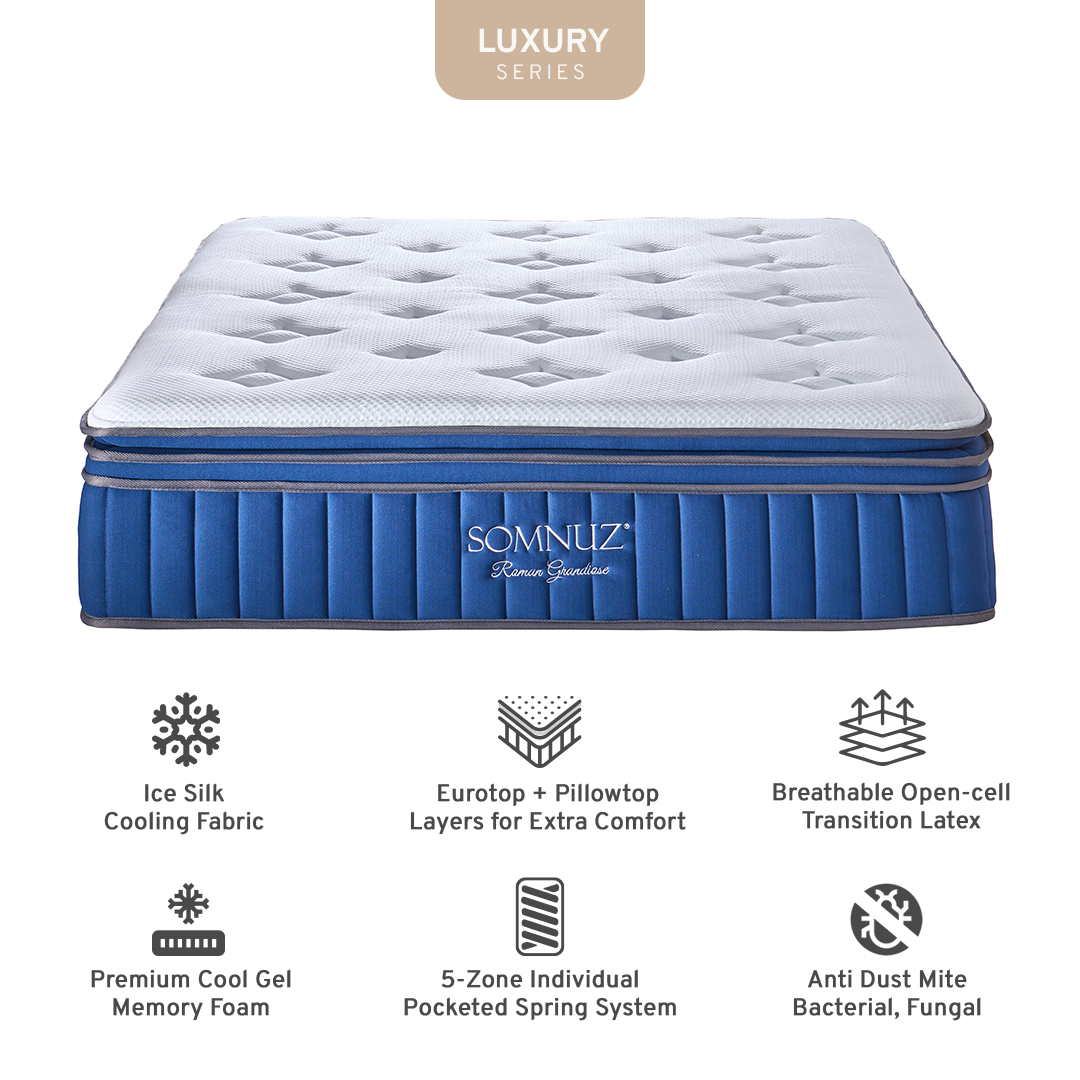
If you are upgrading a main bedroom or guest room, the Premium Collection offers a practical starting point for supportive comfort. For households looking for a more elevated feel, the Luxury Collection may suit those who want richer comfort layers and a more refined bedroom experience.
The right choice depends on your sleep style, firmness preference, room size, and whether the mattress is for one person, a couple, or a family member.
Best Hiking Mattress Takeaways For Singapore Sleepers
The search for the best hiking mattress teaches a useful lesson. Better rest starts with choosing for real conditions, not just attractive product claims.
For hiking, that means thinking about weight, packability, ground support, insulation, and durability. For home, it means thinking about breathable comfort, firmness, motion control, room fit, and dependable support before and after purchase.
Singapore homes add their own practical needs. Humid nights can make breathability more important. Shared rooms and compact layouts can affect mattress size. Couples may need better motion control. Families may want clearer guidance before buying for different bedrooms.
A hiking mattress helps you rest temporarily outdoors. A home mattress should help you feel properly supported in everyday life. When you understand the difference, it becomes easier to choose with confidence.
Find Your Fit With Calm, Practical Guidance
A good hiking mattress is chosen for the trail. A good home mattress is chosen for your everyday rest, your bedroom, and the way you actually sleep. If you are comparing options for your Singapore home, Somnuz can help you look beyond surface-level features and understand what comfort, support, cooling, and motion control mean in daily life.
You can compare the range online, then visit our showroom for in-person guidance. Try the range, ask questions, and choose with more peace of mind before bringing a new mattress home.
Frequently Asked Questions
What is the best hiking mattress for comfort?
The best hiking mattress for comfort depends on how you sleep and how much weight you are willing to carry. Side sleepers may prefer more cushioning, while back sleepers may be comfortable on a slimmer pad. Look for steady support, enough thickness, and a surface that does not feel too noisy when you move.
Is a hiking mattress suitable for everyday home use?
A hiking mattress is usually not ideal for everyday home use. It is designed for short-term outdoor rest, not nightly bedroom comfort. For daily sleep, a proper home mattress offers better support, durability, breathability, and comfort for long-term use.
What can hiking mattresses teach us about choosing a home mattress?
They remind us to choose based on real sleeping conditions. Outdoors, you think about ground feel, warmth, and packability. At home, you should think about support, cooling, firmness, partner movement, room fit, and after-sales support.
Why is breathability important for Singapore mattresses?
Singapore’s warm and humid climate can make heat build-up feel more noticeable at night. A breathable mattress can help the sleep surface feel more comfortable, especially for warm sleepers or rooms with limited air-conditioning.
Should couples choose a mattress with motion control?
Couples may find motion control helpful if one person moves often or wakes earlier. A mattress with individually pocketed springs or layered comfort materials can help reduce movement across the bed, making shared sleep feel calmer.
Should I try a mattress in person before buying?
Trying a mattress in person can be helpful, especially if you are unsure about firmness, support, or comfort feel. A showroom visit lets you compare options more confidently and ask for guidance based on your sleep preferences.