

Choosing the best mattress for back and neck pain can feel confusing, especially when every option seems to promise better support.
A mattress can make a meaningful difference to how comfortable and supported you feel at night. But it should not be treated as a medical solution. Back and neck discomfort can have many causes, from posture and daily movement to pillow height, sleep position, stress, or an ageing mattress.
That is why the better question is not simply, “Which mattress is best?” It is, “Which mattress gives my body the right balance of support, comfort, and ease of movement?”
For Singapore sleepers, there is another layer to consider. Warm and humid nights can affect how a mattress feels. A bed that traps heat or lets the body sink too deeply may feel less restful over time.
This guide will help you compare your options calmly, understand what features matter, and choose with more confidence.
Why Back And Neck Pain Mattress Searches Need Careful Guidance
When pain is part of the search, mattress advice should stay practical and responsible.
The best mattress for back and neck pain is not the same for everyone. A mattress that feels supportive for one person may feel too firm, too soft, or too warm for another.
Several factors can affect your comfort:
- Your usual sleep position
- Your body weight and build
- Your pillow height
- Your mattress firmness preference
- How warm you sleep
- Whether your current mattress is sagging
- Whether you share your bed with a partner
If your pain is persistent, severe, or affecting daily life, it is best to speak with a qualified healthcare professional. A mattress may support more comfortable rest, but it should not replace proper medical advice.
What To Look For In A Mattress For Back And Neck Comfort
A supportive mattress should feel steady, comfortable, and suitable for the way you sleep.
Balanced Support
Balanced support means the mattress helps your body feel evenly held, without letting heavier areas sink too far.
For some sleepers, this can make the bed feel more stable. It may also make it easier to settle into a comfortable position and turn during the night.
Balanced support does not always mean the firmest mattress. It means the surface and inner layers work together so the mattress feels steady, not harsh.
Pressure Comfort
Back and neck comfort is not only about firmness. The shoulders, hips, and upper back also need cushioning.
If a mattress feels too hard, some sleepers may notice pressure around these areas. If it feels too soft, the body may sink too deeply and feel less supported.
A good mattress should offer comfort without feeling unstable.
Stable Surface Feel
A sagging mattress can make sleep feel uneven. You may notice that you roll towards the centre, wake up feeling unsupported, or need to change position often.
A stable surface can feel especially helpful for people who want a steadier bed. This is why it helps to compare different firmness levels and mattress constructions before deciding.
Breathable Materials
Singapore’s climate matters. A mattress that feels warm or stuffy can make it harder to rest comfortably.
Breathable covers, responsive comfort layers, and airflow through the mattress can help the sleep surface feel fresher. If heat is a concern, a cooling mattress Singapore guide can help you understand what to compare.
Is A Firm Or Medium-Firm Mattress Better?
Many people assume that a very firm mattress is always better for back and neck pain. That is not always the case.
A mattress that is too firm may feel unforgiving around the shoulders, hips, and upper back. This can be uncomfortable, especially for side sleepers.
A mattress that is too soft may allow too much sink. This can make the body feel less steady and may cause some sleepers to feel unsupported.
For many adults, a medium-firm mattress can be a sensible starting point. It offers a balance between surface comfort and underlying support. However, personal comfort still matters.
A firmer feel may suit some back or stomach sleepers. A slightly more cushioned surface may suit some side sleepers. The right choice depends on how your body feels when lying down in your usual sleep position.
If you are comparing firmness levels, Somnuz’s firm mattress Singapore guide can help you understand stronger support in a more practical way.
How Sleep Position Changes The Right Mattress Feel
Your sleep position affects how much support and cushioning you need.
Back Sleepers
Back sleepers often prefer a mattress that gives steady support across the lower back and shoulders.
A mattress that is too soft may let the hips sink too much. A mattress that is too hard may feel flat and uncomfortable. Balanced support is usually the priority.
Side Sleepers
Side sleepers usually place more pressure on the shoulders and hips.
This means they may need enough cushioning to feel comfortable, while still getting support through the waist and lower back. A mattress that is too firm may feel sharp around pressure points.
Stomach Sleepers
Stomach sleepers often prefer a steadier surface because too much sink can feel uncomfortable.
This does not mean the mattress needs to feel hard. It should feel stable enough to support the body without creating a strained or dipped feeling.
Combination Sleepers
Combination sleepers move between positions. For them, ease of movement matters.
A mattress that responds quickly can make turning feel easier. This may be useful if you wake up often when shifting position.
Do Mattress Materials Matter For Back And Neck Support?
Materials affect how a mattress feels, responds, and handles warmth.
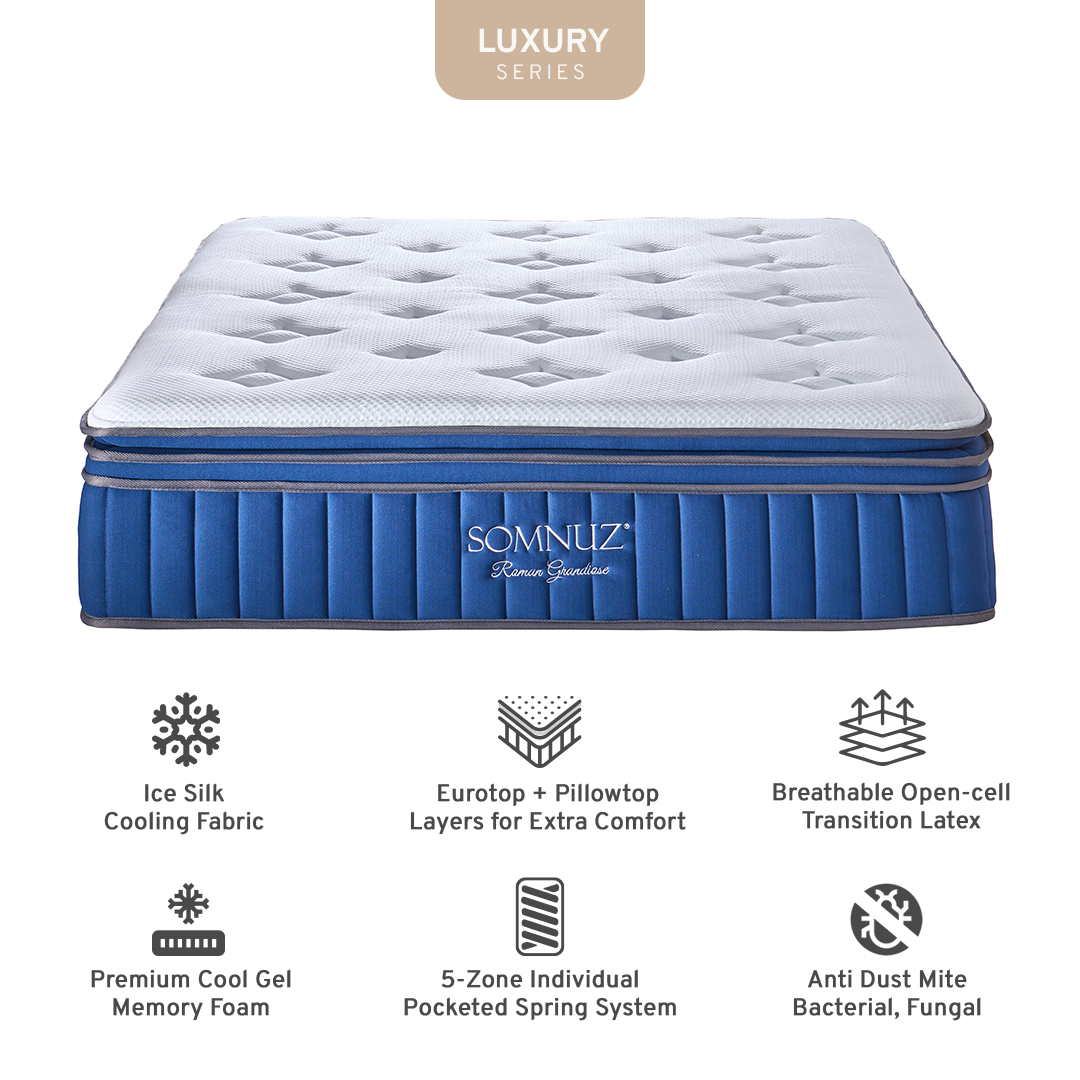
Memory foam is known for its closer contouring feel. It can cushion pressure points and absorb movement well, which may suit couples or sleepers who like a more body-hugging surface. You can learn more about how foam layers affect support in Somnuz’s memory foam mattress Singapore guide.
Latex has a more responsive and buoyant feel. It usually allows easier movement and can feel less heat-trapping than some dense foams. For hot sleepers or people who dislike a deep-sinking feel, a latex mattress Singapore guide may be helpful.
Pocketed springs move more independently across the mattress. This can help with stability, airflow, and reduced partner disturbance.
Hybrid mattresses combine support layers with comfort layers. These can be useful for sleepers who want a mix of cushioning, airflow, and steadier support.
The material name alone does not decide whether a mattress is right. The full design, firmness, comfort layers, and your own sleep style all matter.
How To Choose With More Confidence In Singapore
For Singapore homes, comfort is both personal and practical.
If you live in an HDB or condo, consider the mattress size, bed height, room layout, and how much space you need around the bed. A mattress that feels good in theory should still fit your bedroom comfortably.
If you share a bed, look at motion control. A mattress that reduces movement from one side to the other can feel more settled for couples.
If you sleep warm, compare materials and airflow. A breathable design may feel more comfortable during humid nights, especially if you use air-conditioning only part of the night.
Before deciding, it can help to compare our mattresses side by side. Look at firmness, materials, thickness, cooling features, and the type of support each mattress is designed to offer.
Then, try the mattress in person where possible. Lie down in your usual sleep position. Notice how your shoulders, hips, lower back, and neck feel. Turn from side to back. Check whether the surface feels steady without feeling harsh.
Best Mattress For Back And Neck Pain: Choose Support That Fits You
The best mattress for back and neck pain is not about choosing the hardest bed or the most technical design.
It is about finding a mattress that feels supportive, comfortable, breathable, and suitable for your sleep habits.
A good choice should help you feel more settled at night. It should support your preferred sleeping position, fit your room, and suit Singapore’s climate. It should also come with clear guidance, so you do not feel left to guess.
Frequently Asked Questions
What type of mattress is best for back and neck pain?
The best choice depends on your sleep position, body type, firmness preference, pillow height, and current mattress condition. Many sleepers prefer a medium-firm or supportive mattress, but comfort should be tested personally.
Is a firm mattress always better for back and neck pain?
Not always. A very firm mattress may feel too hard around the shoulders, hips, or upper back. A balanced mattress that offers both comfort and support is often a more practical place to start.
Can a soft mattress cause more discomfort?
A very soft mattress may feel cosy at first, but it can let some sleepers sink too deeply. This may feel less stable through the night. However, the right firmness still depends on the person.
Does pillow height affect neck comfort?
Yes. A pillow that is too high or too flat can affect how the neck feels during sleep. Mattress choice and pillow support should work together.
Is memory foam or latex better for back and neck support?
Neither is automatically better for everyone. Memory foam offers closer contouring and strong motion absorption, while latex feels more responsive and breathable. The right choice depends on your comfort preference.
When should I replace my mattress if I wake up sore?
Consider replacing your mattress if it sags, feels uneven, traps heat, or no longer supports you comfortably. If soreness is persistent, speak with a qualified healthcare professional.