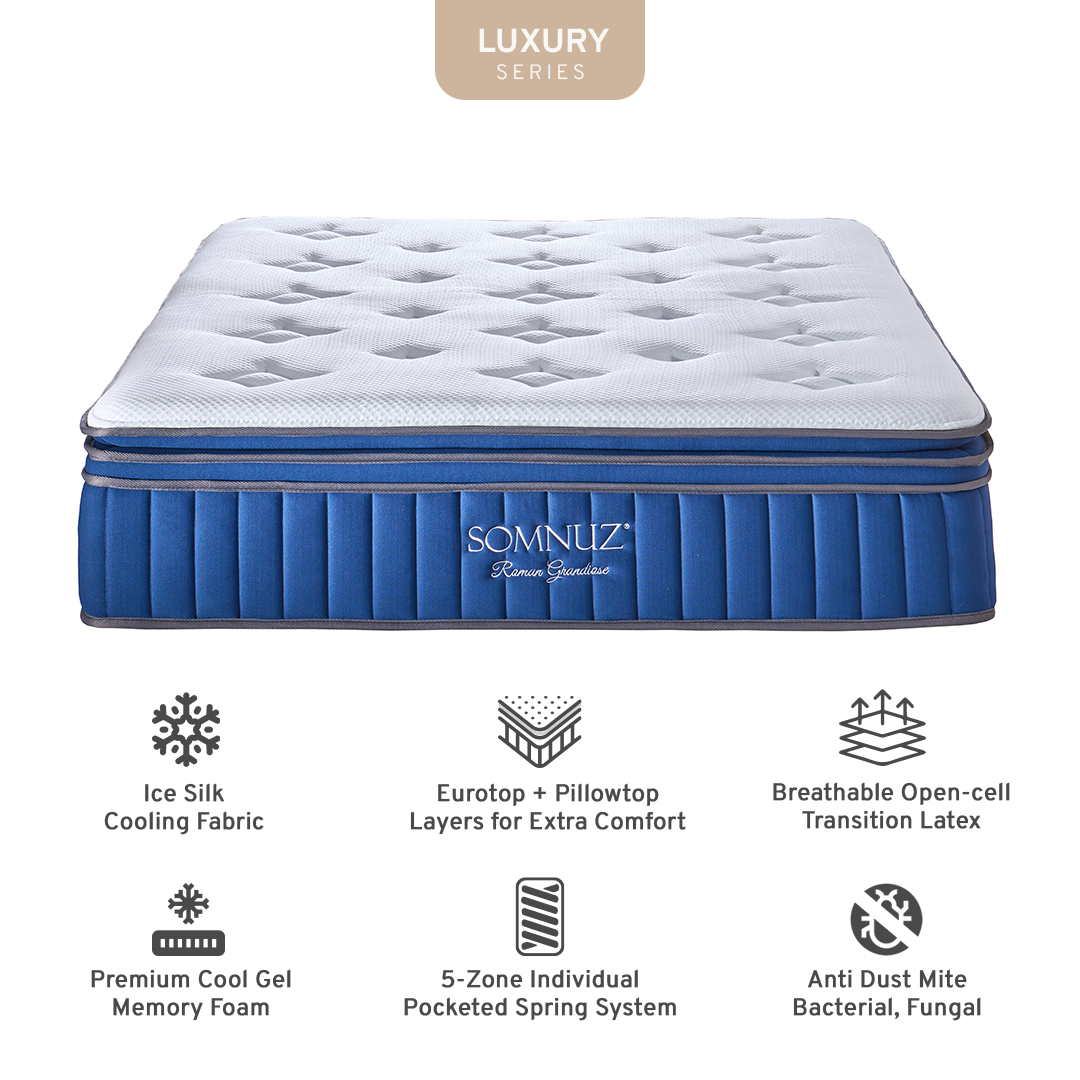


Choosing the best mattress for children is an important decision for many parents.
A child’s mattress should feel comfortable, supportive, and practical for everyday use. It should suit your child’s age, size, sleep habits, and bedroom layout. It should also make sense for the way Singapore families live, especially in HDB and condo bedrooms where space is often shared with storage, study areas, and play zones.
For parents, the challenge is knowing what matters most. Should you choose a single or super single? Is a softer mattress better? Do children need a cooling mattress? Should you buy for now, or plan for the next few years?
This guide will help you compare the key points calmly, so you can choose a children’s mattress with more confidence.
What Makes The Best Mattress For Children?
The best mattress for children is not always the thickest, softest, or most expensive option.
A good children’s mattress should feel suitable for your child’s daily sleep needs. It should give steady support, feel comfortable through the night, and fit the room properly.
Parents may want to look for:
- Balanced support
- A comfortable surface feel
- Breathable materials
- Practical sizing
- Everyday durability
- A bed height that feels manageable
- Clear guidance before buying
Children move, grow, read, rest, and sometimes play on their beds. A mattress should be able to support daily family routines without feeling flimsy or overly soft too soon.
For a child-focused starting point, Somnuz’s kids mattress Singapore guide can help parents compare size and support more clearly.
Why Support Matters For Growing Sleepers
Children need comfort, but support matters too.
A mattress that feels too soft may seem cosy at first. Over time, it may feel less stable, especially for children who move often in their sleep.
A supportive mattress gives the body a steadier surface. It should not feel harsh or rigid, but it should not allow the child to sink too deeply either.
Avoid Overly Soft Surfaces
Very soft mattresses can make movement feel harder. For younger children, a bed that feels too deep or unstable may not be the most practical choice.
Balanced comfort is often a safer starting point than choosing the plushest option.
Look For A Stable, Comfortable Feel
A good mattress for children should feel steady when they lie down and easy to move on when they turn.
Parents can test this by gently pressing the surface, sitting near the edge, and letting the child lie down in their normal sleep position.
Match Support To Your Child’s Age And Size
A younger child may not need a very thick or highly cushioned mattress. Older children may appreciate more room, more support, or a mattress that can last further into their school years.
The right choice should fit your child now while still feeling practical for the near future.
Choosing The Right Mattress Size For Your Child
Size is one of the biggest decisions for parents.
In Singapore homes, the mattress should fit the child and the room. A bigger mattress can give more comfort, but it should not make the bedroom feel cramped.
Single Mattress
A single mattress is often a practical choice for younger children or smaller bedrooms.
It gives one child enough sleeping space while leaving more floor area for toys, books, wardrobes, and desks. This can be especially useful in HDB or condo rooms where every bit of space matters.
Parents moving a child from a toddler bed may also find a single mattress less overwhelming.
You can review Somnuz’s single mattress Singapore guide if you are planning a compact bedroom setup.
Super Single Mattress
A super single gives more width and more growing room.
This can be helpful if your child moves a lot during sleep, if you want the mattress to last longer, or if you often sit beside your child during bedtime.
Before choosing, check the full room layout. Make sure there is still space to walk, open wardrobe doors, place a study desk, and keep the room calm.
Somnuz’s super single mattress size Singapore guide can help you compare this option.
Plan The Room, Not Just The Bed
It helps to measure more than the mattress area. Consider:
- Walking space beside the bed
- Wardrobe and drawer clearance
- Bed frame height
- Room for a desk or storage
- Delivery access
- Whether the child may share the room later
For wider planning, use the mattress size Singapore guide before deciding.
Mattress Materials Parents May Want To Compare
Mattress materials affect comfort, support, breathability, and movement.
Foam
Foam mattresses can feel cushioned and quiet. Some children may like the softer, more settled surface.
However, parents should check breathability and support. A foam mattress that feels too warm or too soft may not suit every child.
Pocketed Spring
Pocketed spring mattresses use springs that move more independently.
This can create a responsive feel and may allow more airflow through the mattress core. It can also feel easier to move on compared with some deeper-sinking foam options.
Latex
Latex tends to feel buoyant and responsive.
It can suit children who move often or who dislike a heavy, sinking feel. Latex is also often considered for its breathable feel, which can be useful in Singapore’s humid weather.
Hybrid
Hybrid mattresses combine comfort layers with a supportive base.
This can offer a balanced mix of cushioning, support, airflow, and stability. For families who want a mattress that feels comfortable but not overly soft, a hybrid may be worth comparing.
To make comparison easier, parents can compare our mattresses online before visiting in person.
Cooling And Hygiene Considerations In Singapore
Singapore’s warm and humid climate can affect children’s sleep comfort.
Some children sleep warm, especially if they use thicker bedding, share a room, or sleep in a bedroom where air-conditioning is used only for part of the night.
A breathable mattress can help the bed feel fresher. Look for materials and covers that allow airflow and do not feel overly heat-trapping.
Parents may also want to use a mattress protector. It can help with spills, toilet-training accidents, and everyday freshness without changing the mattress itself.
Good mattress care also matters. Keep the room ventilated when possible. Use suitable bedding. Follow the manufacturer’s care instructions. Avoid placing the mattress directly on damp floors or poorly ventilated surfaces.
If your child has allergies, eczema, breathing concerns, or other health-related needs, speak with a qualified healthcare professional for personalised guidance. A mattress can support comfort, but it should not be treated as a medical treatment.
For climate-related mattress guidance, Somnuz’s cooling mattress Singapore page explains how breathability, support, and airflow can affect comfort on humid nights.
How To Choose With More Confidence Before Buying
Choosing a children’s mattress is easier when you compare calmly.
Start with your child’s age, height, sleep habits, and room size. Then think about how long you want the mattress to last.
A younger child in a compact room may do well with a single mattress. A growing child with more room may benefit from a super single.
Next, compare comfort. The mattress should not feel too soft, too warm, or too hard. Let your child lie down if possible. Check whether the surface feels comfortable and easy to move on.
Parents should also consider service and support. Local delivery, clear guidance, and after-sales help can make the purchase feel more reassuring.
If you want to test the mattress before deciding, you can visit the showroom. In-person comparison helps parents check firmness, mattress height, edge feel, and overall comfort with more confidence.
Best Mattress For Children In Singapore: Choose Comfort That Grows With Them
The best mattress for children should support real family life.
It should be comfortable enough for daily rest, steady enough for growing sleepers, breathable enough for Singapore nights, and practical enough for the room.
There is no single mattress that suits every child. Some families will choose a single mattress for space-saving practicality. Others may choose a super single for more growing room. Some children may prefer a more cushioned feel, while others may sleep better on a steadier surface.
A thoughtful choice gives parents peace of mind. It helps your child rest comfortably now, while keeping the bedroom practical for the years ahead.
Frequently Asked Questions
What is the best mattress for children?
The best mattress for children is one that feels supportive, comfortable, breathable, and suitable for the child’s age, size, and room. It should not feel overly soft or unstable.
Is a soft mattress good for children?
A soft mattress may feel cosy, but very soft surfaces are not always practical. Many children benefit from balanced support that feels comfortable but still steady.
Should I choose a single or super single mattress for my child?
A single mattress is practical for smaller rooms and younger children. A super single offers more growing room and may suit older children or children who move a lot during sleep.
What mattress material is best for children in Singapore?
There is no single best material for every child. Foam, pocketed spring, latex, and hybrid mattresses can all work depending on support, breathability, comfort, and room needs.
How often should a child’s mattress be changed?
It depends on the mattress quality, usage, and condition. Consider changing it if it sags, feels uneven, traps heat, or no longer supports your child comfortably.
Should children try a mattress before buying?
Trying the mattress can help, especially for older children. It lets parents and children compare comfort, height, support, and movement before choosing.