

Choosing a mattress for two people often feels harder than choosing one for yourself. One partner may sleep lightly. One may turn often. One may prefer a steadier feel, while the other wants more cushioning.
For many couples, the real goal is not only comfort. It is calmer shared sleep with less partner disturbance, better support, and more confidence in the choice. Somnuz’s brand direction also puts that focus on supportive comfort, breathable sleep for humid nights, clear guidance, and dependable support before and after purchase.
Singaporean couples also tend to shop with practical concerns in mind. Warm nights, shared sleeping spaces, HDB and condo bedroom layouts, and the need to compare comfort in person can all shape the final decision.
Somnuz’s guidance stresses simple explanations, local relevance, and a buying experience that feels easier to trust, not overly technical or sales-led.
Why Motion Transfer Matters for Shared Sleep
Motion transfer is the movement you feel when the other person shifts, turns, gets out of bed, or sits on the edge of the mattress. Some couples barely notice it. Others feel every small movement across the surface.
Light sleepers often notice this first. Sleep can feel broken when one partner comes to bed later, wakes up earlier, or moves more through the night. Couples with different work hours, different sleep habits, or different body weights may feel this even more.
For shared sleep, lower motion transfer can make the whole bed feel calmer. This matters because couples are not only shopping for softness or firmness. They are trying to create a sleep setup that feels steady enough for two people to rest more comfortably side by side.
What a Zero Motion Transfer Mattress Really Means
“Zero motion transfer mattress” is a useful search term, but it helps to keep the meaning practical. No mattress removes every bit of movement in real life. The more useful goal is a mattress that helps reduce how much movement travels from one side of the bed to the other.
Somnuz’s writing rules support this kind of plain explanation. Mattress features should be named simply, translated into everyday benefits, and tied to a real sleep need, especially for couples and shared sleep.
Comfort Layers That Absorb Movement
Softer comfort layers can help absorb some surface movement before it spreads across the bed. Foam and plush top layers often play a role here because they cushion pressure and soften the feel of motion.
Good motion control, though, should still feel balanced. Too much sink can make the mattress feel unstable, especially when two people have different body weights or sleep positions. Couples usually do better with comfort that feels cushioned but still steady underneath.
Pocket Spring Construction and Why it Helps
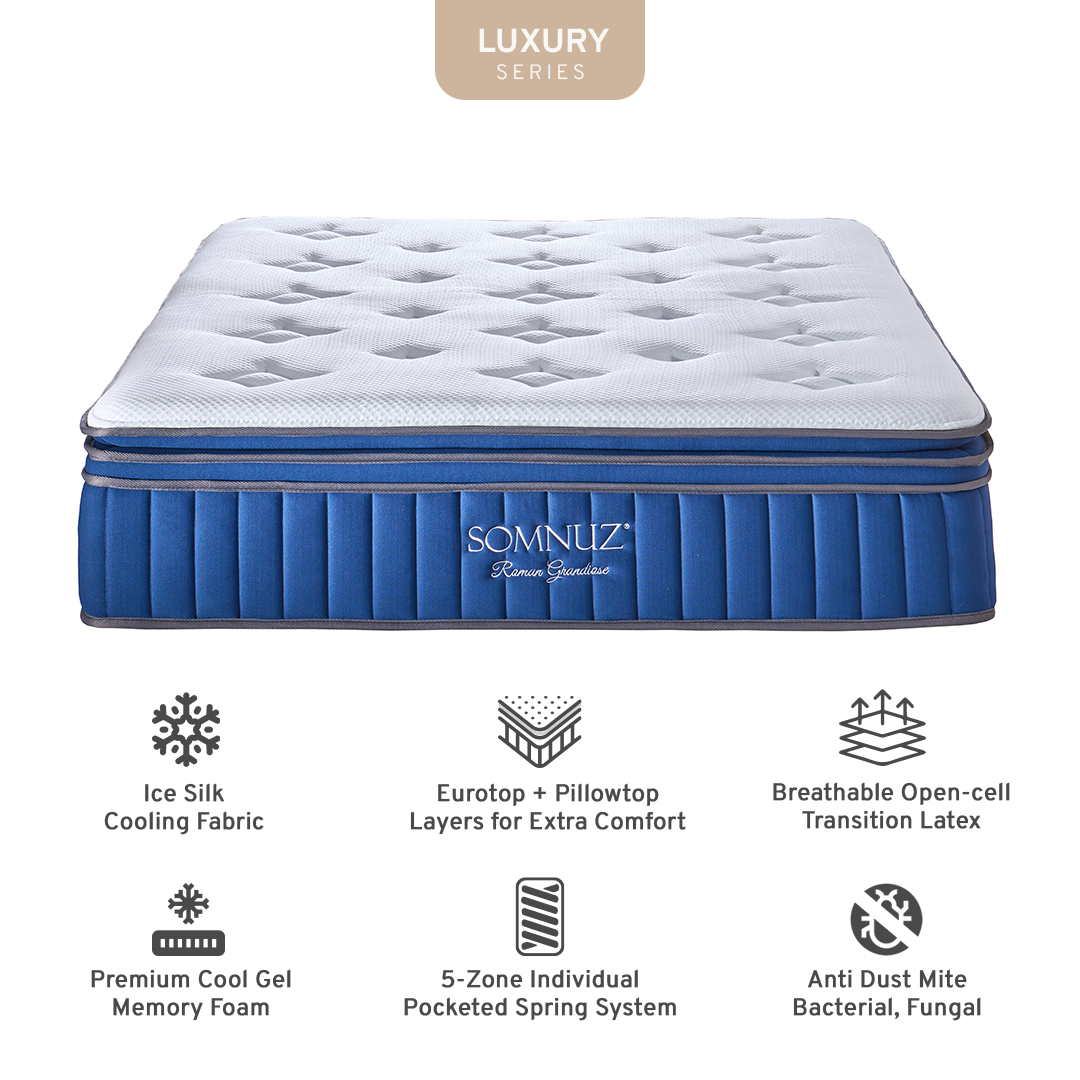
Pocket spring mattress benefits matter in this conversation because individually pocketed springs move more independently across the mattress. Somnuz’s brand materials use this simple explanation directly: springs that move more independently can help reduce movement from one side of the bed to the other, which is especially useful for couples.
This is one reason a motion transfer mattress with pocketed springs can feel more suitable for shared sleep than older spring systems that move more as one unit. Couples who want a more responsive feel, easier movement across the surface, and lower partner disturbance often find this construction easier to live with night after night.
Lower Disturbance Should Still Feel Natural
The best mattress motion transfer performance should not be judged on one feature alone. Surface feel, support, weight distribution, and how the mattress responds when both people lie down all affect the result. Mattress shopping becomes easier when you look at the whole sleep experience instead of one headline claim.
Support and Comfort Still Shape the Right Fit
Lower partner disturbance is important, but it is not enough on its own. Couples still need support that feels dependable and comfort that suits both sleepers. Somnuz’s core positioning reinforces this balance by pairing supportive comfort with clearer guidance, breathable sleep, and reassurance through the buying journey.
Support for Different Sleep Positions and Body Types
Some couples sleep in the same position every night. Many do not. One person may sleep on their side and want more cushioning at the shoulders and hips. One may sleep on their back and prefer a steadier, more level feel.
Good support helps the mattress feel even through the middle, instead of letting heavier areas sink too far. This does not mean one mattress suits everyone. Somnuz’s voice guide is clear on that point. Different people sleep differently, so the goal is to help shoppers find comfort and support that suits them best.
Surface Comfort Without Too Much Sink
Comfort matters because a mattress can reduce movement but still feel wrong if the top surface is too hard, too soft, or too unsteady. Shared sleep usually works better when both people feel settled on the mattress, not pushed up by a hard surface and not pulled too deeply into a soft one.
Many couples do well with a balanced feel. This can mean enough cushioning to feel comfortable, with enough structure below to keep movement more controlled and support more even.
Breathability for Humid Singapore Nights
Heat can turn a comfortable mattress into one that feels harder to sleep on after a few hours. In Singapore, this matters more because warm and humid nights can affect how the mattress surface feels over time. Somnuz’s brand materials repeatedly highlight breathable sleep, cooling comfort, and features made for humid nights as part of the brand’s local relevance.
When couples compare options, these points are worth checking:
- support through the middle of the mattress
- comfort at the shoulders, hips, and lower back
- motion control when one partner moves
- breathability for warm nights
- edge stability when sharing the bed
How to Compare the Best Mattress Motion Transfer in Person
Online research helps, but shared sleep is easier to judge when both people test the mattress together. Somnuz’s guidance places strong value on showroom comparison because it helps shoppers compare comfort levels with less guesswork and more confidence.
Start by lying in your usual sleep positions. Stay there for more than a few seconds. Let one partner turn, shift, or sit up while the other stays still. This gives you a better sense of how movement travels and how steady the surface feels.
Firmness labels alone will not tell you enough. One medium-firm mattress can feel flatter and steadier. Another may feel more cushioned on top with similar support underneath. Side-by-side comparison helps you notice those differences much more clearly.
For a closer look at options built around support, comfort, and calmer shared sleep, compare the premium mattress collection.
Use this simple checklist when comparing:
- Does the mattress feel calmer when one partner turns?
- Does the surface stay supportive through the middle?
- Does it feel too bouncy, too firm, or too soft after a few minutes?
- Does it feel breathable enough for warm nights?
- Do both partners feel comfortable in their usual positions?
Why Guidance and After-sales Support Matter for Couples
Couples rarely agree on every comfort detail straight away. One may prefer a firmer feel. One may care more about heat build-up. One may focus on movement across the bed. Clear guidance helps turn those differences into a more confident decision.
Somnuz’s playbook makes this part of the brand promise very clear. Mattress shopping should feel simpler, clearer, and more reassuring, with guidance customers can trust and dependable support beyond the sale.
Reading customer reviews can help you see how other buyers describe support, comfort, and shared sleep in everyday terms. Personal guidance matters too, especially when you are comparing feel, not just specifications on a page. You can also talk to our sleep team for clearer guidance before deciding.
How to Choose a Zero Motion Transfer Mattress in Singapore
Best results usually come from looking at the whole picture. For couples, a good mattress with no motion transfer should also feel supportive, comfortable, and breathable enough for regular use in Singapore’s climate. Lower partner disturbance is valuable, but it should sit alongside the right support level and the right comfort feel for both sleepers.
Pocketed spring construction can be a strong option for couples because it helps reduce movement across the bed while still offering a steadier, more responsive feel. Comfort layers also matter because they shape how settled and cushioned the surface feels. Breathability matters too, especially for warm nights and shared sleep.
Most of all, the right choice should feel easier to trust. Somnuz’s current brand guidance centres that exact outcome: better rest made simpler through supportive comfort, local relevance, showroom guidance, and dependable after-sales support.
Comparing options in person can make the decision much clearer. Visit our mattress showroom Singapore page to see the next step and compare comfort levels with more confidence.
Find the Right Mattress for Calmer Shared Sleep
Choosing the right mattress as a couple should feel clearer, not more stressful. Start by comparing comfort, support, and motion control in a way that suits how both of you sleep.
Frequently Asked Questions
What is the best mattress for couples with different sleep styles?
Best fit depends on how each person sleeps. Many couples do well with a mattress that balances lower motion transfer, dependable support, and a comfort level that does not feel too hard or too soft for either partner.
Does a pocket spring mattress reduce motion transfer?
Yes, it can. Pocket springs move more independently than older spring systems, so they can help reduce movement across the bed. This is one reason pocket spring mattress benefits often appeal to couples.
Can a zero motion transfer mattress still feel supportive?
Yes. Lower motion transfer and good support can work together. Stronger support through the core of the mattress can help it feel steadier, while comfort layers can help absorb some movement at the surface.
Is memory foam or pocket spring better for shared sleep?
Both can work. Memory foam may absorb movement well, while pocket springs can offer a more responsive and steadier feel. The right choice depends on how much cushioning, bounce, support, and breathability you want.