

Menopause can change the way sleep feels. Hot flushes, night sweats, and sleep disruption are commonly linked with menopause and perimenopause, although every person experiences this stage differently.
For many Singapore residents, the challenge feels even more noticeable because our nights are already warm and humid. A mattress cannot treat menopause symptoms, but the right sleep surface can make your bedroom feel more comfortable, breathable, and supportive.
If you are looking for the best mattress for menopause, focus on practical comfort. Look for cooling materials, balanced firmness, motion control, and dependable support that suits your body and sleep style.
What Menopause Sleep Changes Can Mean For Your Mattress
Menopause-related sleep changes often make people more aware of heat, fabric feel, firmness, and movement in bed.
Night sweats can make a mattress feel warmer than usual. A surface that once felt cosy may suddenly feel too heat-trapping. If you share a Queen or King bed, partner movement may also feel more disruptive when sleep is already lighter.
A better mattress choice for this stage should help with:
- Breathable comfort for humid nights
- A stable surface that does not feel too soft or unstable
- Gentle cushioning without excessive sinking
- Reduced movement across the bed
- A feel that works for both you and your partner, where possible
This does not mean the firmest or most expensive mattress is automatically the right choice. The better option is the one that helps your body feel supported while keeping heat build-up under control.
Choose Breathable Comfort For Humid Singapore Nights
Cooling comfort is often the first thing shoppers think about when choosing a mattress for menopause.
In Singapore, this matters even more. HDB and condo bedrooms can hold warmth, especially if airflow is limited or the bed is placed away from windows. Air-conditioning helps, but your mattress materials still affect how warm the bed feels.
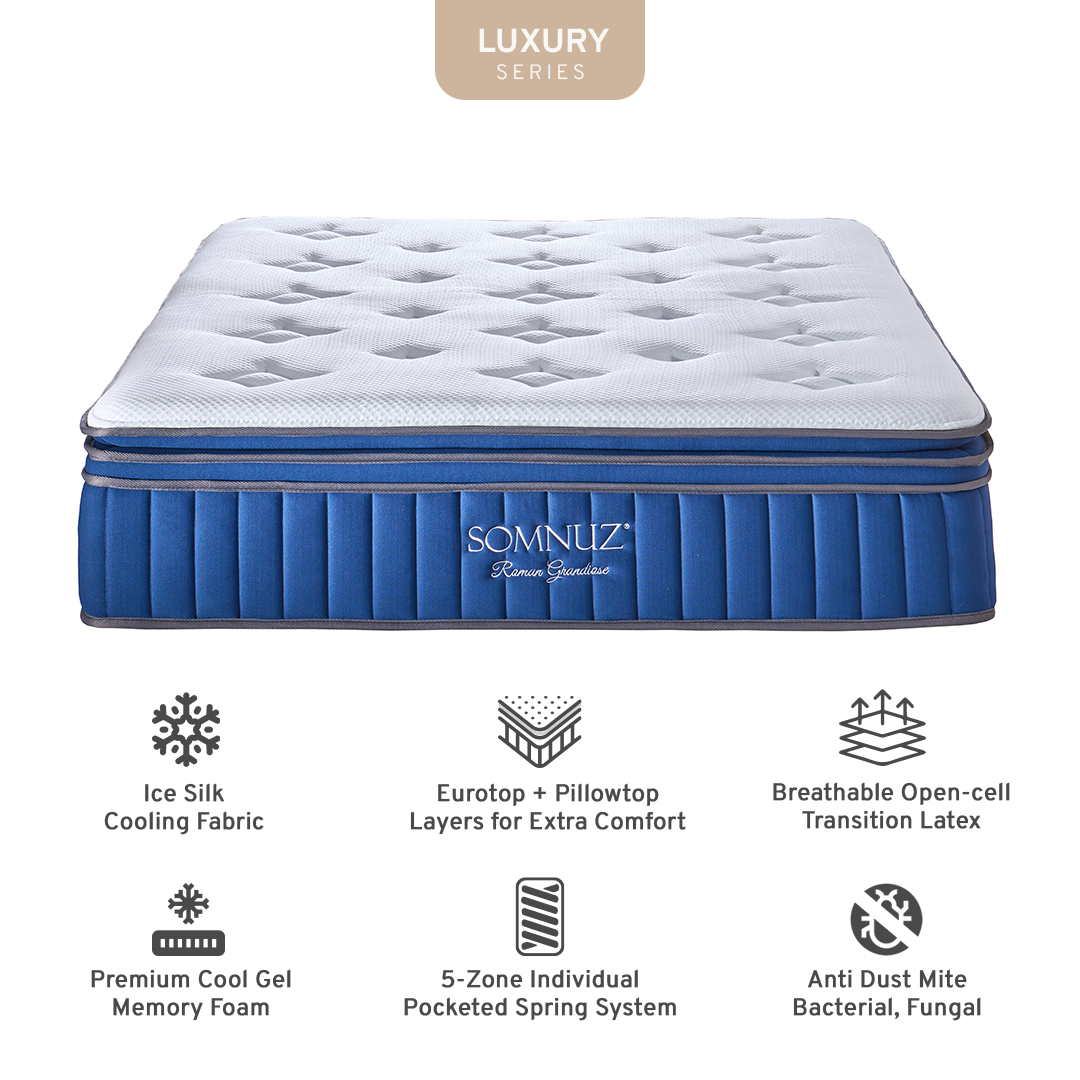
Look for mattresses that use breathable covers, pocketed spring structures, latex layers, or cooling comfort materials. These can help the mattress feel less stuffy by allowing better airflow or reducing heat retention.
Pocketed spring mattresses are often helpful because the spring structure leaves more room for air movement compared with dense all-foam designs. Latex can also feel more responsive and breathable than a deep-sinking foam feel.
Somnuz’s Premium Collection includes options designed around everyday support, breathable comfort, and practical Singapore home needs. For sleepers who want a more elevated feel with cooling comfort, the Luxury Collection may be worth comparing too.
Look For Balanced Firmness, Not Just A Firm Mattress
Firmness is personal. During menopause, some sleepers prefer a steadier mattress because it feels more secure. Others still need gentle cushioning around the shoulders and hips.
A mattress that is too soft may allow the body to sink more deeply, which can feel warmer and less stable. A mattress that is too firm may feel uncomfortable at pressure points, especially for side sleepers.
A balanced mattress should:
- Keep the body supported
- Cushion common pressure areas
- Feel steady when you change position
- Avoid a trapped or overly sunken feeling
For back sleepers, medium-firm to firmer support may feel more stable. For side sleepers, a mattress with some cushioning at the shoulders and hips can feel more comfortable. For combination sleepers, responsiveness matters because it helps you turn more easily through the night.
This is where in-person testing can be helpful. A mattress may sound suitable online, but your body may respond differently once you lie down for a few minutes.
Consider Motion Control For Shared Sleep
Many couples in Singapore share Queen or King beds in compact bedrooms. When one person is sleeping lightly, turning, getting up, or shifting position can disturb the other person more easily.
Menopause can make this more frustrating because sleep may already feel interrupted. Motion control can help reduce movement from one side of the mattress to the other, which may support calmer shared sleep.
Pocketed springs are useful here because each spring responds more independently. Instead of the whole mattress moving as one large surface, movement is more localised. Memory foam comfort layers can also help absorb motion, although some sleepers may prefer to balance this with breathable or responsive materials.
If you are deciding between different constructions, use Somnuz’s Compare Our Mattress page to review the range more clearly. It can help you compare feel, support, and comfort direction without relying on guesswork.
Match The Mattress To Your Sleep Style And Bedroom
The best mattress for menopause should also fit your home, room size, and daily routine.
In a condo master bedroom, a King mattress may give couples more personal space and reduce disturbance. In a tighter HDB bedroom, a Queen may offer a better balance between comfort and walking space. For guest rooms or smaller bedrooms, Single and Super Single sizes may be more practical.
Your sleep style matters too.
If You Sleep Hot
Prioritise breathable materials, cooling comfort layers, and a mattress that does not create a deep, enclosed hug. Use lighter bedding and keep the room well ventilated where possible.
If You Share A Bed
Look for motion isolation, edge support, and a size that gives both sleepers enough room. A larger mattress can help, but only if it still fits your bedroom comfortably.
If You Change Position Often
Choose a mattress that feels responsive enough for easy movement. Latex and pocketed spring designs can feel easier to move on than very slow-sinking foam.
If You Prefer Stronger Support
Look for a steadier feel, but avoid assuming that extra firm is always better. The goal is comfort with support, not hardness for its own sake.
For a deeper understanding of spring-based support, Somnuz’s spring mattress buyer’s guide can help you understand how this type of mattress works in everyday terms.
Test Cooling, Support, And Comfort Before Deciding
Online research is helpful, but mattress comfort is still personal. If you are choosing a mattress during menopause, it helps to test a few options side by side.
When testing, lie down in your usual sleep position. Do not judge the mattress in the first few seconds. Give your body time to settle.
Check these simple points:
- Does the surface feel cool and comfortable?
- Do your shoulders, hips, and lower back feel supported?
- Can you turn without effort?
- Does the mattress feel too soft, too hard, or balanced?
- If you share a bed, does movement feel controlled?
- Does the edge feel stable when sitting or getting in and out?
Trying the range in person can also help couples make a more confident choice together. At Somnuz, you can visit our showroom for practical guidance, comparison, and support before deciding.
Best Mattress For Menopause In Singapore: What To Prioritise
The best mattress for menopause in Singapore is usually not about one single feature. It is about how several comfort factors work together.
Prioritise a mattress that feels breathable enough for warm nights, supportive enough for your preferred sleep position, and stable enough for lighter or more interrupted sleep. If you share your bed, motion control and size also become important.
A good choice should make your sleep space feel easier to rest in. It should not make promises about curing symptoms or fixing health concerns. Instead, it should support a calmer, more comfortable bedroom environment while giving you confidence before and after purchase.
Somnuz’s approach is to make mattress shopping feel clearer, more reassuring, and easier to compare, with breathable comfort, steady support, and practical guidance for Singapore homes.
Find Cooling Comfort That Suits Your Sleep
Choosing a mattress during menopause can feel personal, especially when warmth, firmness, and partner movement all affect your rest. Take your time to compare the range, understand the materials, and choose the comfort level that feels right for your body.
You can shop the full Somnuz range online, or try the range in person for calm, practical guidance before you decide. The right choice should feel supportive, breathable, and reassuring for your home.
Frequently Asked Questions
What type of mattress is best for menopause?
A breathable, supportive mattress is often a good place to start. Many sleepers look for cooling comfort, balanced firmness, and materials that do not trap too much heat. Pocketed spring, latex, hybrid, and cooling comfort designs may all be suitable depending on your sleep style.
Can a mattress stop night sweats during menopause?
No. A mattress cannot stop or treat night sweats. Night sweats can be linked to menopause and other factors, so speak with a healthcare professional if symptoms are severe or concerning. A breathable mattress may help your sleep surface feel cooler and more comfortable.
Is memory foam good for menopause?
Memory foam can feel comfortable because it contours closely to the body and helps reduce motion transfer. However, some sleepers find dense foam warmer. If you like memory foam, consider options with cooling features or hybrid construction for a more balanced feel.
Is a firm mattress better for menopause sleep?
Not always. A firmer mattress may feel steadier, but it should still cushion your body comfortably. Side sleepers may need more pressure comfort, while back sleepers may prefer stronger support. The best firmness depends on your body, sleep position, and comfort preference.
Should couples choose a larger mattress during menopause?
A larger mattress can help if partner movement or limited space makes sleep feel more disturbed. However, the mattress must still fit your room properly. In Singapore homes, it is worth checking walking space, wardrobe clearance, and bedroom layout before moving from Queen to King.
Should I try a mattress in person before buying?
If possible, yes. Trying a mattress in person helps you compare firmness, cooling comfort, edge support, and motion control more clearly. It is especially useful if your comfort needs have changed or if you are choosing with a partner.