

Sharing a bed should feel restful, not disruptive. When one person turns, gets up, or changes position often, the other person may feel the movement across the mattress. This is why many couples look for the best mattress motion transfer features before buying.
Motion transfer matters most when two people share the same bed but sleep differently. One person may be a light sleeper. The other may move often. Some couples also have different body weights, sleep schedules, or comfort preferences.
The right mattress can help reduce partner disturbance while still giving both sleepers the support and comfort they need. It should also suit Singapore homes, where warm nights, shared bedrooms, and practical room layouts often shape the buying decision.
This guide explains how motion transfer works, which mattress types may help, and what to compare before choosing your next mattress.
What Mattress Motion Transfer Means For Shared Sleep
Motion transfer is the movement you feel on your side of the bed when someone moves on the other side.
For example, you may feel movement when your partner:
- turns from their back to their side
- gets in or out of bed
- adjusts their pillow
- sits near the edge of the mattress
- changes position during the night
A mattress with better motion isolation helps absorb movement before it spreads across the bed. This can make shared sleep feel calmer, especially when one person is more sensitive to movement.
No mattress removes every bit of movement. Still, the right build can reduce how much you notice it. This is often helpful for couples, light sleepers, parents sharing a bed with young children, or anyone whose sleep is easily disturbed.
Motion transfer should not be judged alone. Comfort, support, firmness, cooling, and mattress size all matter too. A mattress may control movement well, but it still needs to feel right for your body and sleep style.
Why Reduced Partner Disturbance Matters In Singapore Homes
Shared sleep can feel harder when two people have different routines, comfort needs, and body movements.
In many Singapore homes, the bedroom is a practical space. HDB bedrooms, condo bedrooms, and landed home bedrooms all come with different layouts and space limits. Some couples choose a queen mattress for balance. Others prefer a king size when the room allows more space.
Reduced partner disturbance can support a more settled sleep routine because each person feels less affected by the other’s movement. This is useful when one partner works late, wakes early, or changes position often.
For Singapore’s humid nights, comfort is not only about movement. Heat build-up can also affect how restful the mattress feels. A mattress that supports airflow, breathable comfort, and steadier movement control can feel more suitable for shared sleep in local homes.
Couples may also want different things from the same mattress. One person may prefer a firmer feel. The other may want more cushioning. This is why choosing a mattress for couples should involve more than picking the softest or firmest option. The better choice is usually the one that balances both comfort preferences with dependable support.
Best Mattress Types For Motion Transfer
Mattress material and construction affect how much movement travels across the bed.
Some mattress types absorb movement better. Others feel more responsive and easier to move on. The best choice depends on your sleep style, body type, warmth preference, and how much movement you notice at night.
Pocketed Spring Mattresses
A pocketed spring mattress uses springs that are wrapped individually. Each spring can respond more independently to pressure, instead of moving as one connected system.
This can help reduce movement from one side of the bed to the other. It can also give the mattress a steadier, more responsive feel.
Pocketed springs may suit:
- couples who want reduced partner disturbance
- sleepers who prefer a lifted feel
- people who change positions often
- warm sleepers who want better airflow through the mattress core
- buyers who want support without a heavy sinking feel
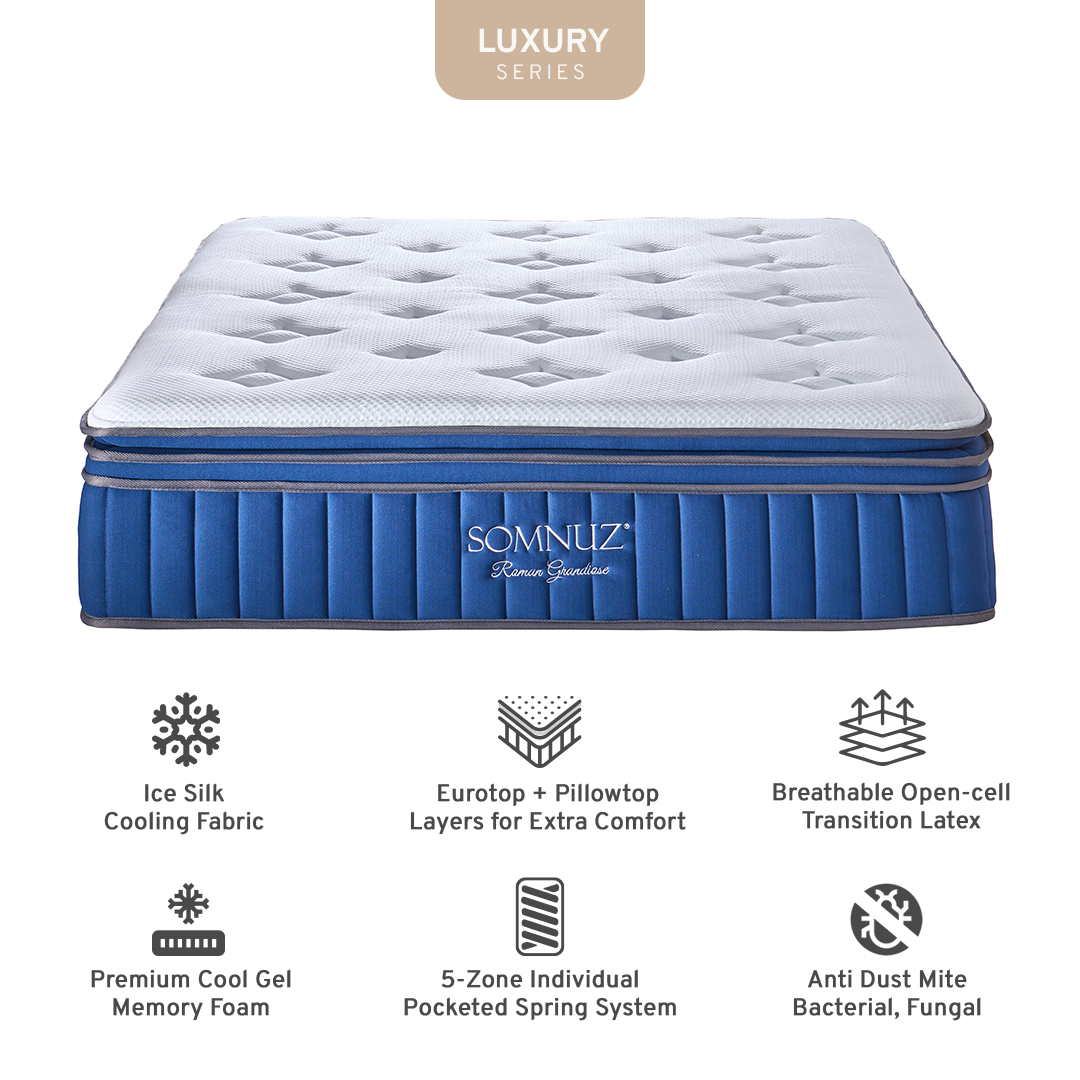
For Singapore homes, pocketed springs can be a practical option because the structure allows more airflow than some dense foam-only mattresses. The comfort layers above the springs still matter, so it helps to compare the full mattress build.
Memory Foam Mattresses
A memory foam mattress usually performs well for motion control because foam absorbs movement closely around the body. When one person moves, the foam can help limit how far that movement travels.
Memory foam may suit:
- light sleepers who notice small movements
- couples who want a closer, more cushioned feel
- side sleepers who prefer gentle contouring
- people who like a mattress that hugs the body
The main trade-off is feel. Some sleepers enjoy the close comfort of memory foam. Others may feel that it is harder to move on, especially if they turn often during the night.
For humid Singapore nights, cooling features and breathable covers are worth checking. Foam can feel warmer for some sleepers, so material design matters.
Latex And Hybrid Mattresses
A natural latex mattress usually feels more responsive than memory foam. It compresses under weight, then springs back more quickly when you move.
Latex may suit:
- warm sleepers who want a more breathable feel
- people who dislike sinking deeply into the mattress
- combination sleepers who change positions
- buyers who want a steadier, more buoyant surface
Latex may not absorb motion as deeply as memory foam, but it can feel easier to move on. Hybrid mattresses can also be useful because they combine comfort layers with a support core, often using pocketed springs. This can create a balance of cushioning, responsiveness, airflow, and movement control.
The better option depends on the full mattress build, not the material name alone.
What To Check Before Choosing A Motion Control Mattress
Motion control matters, but it should not be the only feature you compare.
A good shared-sleep mattress should reduce movement while still supporting both sleepers comfortably. Before choosing, compare these factors:
- Firmness: A mattress that feels too soft may create too much sink. One that feels too firm may not offer enough surface comfort.
- Support: The mattress should feel steady under your body, especially around the shoulders, hips, and lower back.
- Comfort layers: Foam, latex, and fabric covers affect how the mattress feels when you first lie down.
- Cooling comfort: Breathable materials can help the mattress feel more comfortable on humid nights.
- Edge support: Stronger edges can help when one person sits or gets out of bed.
- Mattress size: A queen or king size can give couples more personal space if the room allows.
- Ease of movement: Some sleepers prefer a responsive surface that lets them turn more easily.
You can use Compare Our Mattresses to review different options by feel, firmness, cooling, and support features. This makes it easier to narrow your choices before trying them in person.
The aim is not to find a mattress that sounds impressive on paper. The aim is to find one that feels comfortable, supportive, and suitable for how both of you sleep.
How To Compare Motion Transfer Mattresses With More Confidence
The right mattress should fit your comfort preference, not just look good on paper.
Start by thinking about what disturbs your sleep most. Is it partner movement? Heat? A mattress that feels too soft? A surface that feels too hard? Different problems may point to different mattress builds.
You can begin online by browsing the Somnuz mattress collection. Look at the mattress type, firmness, comfort layers, and cooling features. This helps you create a practical shortlist instead of comparing too many options at once.
Couples should also discuss comfort openly. One person may want deep cushioning. The other may prefer a firmer, more stable feel. A middle-ground option, such as a medium-firm pocketed spring or hybrid mattress, may feel more balanced for shared sleep.
For more confidence, it helps to visit our showroom and compare mattress feels in person. Lie down in your usual sleep position. Turn from side to side. Sit near the edge. Notice how much movement you feel when your partner shifts beside you.
A short in-person test can make the decision clearer because mattress comfort is personal. Online details help, but your body will often tell you more.
Best Mattress Motion Transfer Choice Depends On Your Sleep Needs
The best mattress motion transfer choice is the one that balances less partner disturbance with the comfort and support you prefer.
Memory foam can be helpful for people who want close contouring and strong movement absorption. Pocketed spring mattresses can suit couples who want steadier support, better airflow, and reduced movement across the bed. Latex can suit sleepers who prefer a more responsive and breathable feel. Hybrid mattresses can offer a balanced mix of comfort layers and support.
No single mattress is right for every couple. The better choice depends on how you sleep, how warm your room feels, how much movement you notice, and what level of firmness feels supportive for both partners.
For Singapore homes, it is also worth thinking about local comfort needs. Humid nights, shared bedrooms, and practical room layouts can all affect your decision. A mattress should help you feel more settled at night while giving you confidence before and after purchase.
Find The Mattress That Fits Your Shared Sleep
Better shared sleep starts with clearer guidance.
Somnuz helps you compare supportive, breathable mattresses designed for different comfort preferences, sleep styles, and shared sleeping needs.
Use these next steps to choose with more confidence:
FAQs
What type of mattress is best for motion transfer?
Memory foam, pocketed spring, and hybrid mattresses can all help with motion transfer in different ways. Memory foam absorbs movement closely. Pocketed springs move more independently than traditional spring systems. Hybrid mattresses can combine comfort layers with responsive support. The best choice depends on your comfort preference and how you sleep.
Is memory foam or pocketed spring better for motion transfer?
Memory foam often absorbs movement very well because it contours closely around the body. Pocketed spring mattresses can also reduce motion transfer because each spring responds more independently. Memory foam may feel more cushioned, while pocketed spring may feel more lifted and breathable.
Can a mattress stop all partner movement?
No mattress can stop all partner movement. A good motion isolation mattress can reduce how much movement travels across the bed, but some movement may still be felt. Mattress size, firmness, body weight, and sleep habits can also affect how much disturbance you notice.
Does mattress firmness affect motion transfer?
Yes, firmness can affect motion transfer and comfort. A very soft mattress may create more sink, while a very firm mattress may feel less cushioned. Many couples prefer a balanced feel that offers steady support without feeling too hard.
Should couples try a motion isolation mattress in person?
Yes, trying a mattress in person can help couples choose more confidently. Product details can explain the materials and features, but a showroom test lets both sleepers compare firmness, comfort, cooling feel, and movement control in a more practical way.