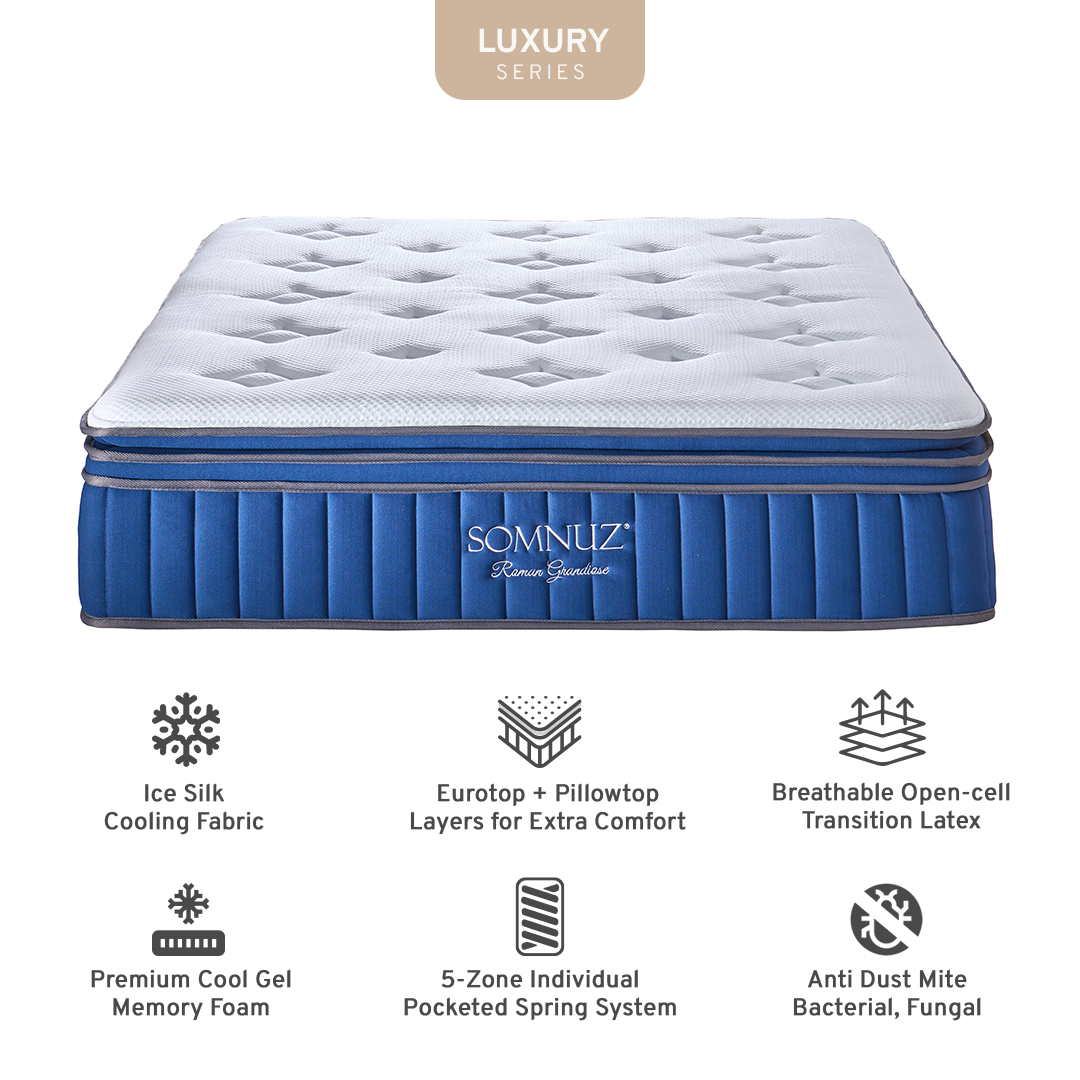


Orthopedic mattress is one of the most frequently used terms in the mattress market, and one of the least consistently defined. Understanding what it actually means, what it claims that can be verified, and how to assess mattresses marketed as orthopedic helps you make a decision based on substance rather than label.
What Orthopedic Mattress Actually Means
In a strict sense, orthopedic medicine refers to the treatment of musculoskeletal conditions including those of the spine, joints, and muscles. A mattress described as orthopedic implies it has properties beneficial to these systems during sleep.
The challenge is that orthopedic is not a regulated or certified term in the mattress industry. Any manufacturer can describe their mattress as orthopedic without meeting defined clinical standards. Unlike certifications such as OEKO-TEX or CertiPUR-US, which are independently tested and verified, the orthopedic label can be applied without independent confirmation.
This does not mean that all mattresses described as orthopedic are inferior products. It means the term alone does not tell you whether the mattress will actually support musculoskeletal wellbeing. The construction, materials, and firmness specification are what matter.
What Genuinely Supportive Mattresses Have in Common
A mattress that genuinely supports musculoskeletal comfort during sleep typically shares several characteristics.
Appropriate firmness for the intended sleeper. Not so soft that the spine curves out of neutral alignment, and not so firm that it creates pressure at contact points. Medium to medium-firm tends to suit the widest range of sleepers.
Quality support core. A well-specified pocketed spring system or high-density foam provides consistent, calibrated support that does not break down rapidly with regular use.
Adequate pressure relief. Comfort layers above the support core that accommodate the body's contact points without creating concentrated pressure.
Construction that holds these properties over time. The materials that provide support and pressure relief must maintain their specifications through years of nightly use, not just when the mattress is new.
What to Look for When Evaluating Orthopedic Mattress Claims
Ask about the specific construction details. What is the spring specification or foam density? How are the comfort layers structured? What certifications apply to the materials?
A brand that answers these questions clearly is providing verifiable information. One that relies on the orthopedic label without supporting construction details is not.
Trying the mattress in a showroom in your actual sleeping position provides physical confirmation of whether the firmness and support feel appropriate for your body and sleeping style.
The Somnuz mattress collection includes options with clear construction specifications across different firmness levels suited to Singapore's conditions. For guidance on what suits your sleep needs, visit our showroom in Singapore to try options in person. The Sleep Well resource page covers broader sleep environment guidance. Always consult a healthcare provider for specific medical guidance related to musculoskeletal concerns.
Frequently Asked Questions
Is orthopedic a certified term for mattresses?
No. Orthopedic is not a regulated or independently certified term in the mattress industry. Any manufacturer can use it without meeting defined clinical standards. Construction quality and relevant material certifications provide more reliable quality indicators.
What makes a mattress genuinely supportive for musculoskeletal wellbeing?
Appropriate firmness for the sleeper's position and body type, a quality support core that maintains its properties over time, adequate pressure relief in the comfort layers, and materials that hold their specifications throughout the mattress's lifespan.
Is a firm mattress the same as an orthopedic mattress?
Not necessarily. Many orthopedic mattresses are on the firmer side of the spectrum, but firmness alone does not define orthopedic support. Appropriate firmness for the individual's sleeping position matters more than a general firm specification.
Should I see a doctor before choosing an orthopedic mattress?
If you have specific musculoskeletal concerns including back pain, spinal conditions, or joint issues, consulting a healthcare provider for guidance tailored to your condition is valuable before making a mattress decision.
What firmness suits most people looking for orthopedic support?
Medium to medium-firm suits the widest range of sleepers for general support. Back and front sleepers may benefit from firmer options. Side sleepers often need more surface cushioning alongside structural support.
How do I know if an orthopedic mattress will help with back discomfort?
No mattress can guarantee relief from back discomfort, as the causes of back pain are varied and often require medical assessment. A mattress that provides appropriate support for your sleeping position without creating pressure at contact points may contribute to more comfortable sleep. If back discomfort is a persistent concern, consulting a healthcare professional is advisable alongside a mattress assessment.
Find a Mattress Built on Genuine Support
Clear construction specifications and the right firmness for your sleep are more reliable guides than the orthopedic label.
Browse the Somnuz mattress collection for options with honest construction details. Or visit our showroom in Singapore to try the range in your sleeping position.