

A mattress cover does not get much attention, but it is one of the more practical things you can add to your bed setup. It sits between your mattress and your fitted sheet, and depending on the type you choose, it can protect against moisture, reduce allergens, extend the life of your mattress, or add a small layer of extra comfort.
This article covers the different types of mattress covers, what to look for when buying, and how to decide which one suits your situation.
Mattress Cover vs Mattress Protector vs Mattress Topper
These three terms get used interchangeably sometimes, which causes a lot of confusion. They are not the same thing.
A mattress cover is typically a thin fitted cover that goes over the mattress. Some are purely for cleanliness and protection. Others have a slight padding to them. The main job is to keep the mattress surface clean and protected.
A mattress protector is similar but is specifically designed to be waterproof or water-resistant. It is ideal for children's beds, guest rooms, or anyone who wants an extra layer of protection against spills, sweat, or moisture.
A mattress topper is something quite different. It adds meaningful cushioning or support on top of the mattress. If you want to change how the mattress feels, that is what a topper is for. It is much thicker than a cover.
When you are looking to buy a mattress cover, you are most likely looking for either a basic protective cover or a waterproof protector. Knowing which one you need before you search saves a lot of time.
When Do You Actually Need One?
A mattress cover is worth having in most situations. Mattresses absorb sweat, skin cells, and dust mites over time. A cover that is washable catches most of that before it reaches the mattress itself, which keeps the mattress fresher for longer.
Households with young children benefit particularly from waterproof protectors. Spills and accidents are common, and a mattress without protection can absorb liquid deeply, which is hard to fully clean and can lead to mould or odour over time.
Hot sleepers may find a cooling cover useful. Some mattress covers are designed with breathable or moisture-wicking fabrics that help reduce that sticky feeling during warm nights.
Allergy sufferers can also benefit from tightly woven covers that reduce dust mite exposure.
What to Look For When Buying
Fit
The cover should match your mattress size exactly. If it is too loose, it bunches up and becomes uncomfortable to sleep on. Check the depth too. Mattresses vary in thickness, and a cover with a shallow pocket will not stay on a thick mattress.
Material
Cotton and bamboo covers tend to be breathable and comfortable against the skin. Polyester covers are often more durable and easier to wash. Waterproof covers usually have a polyurethane layer on one side. The better ones use a thin, quiet waterproof membrane that does not crinkle when you move.
Ease of Washing
Mattress covers only work if you wash them regularly. Check the care instructions before buying. A cover that needs to be air dried flat for days or cannot handle a regular wash cycle is a pain to maintain.
Breathability
This matters more in Singapore than in cooler climates. A cover that traps heat will make an already warm night worse. Look for covers that mention breathability or moisture-wicking properties if heat is a concern for you.
How Often Should You Replace a Mattress Cover?
Most good-quality mattress covers last a couple of years with regular washing. Signs that it is time to replace one include visible staining that does not wash out, loss of waterproofing (water soaks through instead of beading), material pilling, and the cover no longer fitting snugly.
Replacing a mattress cover is significantly cheaper than replacing a mattress, which is the whole point. Keeping the cover in good condition is one of the best ways to extend how long your mattress stays in good shape.
Pairing the Right Cover With the Right Mattress
A mattress cover is only part of the picture. If your mattress itself is ageing, sagging, or no longer supportive, a cover will not fix that. It is worth evaluating both at the same time.
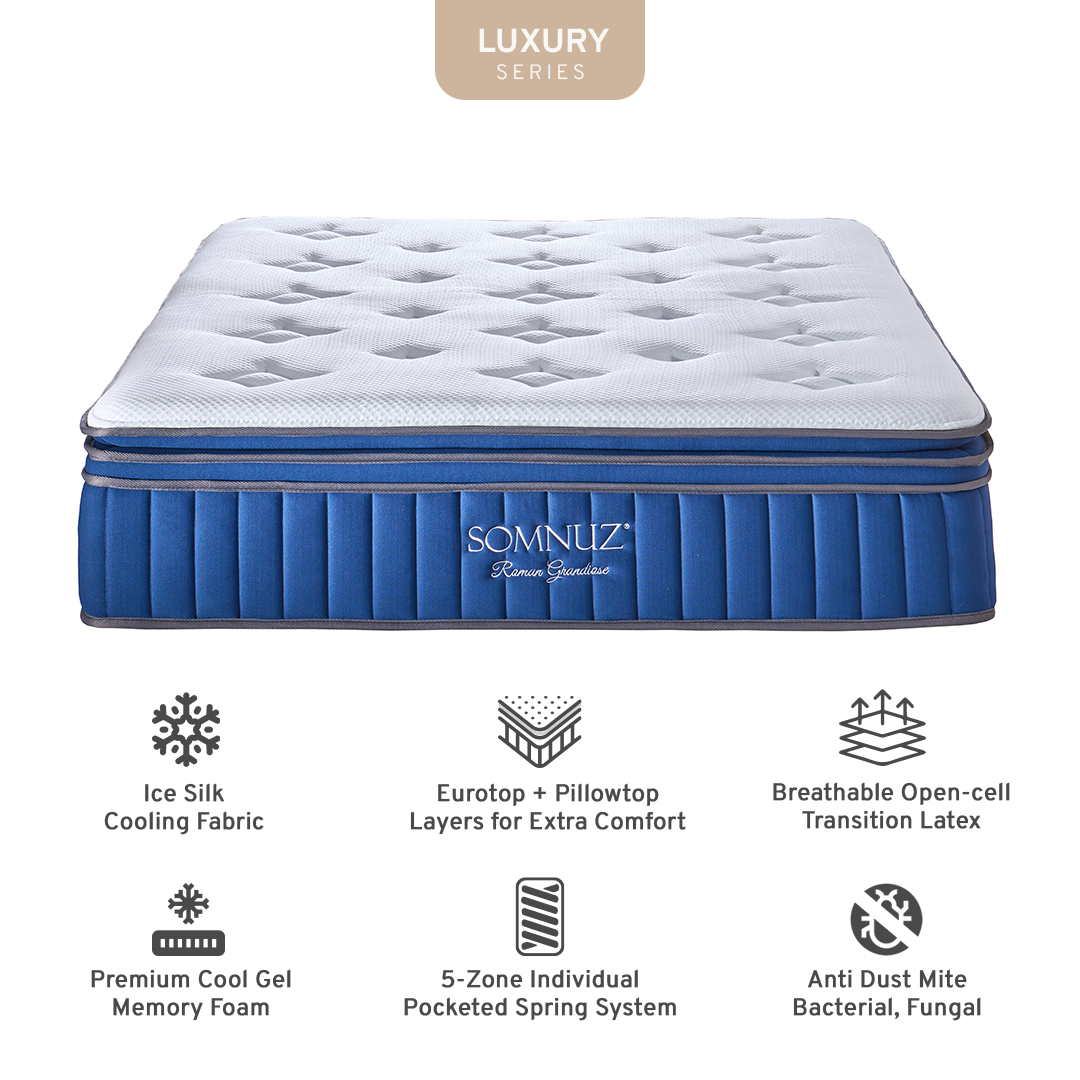
If you are looking at replacing the mattress along with updating your bedding, the Somnuz mattress collection has a range of options across different types and price points. Whether you are looking at pocketed spring or memory foam, getting both the mattress and the protective layer right from the start means less to manage down the road.
Final Thoughts
Buying a mattress cover is a small decision that pays off over time. It keeps your mattress cleaner, makes maintenance easier, and depending on the type you choose, can improve breathability or provide waterproofing where needed.
Match the size carefully, check the material suits your climate and washing routine, and replace it when it shows signs of wear. That is really all there is to it.