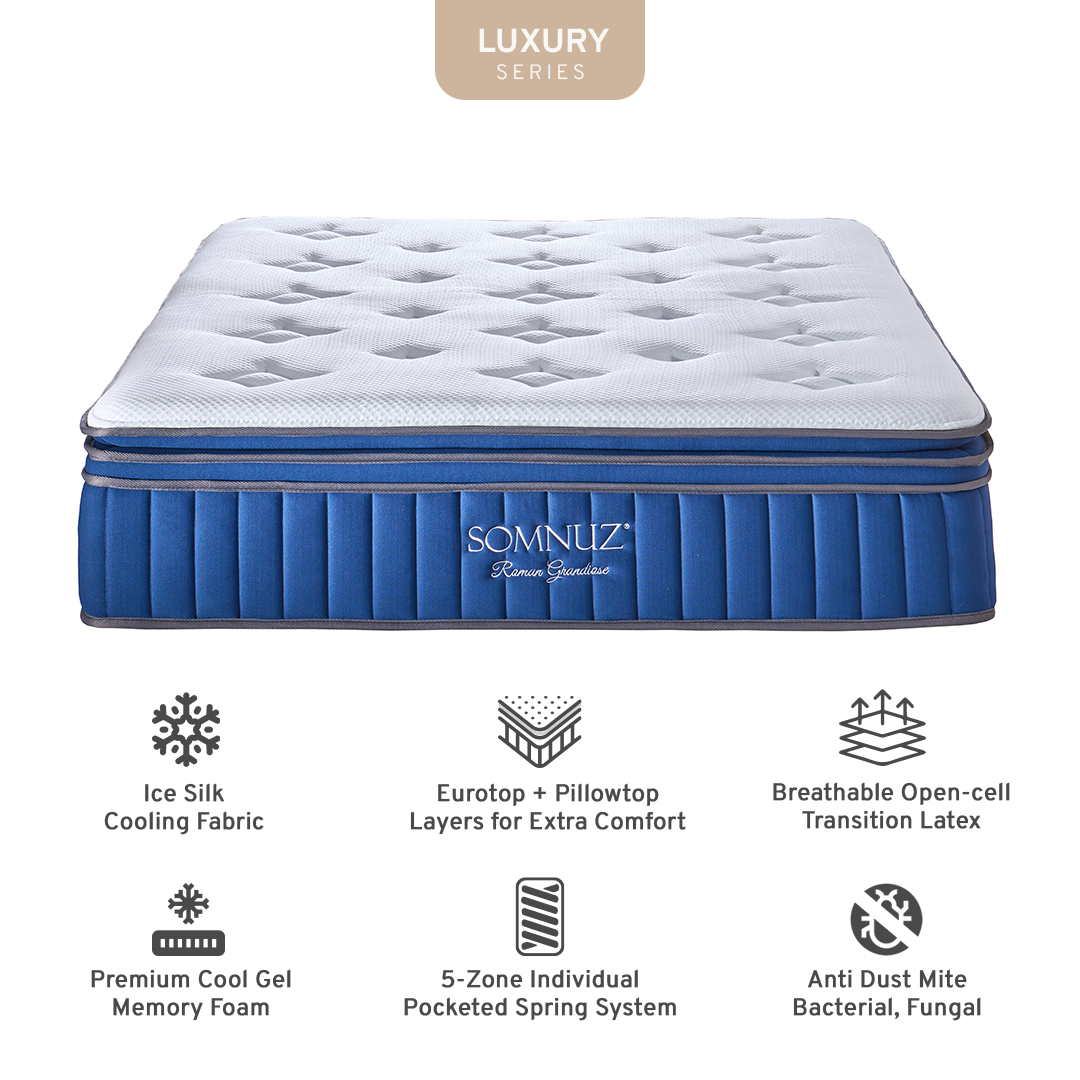


A common question many people ask after a restless night is: can a bad mattress cause body aches? The honest answer is that a poor mattress can contribute to body discomfort, especially if it no longer supports you well, feels uneven, traps heat, or does not suit your sleeping position.
However, body aches can come from many causes. Daily posture, work habits, exercise, stress, injuries, health conditions, pillows, and sleep position may all play a part. Mayo Clinic notes that back pain can be related to muscle or ligament strain, poor posture, lack of regular exercise, and other medical or structural causes. If pain is severe, lasts longer than a few weeks, spreads down the legs, or comes with numbness, weakness, or unexplained weight loss, it is best to contact a healthcare professional.
For everyday sleep comfort, your mattress still matters. A mattress that no longer feels supportive can make your body work harder to get comfortable. Over time, this may leave you waking up feeling stiff, sore, or unrested.
How a Bad Mattress May Affect Comfort
A mattress should support your body evenly. When it is too old, too soft, too hard, or uneven, your body may not settle comfortably through the night.
A bad mattress may affect comfort if it:
-
Sags in the middle
-
Feels lumpy or uneven
-
Has weak edges
-
Feels too firm for your sleeping position
-
Feels too soft and lets you sink deeply
-
Traps heat and makes you toss and turn
-
Transfers too much partner movement
- No longer suits your body or sleep habits
In Singapore homes, heat and humidity can also affect comfort. If your mattress feels warm, stale, or difficult to keep fresh, you may move more often during the night. This can make sleep feel less settled, even if the mattress still looks fine.
Signs Your Mattress May Be Part of the Problem
Your mattress may be contributing to discomfort if you sleep better away from home, avoid certain parts of the bed, or wake up feeling less comfortable than when you went to sleep.
Look for these signs:
-
You roll towards the centre
-
One side feels lower than the other
-
Your hips or shoulders sink too deeply
-
The mattress feels hard at pressure points
-
You wake up feeling stiff
-
Your partner’s movement disturbs you
-
The mattress feels hot or stuffy
- You no longer feel rested after sleep
A mattress does not need to be visibly damaged to stop feeling right. The comfort layers may soften, the support system may weaken, or your own sleep needs may have changed.
If your mattress is still clean and supportive but slightly too firm, a topper may help adjust the surface feel. If the mattress is sagging or uneven, a topper will usually only cover the issue for a short time.
Firmness Is Not the Only Answer
Many people assume a firmer mattress is always better for body aches. This is not always true.
A very firm mattress may feel too harsh for side sleepers because the shoulders and hips need some cushioning. A very soft mattress may allow the body to sink more than feels comfortable, especially for back sleepers or heavier sleepers.
The better goal is balanced support. Your mattress should feel steady underneath, with enough comfort on top to help your body relax.
Side sleepers often need more cushioning. Back sleepers may prefer a steadier surface. Combination sleepers need a mattress that allows easy turning. Couples should also consider motion control and edge support.
If you are unsure what firmness suits you, Somnuz’s Sleep Well guidance can help you think through comfort, support, and sleep fit more clearly.
Mattress Types to Compare
Different mattress constructions feel different, and each may suit different sleepers.
A memory foam mattress may suit sleepers who like a cushioned, contouring feel. It may also help absorb movement, which can be useful for couples.
A latex mattress may appeal to sleepers who prefer a more buoyant and responsive surface. It can feel easier to move on than deeper contouring foam.
A pocketed spring mattress may suit those who want responsive support with reduced motion transfer.
The right choice depends on your body, sleep position, room conditions, and comfort preference. A good mattress should help you feel supported without forcing your body into an uncomfortable position.
When Should You Replace the Mattress?
Consider replacing your mattress if it is sagging, uneven, stale, too warm, or no longer comfortable. Replacement may also make sense if you share the bed and now feel every movement from your partner.
A new mattress may be more suitable than a topper if:
-
The mattress has visible dips
-
The edges feel weak
-
The surface feels unstable
-
The mattress smells musty
-
You wake up uncomfortable often
-
The mattress feels too hot despite lighter bedding
-
Your sleep needs have changed
- You no longer feel confident using it
You can compare supportive options through the Somnuz mattress collection and choose based on comfort, breathability, motion control, and room fit.
Try Before You Decide
If you suspect your mattress is causing discomfort, testing different mattresses in person can help. Lie down in your usual sleep position, not just on your back for a few seconds. If you share the bed, test it with your partner.
At a mattress showroom Singapore, you can compare comfort levels and receive calm showroom guidance based on your body, room, and sleep habits.
A bad mattress may not be the only reason for body aches, but a better-suited mattress can support a more comfortable nightly routine.
Frequently Asked Question
Can a bad mattress cause body aches?
A bad mattress can contribute to body aches if it is sagging, uneven, too firm, too soft, or no longer supportive. However, body aches can have many causes, so ongoing or severe discomfort should be checked by a healthcare professional.
How do I know if my mattress is causing discomfort?
Your mattress may be part of the issue if you wake up stiff, avoid certain spots, roll towards the centre, feel unsupported, or sleep better on other beds.
Is a firm mattress better for body aches?
Not always. A very firm mattress may feel harsh for some sleepers. Balanced support with suitable cushioning is usually more practical than choosing the firmest option.
Can a mattress topper help?
A topper may help if your mattress is still supportive but feels too firm on the surface. It cannot fix sagging, unevenness, or weak support.
When should I replace my mattress?
Replace it if it is sagging, uneven, musty, too warm, or no longer comfortable. If body aches continue after changing your sleep setup, seek medical advice.
Find a Mattress That Supports Everyday Comfort
A bad mattress may contribute to body discomfort, but the right choice should be based on balanced support, breathable comfort, and a feel that suits your sleeping position.
Browse the Somnuz mattress collection to compare supportive mattress options for Singapore homes. Or visit our showroom for honest guidance on finding a mattress that feels right for your body and routine.