

Can a moldy mattress make you sick? For some people, exposure to mould can cause or worsen symptoms such as stuffy nose, sore throat, coughing, wheezing, burning eyes, or skin rash. People with asthma, mould allergy, weakened immunity, or chronic lung conditions may be more sensitive.
That said, not every dark spot on a mattress is mould. Black dots may also be stains, dirt, fabric transfer, pest marks, or old spill residue. The concern becomes stronger when the marks spread, smell musty, feel damp, or appear on the underside of the mattress.
In Singapore’s humid climate, mattress mould is a real concern. Warm rooms, limited airflow, storage beds, closed windows, damp walls, and spills that do not dry fully can all create conditions where mould may grow. The EPA explains that mould grows indoors when spores land on wet or damp spots, and that moisture control is key to preventing indoor mould growth.
How Mattress Mould Happens
Mould needs moisture. A mattress may become mouldy when dampness is trapped inside or underneath it.
Common causes include:
-
Sweat and body moisture over time
-
Spills that are not dried fully
-
A mattress placed directly on the floor
-
Poor airflow under a solid bed base
-
Storage beds with limited ventilation
-
Damp bedroom walls
-
Humid rooms with little sunlight
-
Mattresses stored in plastic
- Wet cleaning that leaves moisture behind
In Singapore homes, HDB and condo bedrooms can sometimes have limited ventilation. If air-conditioning is used at night and windows remain closed during the day, moisture may remain trapped in the room.
Mould prevention is not only about the mattress. It is also about the bed base, room airflow, bedding, and cleaning habits.
Signs Your Mattress May Be Moldy
A mouldy mattress may show visible signs, but not always immediately.
Look for:
-
Black, green, grey, or dark patches
-
Musty smell
-
Damp feeling
-
Spots on the underside
-
Marks near mattress edges
-
Discolouration near walls
-
Recurring stains after cleaning
- Stale smell even after airing
If you notice a musty smell, inspect the full mattress. Check the top, sides, seams, underside, bed frame, and wall behind the bed. Sometimes the moisture source is not the mattress itself but the room environment.
If mould-like marks are widespread or deep, it may be difficult to clean the mattress confidently.
Should You Sleep on a Moldy Mattress?
If you suspect mould, it is best not to ignore it. A mattress is used for many hours each night, close to your face and skin. For sensitive people, mould exposure may trigger discomfort.
If the mould appears minor and only on the surface, you may consider professional cleaning advice. However, mattresses are difficult to dry thoroughly once moisture enters deeper layers. If the musty smell returns, the problem may not be fully resolved.
If the mattress is heavily mouldy, smells musty, feels damp, or has recurring patches, replacement is usually more reassuring.
A mattress should feel clean, dry, and comfortable enough for peace of mind.
Can You Clean a Moldy Mattress?
Light surface mould may sometimes be cleaned, but mattress cleaning should be handled carefully. Avoid soaking the mattress because moisture can make the problem worse if it does not dry fully.
If you attempt cleaning, follow the mattress care label. Keep the room ventilated. Let the mattress dry fully before putting bedding back. Do not cover a damp mattress with sheets or a protector.
If the mould is deep, widespread, or recurring, cleaning may not be enough. The EPA notes that mould problems are likely to return if the moisture problem is not fixed.
For Singapore homes, this means you should also fix the room issue, such as poor airflow, damp walls, or a bed base that traps moisture.
When Should You Replace the Mattress?
Consider replacing your mattress if:
-
The mould covers a large area
-
The musty smell remains
-
Spots return after cleaning
-
The mattress feels damp
-
The underside has dark patches
-
The mattress is old or sagging
-
You no longer feel comfortable using it
- Someone in the home is sensitive to mould
If your current mattress has both hygiene concerns and comfort issues, a replacement may be the more practical choice.
You can compare fresh options from the Somnuz mattress collection, focusing on breathable comfort, support, and suitability for Singapore homes.
How to Prevent Mattress Mould
Prevention starts with moisture control.
Use a breathable mattress protector. Wash sheets regularly. Air the mattress when changing bedding. Keep the room ventilated when possible. Avoid placing the mattress directly on the floor. Check the underside every few months, especially if you use a storage bed or solid platform.
If your room feels damp, consider using a fan, dehumidifier, or air-conditioning dry mode. Keep the mattress slightly away from damp walls if possible.
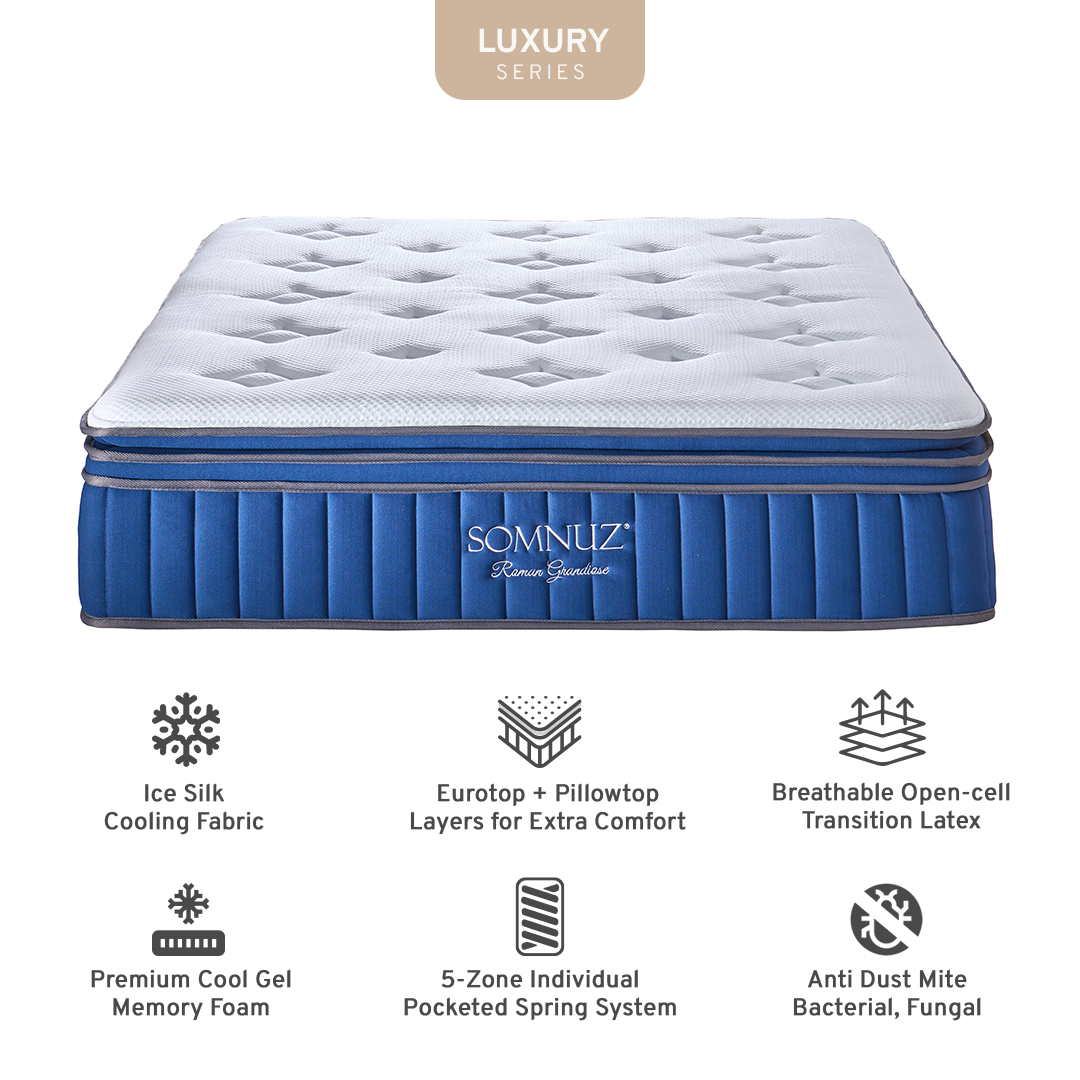
Mattress material matters too. A pocketed spring mattress may appeal to sleepers who prefer responsive support and airflow through the spring structure. A latex mattress may suit sleepers who like a buoyant feel. A memory foam mattress may suit those who prefer cushioning, but moisture care remains important for all mattress types.
Get Guidance Before Choosing Again
If you are replacing a mouldy mattress, think about what caused the problem first. A new mattress placed in the same damp setup may face the same issue.
For practical comfort and care guidance, Sleep Well can help you understand mattress fit, materials, and sleep setup.
At a mattress showroom Singapore, you can compare breathable options and receive calm showroom guidance based on your room and routine.
A fresh mattress should feel clean, dry, supportive, and suitable for Singapore’s humid conditions.
Frequently Asked Question
Can a moldy mattress make you sick?
Mould exposure can cause symptoms in some people, especially those with allergies, asthma, weakened immunity, or chronic lung conditions. If you have symptoms or health concerns, seek medical advice.
What does mattress mould look like?
It may appear as black, grey, green, or dark patches. It may also come with a musty smell, damp feeling, or recurring stains.
Can I clean a moldy mattress?
Small surface marks may sometimes be cleaned carefully, but deep or recurring mould is difficult to remove fully from a mattress. Avoid soaking the mattress.
Should I replace a moldy mattress?
Replacement is often more reassuring if mould is widespread, musty, recurring, or deep, especially in humid Singapore homes.
How do I prevent mattress mould?
Control moisture. Use breathable bedding, ventilate the room, avoid placing the mattress directly on the floor, dry spills fully, and check the underside regularly.
Choose a Mattress That Stays Fresher in Humid Weather
A moldy mattress should not be ignored, especially when there is a musty smell or recurring dampness. Good value comes from choosing a supportive, breathable mattress and caring for it properly in Singapore’s humid conditions.
Browse the Somnuz mattress collection to compare fresh mattress options for your home. Or visit our showroom for honest guidance on choosing a mattress that suits your room, routine, and comfort needs.