

Can I stack two mattresses? Technically, you can place one mattress on top of another, but it is usually not the best long-term sleep setup. Stacking mattresses can affect support, airflow, stability, mattress lifespan, and comfort.
Many people consider stacking mattresses when one mattress feels too thin, too firm, too low, or uncomfortable. It may also happen when moving homes, setting up a temporary guest bed, or trying to reuse an old mattress.
While it may seem practical, two mattresses stacked together do not always behave like one better mattress. The top mattress may shift. The bottom mattress may compress unevenly. Heat and moisture may become trapped between layers, which is especially important in Singapore’s humid climate.
Before stacking mattresses, it is worth understanding the risks and better alternatives.
Why People Stack Mattresses
People often stack mattresses to create more height or cushioning. If a bed feels too low, adding another mattress seems like an easy fix. If the top mattress feels too firm, the mattress underneath may seem like extra padding.
Stacking may also happen when:
-
A new mattress arrives before the old one is removed
-
A guest bed needs temporary height
-
A thin mattress feels insufficient
-
A foldable mattress is added on top
-
Someone wants to reuse an old mattress
- A bed frame is missing or unsuitable
For short-term use, stacking may seem harmless. But for regular sleep, it can create comfort and safety issues.
Why Stacking Two Mattresses Is Usually Not Ideal
Mattresses are designed to work with a proper base, not another mattress. A bed base provides stable support. A second mattress underneath may be too soft, uneven, or flexible.
This can affect the top mattress. It may not sit flat. It may dip or shift. It may feel less supportive because the layer underneath moves differently from a proper frame.
Stacking can also affect airflow. Moisture may become trapped between the two mattresses. In Singapore’s humid weather, trapped moisture can lead to stale smells or mould risk if the layers are not aired properly.
A stacked bed may also become too high or unstable. This can make getting in and out more difficult, especially for children, older adults, or anyone who prefers a lower bed height.
Can Stacking Damage the Mattresses?
Yes, stacking can affect mattress condition over time. The bottom mattress may compress unevenly under the weight of the top mattress and sleeper. The top mattress may not receive the support it needs.
This can lead to:
-
Uneven surface feel
-
Sagging
-
Poor support
-
Shorter mattress lifespan
-
Trapped heat
-
Moisture build-up
-
Mattress shifting
- Weak edge feel
If the lower mattress is old, sagging, or uneven, it can make the top mattress feel worse. Instead of improving comfort, it may transfer the unevenness upward.
A mattress should sit on a stable, suitable base so it can perform as intended.
What About Stacking a Mattress on a Foldable Mattress?
Stacking a standard mattress on a foldable mattress is also not ideal for long-term use. Foldable mattresses are usually thinner and made with sections that bend. These sections may create uneven support under the main mattress.
If used briefly for guests, it may be manageable. But for everyday sleep, it can make the bed unstable and less supportive.
If you need more height, a proper bed frame, platform, or base is usually a better solution. If you need more comfort, a suitable topper may be better than placing one full mattress on another.
Better Alternatives to Stacking
If your goal is more comfort, consider a mattress topper. A topper can adjust surface feel without creating the instability of two full mattresses. It works best when the mattress underneath is still supportive and flat.
If your goal is more height, consider a proper bed base or frame. This gives the mattress stable support while raising the bed to a more comfortable level.
If your mattress feels too thin, sagging, or uncomfortable, replacement may be better. A new mattress can provide comfort, support, and breathability in one proper structure.
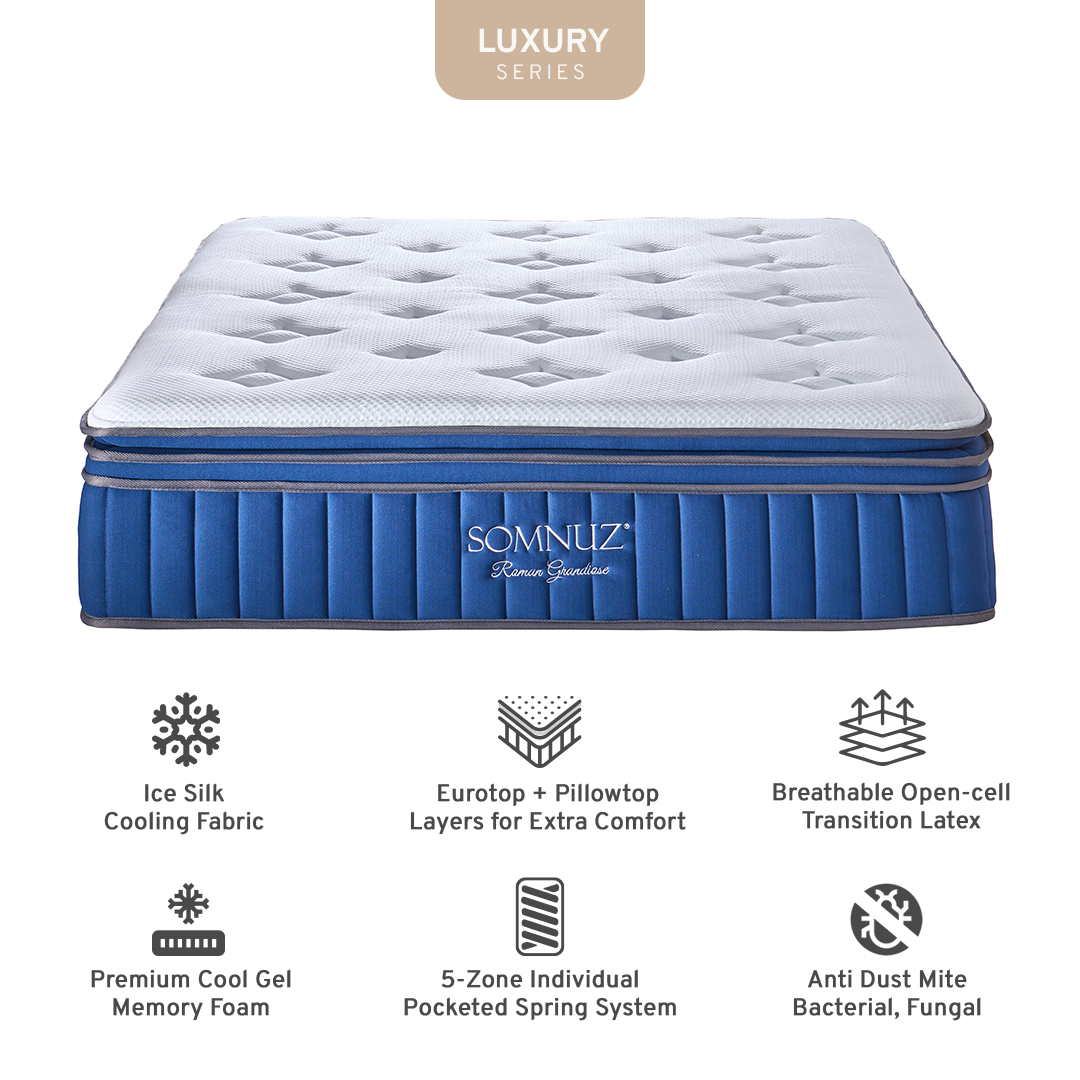
You can compare suitable options through the Somnuz mattress collection.
Choosing the Right Mattress Instead
If you were planning to stack mattresses because your current mattress feels uncomfortable, think about what the real issue is.
If it feels too firm, you may need more cushioning. A memory foam mattress may suit sleepers who like a cushioned, contouring feel.
If it feels too soft or unsteady, you may need more responsive support. A pocketed spring mattress may provide a more stable and supportive feel.
If you want cushioning with easier movement, a latex mattress may be worth comparing.
The best solution depends on your sleep position, room setup, heat preference, and whether you share the bed.
Think About Singapore’s Humidity
Stacking mattresses can trap heat and moisture between layers. This is especially important in Singapore, where humidity can make mattresses feel stale if airflow is poor.
If you temporarily stack mattresses, separate and air them regularly. Avoid placing damp bedding between them. Do not stack an old musty mattress under a new one, as this can affect freshness.
Use breathable bedding and keep the room ventilated. If your bed sits near a wall or on a solid platform, check for moisture build-up.
For more guidance on mattress care and fit, Sleep Well can help you understand sleep setup choices more clearly.
When Is Stacking Acceptable?
Stacking two mattresses may be acceptable for very short-term use, such as a one-night guest arrangement, as long as the setup is stable, dry, and safe. Even then, it should be checked carefully.
Avoid stacking if:
-
The mattresses slide
-
The bed becomes too high
-
The lower mattress is sagging
-
Either mattress smells musty
-
There are mould-like marks
-
The sleeper is a child or older adult who may have difficulty getting in and out
- The setup is used every night
For regular sleep, a proper mattress and base are the better choice.
Try a Better Setup in Person
If you are stacking mattresses because your bed no longer feels right, it may be time to review your full setup.
At a mattress showroom Singapore, you can compare mattress heights, comfort levels, support styles, and bed setups with calm guidance.
A mattress should feel stable, breathable, and supportive on its own. Stacking may seem like a shortcut, but a properly chosen mattress is usually the more comfortable long-term solution.
Frequently Asked Question
Can I stack two mattresses?
You can stack two mattresses temporarily, but it is usually not recommended for regular sleep. It can affect support, airflow, stability, and mattress durability.
Is it bad to put one mattress on top of another?
It can be. The top mattress may not receive proper support, and moisture may become trapped between layers, especially in humid Singapore homes.
Can stacking mattresses make a bed more comfortable?
It may feel softer at first, but it can also make the bed unstable or uneven. A topper or better mattress is usually a more practical solution.
Can I stack a new mattress on an old mattress?
It is not ideal. An old mattress may be sagging, stale, or uneven, which can affect the comfort and hygiene of the new mattress.
What should I do instead of stacking mattresses?
Use a proper bed base for height, a topper for surface comfort, or replace the mattress if it is no longer supportive.
Build a Stable Mattress Setup Instead of Stacking
Stacking two mattresses may seem convenient, but long-term comfort comes from proper support, airflow, and a mattress that works well on a suitable base.
Browse the Somnuz mattress collection to compare mattress options that offer comfort and support without stacking. Or visit our showroom for honest guidance on creating a sleep setup that feels stable, breathable, and right for your home.