

Can mattresses be recycled? In many cases, parts of a mattress can be recycled, but recycling a whole mattress is not always simple. A mattress is made from several materials, such as fabric, foam, latex, springs, padding, adhesives, and sometimes wood or other support components. These materials need to be separated before they can be properly reused or processed.
For Singapore homeowners, the question is often practical. An old mattress is bulky, difficult to move, and not something you can place in a normal rubbish chute. If you live in an HDB, condo, or landed home, you will need to think about collection, disposal rules, lift access, building management, and whether recycling is actually available for your mattress condition.
The most responsible approach is to first check whether your mattress can be reused, recycled, collected as bulky waste, or properly disposed of. If you are replacing it, this is also a good time to choose your next mattress more carefully, so it supports your comfort, lasts well, and suits Singapore’s humid climate.
Can Mattresses Be Recycled?
Yes, mattresses can often be partly recycled, but not always as one complete item. Different components may have different reuse or recycling potential.
A spring mattress may contain metal coils that can be separated and recycled. Foam layers may sometimes be processed for other uses, depending on condition and local recycling options. Fabric, padding, latex, and other materials may be harder to recycle if they are glued together, stained, damp, or contaminated.
This is why mattress recycling is more complicated than recycling paper, plastic bottles, or metal cans. A mattress has to be dismantled, sorted, cleaned, and processed. Not all facilities accept mattresses, and not every mattress is in a suitable condition for recycling.
A mattress is less likely to be recycled if it is mouldy, heavily stained, infested with pests, wet, torn, or badly degraded. In those cases, proper disposal may be the more realistic option.
Why Mattress Recycling Is Not Always Straightforward
Mattresses are designed to hold their structure for years. That makes them useful for sleep, but difficult to break down at the end of their life.
Several factors affect whether a mattress can be recycled:
-
The materials inside
-
Whether the mattress has springs
-
Whether foam and fabric are glued together
-
Whether it is clean and dry
-
Whether it has mould or pests
-
Whether local recycling services accept mattresses
-
Whether dismantling is available
- Whether collection can be arranged safely
For example, a clean spring mattress may have recyclable metal inside, but the surrounding fabric and foam still need to be removed. A foam mattress may have fewer metal parts but may be harder to recycle if the foam is old, damp, or contaminated.
This is why the question is not only “can mattresses be recycled?” but also “is this mattress suitable for recycling, and is there a local service that can handle it properly?”
What Should You Do With an Old Mattress in Singapore?
In Singapore, an old mattress is generally treated as a bulky item. The National Environment Agency advises contacting the Public Waste Collector serving your estate for bulky item removal, or engaging a licensed waste collector for removal services.
If you live in an HDB flat, your town council may offer bulky item removal services, but arrangements, limits, and terms can vary by estate. Some town councils state that households may request removal of a limited number of bulky items per month, while additional items may require private disposal arrangements.
If you live in a condo, check with your management office before moving the mattress to a disposal area. Condos often have their own rules for bulky item collection, service lift use, booking times, and disposal points.
If you live in a landed home, you may need to contact a licensed waste collector or private disposal service, especially for larger mattresses or bed frames.
Before arranging removal, check:
-
Whether the mattress needs to be wrapped
-
Whether collection must be booked in advance
-
Whether the bed frame is counted separately
-
Whether lift padding or service lift booking is needed
-
Whether the mattress has pest or mould concerns
- Whether the removal service offers recycling or disposal only
A little planning can make disposal much smoother, especially for queen and king mattresses.
Should You Donate or Reuse an Old Mattress?
Before recycling or disposal, ask whether the mattress is still suitable for reuse. A clean, dry, supportive mattress in good condition may be useful to someone else. However, donation or reuse should only be considered if the mattress is hygienic and comfortable enough for another person to sleep on.
Do not pass on a mattress that is:
-
Sagging
-
Mouldy
-
Musty
-
Heavily stained
-
Infested with pests
-
Torn or damaged
-
Damp
-
Uncomfortable
- Missing proper support
A good test is simple: would you confidently let a family member sleep on it? If not, it is better not to donate or give it away.
For lightly used guest mattresses, reuse may be possible. For old everyday mattresses that have lost support or freshness, responsible disposal is usually more appropriate.
When Recycling May Not Be the Right Option
Recycling sounds ideal, but it may not always be available or suitable. A mattress with hygiene concerns may not be accepted for recycling. If the mattress has bed bugs, mould, deep stains, or a strong odour, it may require special handling or disposal.
Singapore’s humid climate can make old mattresses harder to keep fresh. Over time, sweat, moisture, body oils, and dust can build up. If the mattress has been stored in a damp room or wrapped in plastic for too long, it may develop a stale or musty smell.
In these cases, the priority should be safe and responsible removal. Recycling is helpful when possible, but it should not come at the expense of hygiene or proper handling.
How to Make Your Next Mattress Last Longer
Once you remove an old mattress, the next step is choosing and caring for the new one wisely. A well-chosen mattress can serve your home better over time, reducing the need for early replacement.
Start with comfort and support. A mattress should suit your sleeping position, body type, and whether you share the bed. Side sleepers may prefer more cushioning. Back sleepers may prefer steadier support. Couples may need motion control and edge stability.
Breathability matters in Singapore. Humid weather can make a mattress feel warmer or less fresh if airflow is poor. Choose a mattress that suits local conditions and pair it with breathable bedding.
Simple care habits also help:
-
Use a breathable mattress protector
-
Wash bedsheets regularly
-
Air the mattress during sheet changes
-
Keep the room ventilated
-
Avoid placing the mattress directly on the floor
-
Check the underside every few months
-
Dry spills fully before covering the mattress
- Use a suitable bed base
Good care does not make a mattress last forever, but it can help it stay fresher and more comfortable for longer.
Choosing a Mattress With Long-Term Value
When buying a replacement, avoid choosing only by price or convenience. A mattress is used every night, so long-term comfort and durability matter.
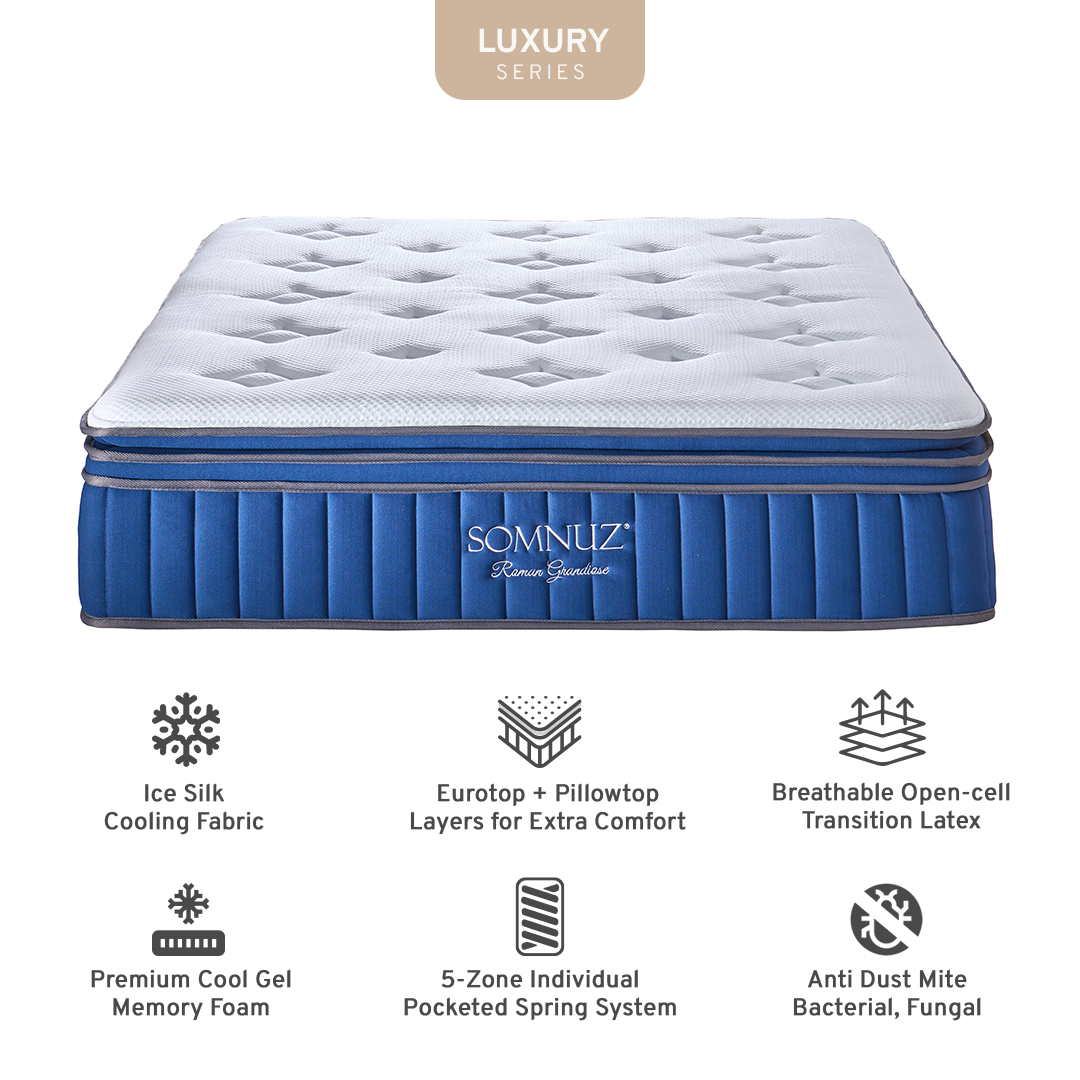
A pocketed spring mattress may suit sleepers who prefer responsive support and reduced motion transfer. A memory foam mattress may appeal to those who like a cushioned, contouring feel. A latex mattress may suit sleepers who prefer a buoyant and responsive surface.
If you are unsure which type suits you, compare options through the Somnuz mattress collection. The right mattress should support your everyday rest while fitting your home, room size, and climate.
For practical guidance on mattress comfort, fit, and care, Somnuz’s Sleep Well page can help you think through your options more clearly.
Replacing a Mattress Responsibly
A mattress replacement is a good time to review the full sleep setup. The old mattress may need proper disposal, but the new one should also solve the problems that made replacement necessary.
Ask yourself:
-
Was the old mattress sagging?
-
Did it feel too warm?
-
Was it difficult to keep fresh?
-
Did it transfer too much movement?
-
Did the size still suit the room?
-
Did the mattress support your current sleep position?
- Was the bed base suitable?
If you understand what went wrong with the old mattress, it becomes easier to choose better next time.
At a mattress showroom Singapore, you can try the range in person, compare comfort levels, and receive honest showroom guidance before deciding.
A mattress may not always be easy to recycle, but choosing carefully, caring for it properly, and disposing of it responsibly are all part of making a better long-term decision for your home.
Frequently Asked Question
Can mattresses be recycled?
Yes, parts of a mattress can often be recycled, such as metal springs, foam, or fabric components. However, the mattress usually needs to be dismantled and sorted first, and not every mattress is suitable for recycling.
Why are mattresses hard to recycle?
Mattresses are made from several materials joined together, including foam, fabric, springs, padding, and adhesives. These parts need to be separated before recycling, which makes the process more complicated.
Can I put an old mattress in the rubbish chute?
No. A mattress is a bulky item and should not be placed in a rubbish chute. Arrange proper bulky item collection or disposal based on your housing type.
What should I do with an old mattress in Singapore?
Check with your town council if you live in an HDB flat, your condo management if you live in a private apartment, or a licensed waste collector if you need private removal.
Can I donate an old mattress?
You can consider donation only if the mattress is clean, dry, supportive, and in good condition. Do not donate a mattress that is mouldy, stained, sagging, musty, or affected by pests.
When should I replace instead of trying to reuse a mattress?
Replace and dispose of the mattress if it is sagging, uncomfortable, mouldy, damp, deeply stained, or no longer supportive. A mattress should feel fresh and reassuring to sleep on.
Replace Your Old Mattress With Better Long-Term Comfort
Mattresses can sometimes be partly recycled, but the most practical choice depends on the mattress condition and the disposal options available in your estate or building. Good value comes from choosing a replacement mattress that supports your body, suits Singapore’s humid conditions, and lasts well with proper care.
Browse the Somnuz mattress collection to compare supportive mattress options for your next bedroom setup. Or visit our showroom for honest guidance on choosing a mattress that feels comfortable, practical, and right for your home.