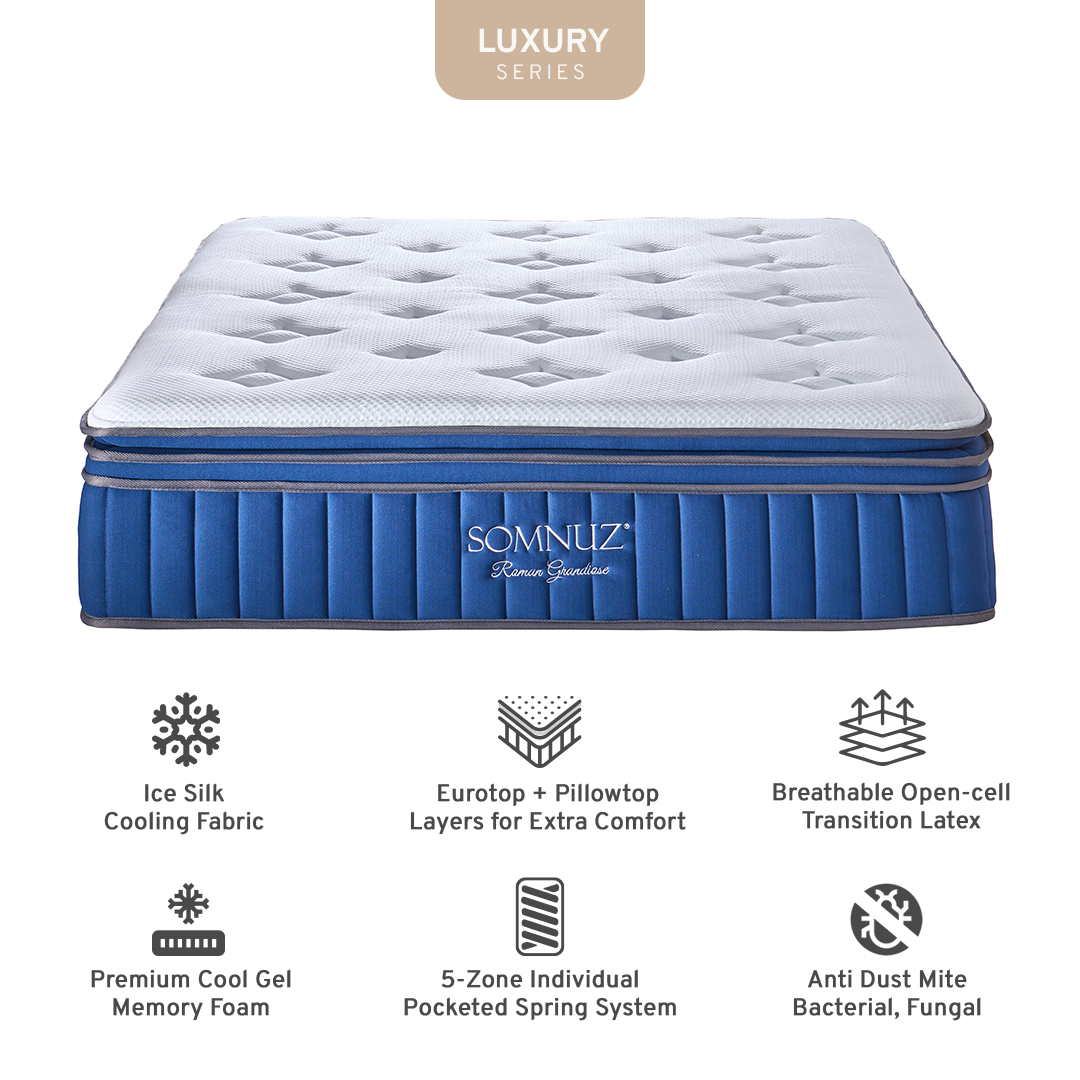


The phrase "chemical free mattress" appears often in mattress marketing, and it resonates with many people, particularly parents choosing a mattress for a child, or anyone who spends time thinking about what goes into their home environment.
The intention behind the search is completely understandable. You spend roughly a third of your life on your mattress, and wanting that surface to be as clean and safe as possible is a reasonable thing to care about.
What the phrase actually means in practice, however, requires a little more unpacking. This guide gives you an honest, clear picture of what to look for, what the certifications mean, and how to make a well-informed choice without getting lost in marketing language.
Is a Truly Chemical Free Mattress Possible?
The straightforward answer is no, not in an absolute sense. Everything is made of chemicals at a molecular level, including water, air, and natural materials like cotton and latex. A mattress described as chemical free is using the term loosely to mean low in synthetic additives, free from specific harmful substances, or made primarily from natural materials.
This does not mean the term is meaningless. It points towards something real and worth caring about. What matters is understanding which specific substances people are actually trying to avoid, and what genuinely indicates a cleaner, safer mattress.
The substances most commonly associated with concern in mattresses are volatile organic compounds (VOCs) from synthetic foams, flame retardants added to meet safety standards, adhesives used in construction, and pesticide residues in non-organic natural materials. A mattress that minimises or avoids these is a reasonable interpretation of what most people mean when they search for a chemical free option.
What to Look for Instead of the Phrase Itself
Rather than taking "chemical free" at face value, look for specific, verifiable indicators of lower chemical content.
Certifications That Mean Something
Certifications provide an independent verification of what a mattress is and is not made from. They require testing and ongoing compliance rather than just a marketing claim. The most widely recognised ones worth looking for are:
OEKO-TEX Standard 100 certifies that every component of the textile has been tested for harmful substances and meets safety limits. This applies to foams, covers, and other materials used in the mattress construction.
CertiPUR-US is specific to foam and certifies that the foam is made without certain flame retardants, heavy metals, formaldehyde, and other specified substances, and that VOC emissions are within defined limits.
GOLS (Global Organic Latex Standard) applies to natural latex and certifies that it meets organic standards from the plantation through to the finished product.
GOTS (Global Organic Textile Standard) applies to organic cotton and other textile components used in covers and comfort layers.
When a mattress carries one or more of these certifications, you have an independent basis for understanding what it does and does not contain, rather than relying on the brand's own description.
Natural Materials Worth Considering
Certain materials are associated with lower chemical content by their nature, particularly when sourced and processed responsibly.
Natural latex, derived from rubber tree sap, is one of the most commonly cited materials in cleaner mattress options. It is naturally durable, breathable, and resistant to dust mites. A latex mattress made from certified natural latex, particularly with GOLS certification, is a well-evidenced option for those prioritising lower synthetic content.
Organic cotton used in covers and comfort layers is another material associated with reduced chemical exposure, particularly when certified to GOTS standard. Non-organic cotton may carry pesticide residues from cultivation, which certified organic cotton avoids.
Wool, when used as a natural flame barrier in mattress construction, can reduce or eliminate the need for synthetic chemical flame retardants. Some mattresses use wool batting for this purpose, which is worth noting if flame retardant chemicals are a specific concern.
What About Memory Foam?
Memory foam is a synthetic material and does involve chemical processes in its production. However, foam quality and VOC content vary considerably between manufacturers. A memory foam mattress with CertiPUR-US certification has been tested to confirm it meets limits on specific harmful substances and emissions. This does not make it equivalent to a natural latex mattress in terms of material origin, but it does provide meaningful assurance about what it does not contain.
The off-gassing smell that some people notice with new foam mattresses, which fades within a few days to a few weeks, comes from VOCs released by the foam. A certified foam will have lower VOC emissions, and airing a new mattress before use is always a sensible step regardless of the materials involved.
Thinking About This in the Context of Singapore Homes
In Singapore, where bedrooms in HDB flats and condominiums are often relatively compact and ventilation may be more limited than in larger homes, the question of off-gassing and air quality in the bedroom is worth thinking about practically.
A new mattress of any type benefits from being aired in a well-ventilated space before use. Leaving it unwrapped in a room with open windows for a day or two before putting on a mattress protector and bedding is a straightforward step that reduces initial exposure to any new-mattress odour.
For children's bedrooms especially, where a child will spend many hours sleeping in close contact with the mattress surface, choosing materials with lower synthetic content or certified natural options is a considered approach that many parents find reassuring.
Singapore's humidity is also relevant. Natural materials like latex and organic cotton tend to breathe well, which helps manage moisture in a warm sleeping environment. A mattress that handles airflow well is not just more comfortable in the heat; it also stays fresher over time, which has its own hygiene benefits.
What "Chemical Free" Claims Cannot Tell You
It is worth being direct about the limits of this kind of marketing language.
A mattress labelled as chemical free, natural, or eco-friendly without a supporting certification is making a claim that you cannot verify from the label alone. Some brands use these terms loosely to imply a cleaner product without the independent testing that would back it up.
The presence of natural materials does not automatically mean the mattress is free from all synthetic additives. Construction adhesives, fire barrier treatments, and cover treatments can introduce substances even into mattresses made predominantly from natural materials.
This is not a reason for alarm. Most mattresses on the market, including those without natural certifications, are safe for everyday use. But if reducing synthetic chemical content is genuinely important to you, verifiable certifications are the most reliable guide rather than product descriptions alone.
Making a Confident Choice
For most people in Singapore looking for a cleaner mattress option, a few practical steps lead to a well-informed decision.
Look for relevant certifications on the materials used. Natural latex with GOLS certification, foam with CertiPUR-US, and covers with OEKO-TEX Standard 100 all provide meaningful, independent assurance.
Ask the brand directly about the materials in their mattress construction if the product page does not answer your questions clearly. A brand that can answer specifically and honestly is generally more trustworthy than one that uses broad natural positioning without substance behind it.
Consider your priorities honestly. If the primary concern is a child sleeping on the mattress, a certified natural latex option or a hybrid with certified foam and a natural cover is worth considering. If you are buying for a guest room that sees occasional use, the same level of scrutiny may not be necessary.
Visiting a showroom lets you ask these questions in person and get a clear, direct answer. At our mattress showroom in Singapore, you can discuss material details honestly and try the range in person before deciding. The Somnuz mattress collection includes options across different constructions, and the team can help you understand what suits your priorities without the pressure of making an immediate decision.
For more guidance on building a healthier sleep environment at home, the Sleep Well resource page covers useful considerations beyond the mattress itself.
Frequently Asked Questions
Is a chemical free mattress actually possible? Not in a completely literal sense, since all materials are composed of chemicals. The term is generally used to mean a mattress with lower synthetic additives, reduced VOC emissions, or construction from natural and certified materials. Certifications like OEKO-TEX, CertiPUR-US, and GOLS provide independent verification of what a mattress does and does not contain.
What certifications should I look for in a low-chemical mattress? OEKO-TEX Standard 100 covers harmful substances across all textile components. CertiPUR-US applies to foam and covers emissions and specific prohibited substances. GOLS applies to organic natural latex. GOTS covers organic textile materials including cotton covers. Any of these on the materials used is a meaningful indicator.
Is natural latex a good low-chemical mattress option? Yes, particularly when certified to GOLS standard. Natural latex is derived from rubber tree sap, is naturally durable and breathable, and does not require the synthetic processing associated with memory foam. It is one of the most commonly recommended materials for those prioritising lower chemical content.
Does memory foam off-gas harmful chemicals? All new foam mattresses can emit some VOCs initially, which is the source of the new mattress smell that fades over days to weeks. A foam with CertiPUR-US certification has been tested to confirm it meets emission limits for specific substances. Airing a new mattress before use in a well-ventilated room is a sensible precaution regardless of foam type.
Are chemical free mattresses better for children? Many parents choose natural or certified low-chemical options for children's mattresses as a precaution, given how much time children spend sleeping in close contact with the surface. Certified natural latex or foam with relevant certifications are both reasonable choices for a child's room.
How do I know if a mattress's chemical free claim is genuine? Look for independent certifications rather than relying on the brand's own descriptions. OEKO-TEX, CertiPUR-US, GOLS, and GOTS are the most widely recognised and require testing and ongoing compliance. If a mattress makes natural or chemical free claims without citing any certification, ask the brand directly about the specific materials used.
Find a Mattress You Can Feel Good About
Choosing a mattress with lower chemical content is a considered decision, and getting clear information before you buy makes the process much more straightforward.
Browse the Somnuz mattress collection to explore options across different constructions and materials. If you would like to ask specific questions about materials and certifications in person, visit our showroom in Singapore and get honest, practical guidance with no pressure to decide on the day.