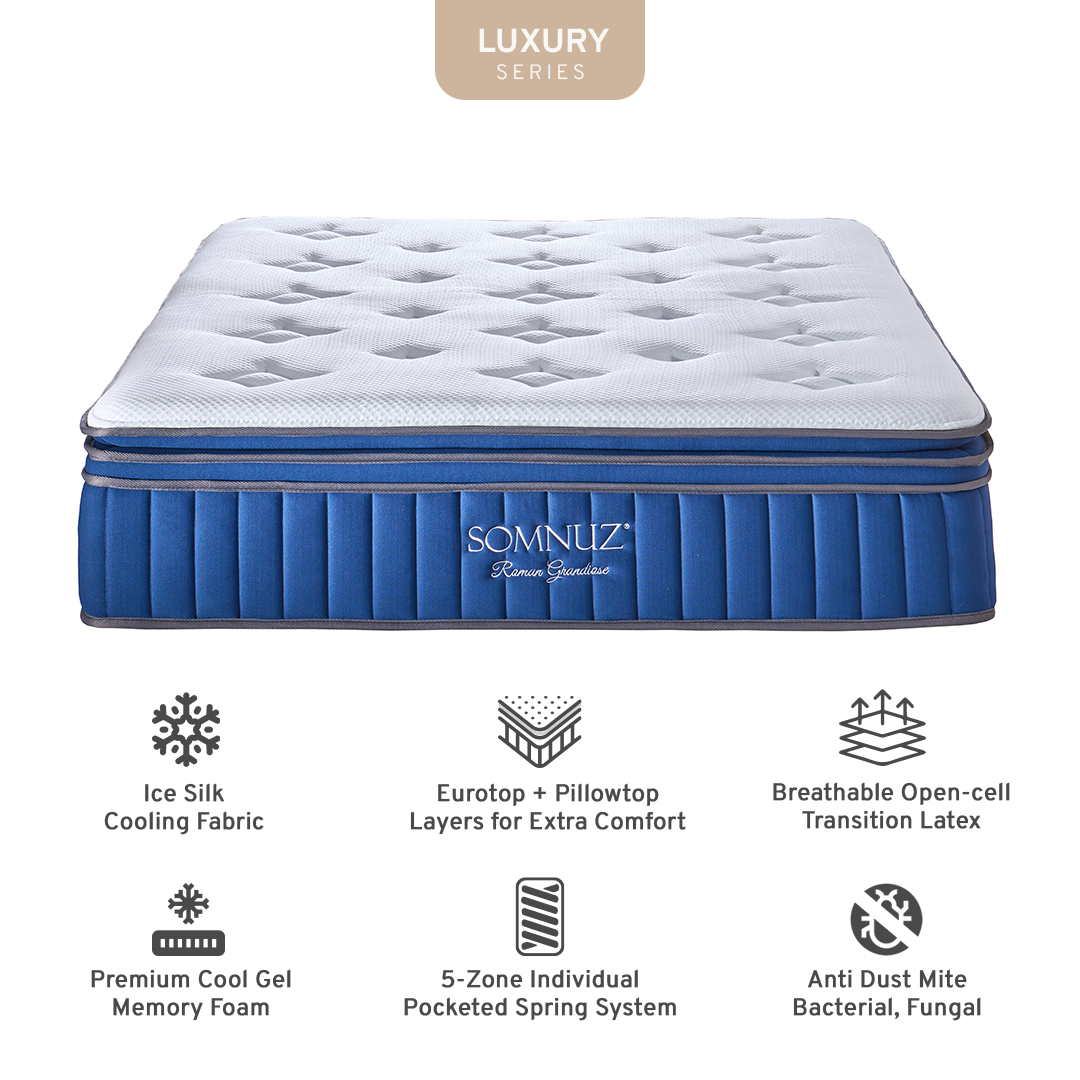


Sleep is not a passive part of childhood. It is when growing bodies rest, recover, and develop. And yet the mattress a child sleeps on often gets less thought than the bed frame around it or the bedding on top of it.
If you are choosing a child mattress in Singapore, this guide covers what genuinely matters, from firmness and materials to size and safety, so you can feel confident in your decision without being overwhelmed by options.
Why the Right Child Mattress Matters
Children spend more hours in bed than adults do. A young child might sleep ten to twelve hours a night, with afternoon naps on top of that. Over the years, that adds up to an enormous amount of time on a single mattress.
A mattress that supports a child's body well encourages comfortable, uninterrupted sleep. One that is too soft can allow the body to sink unevenly, which may cause discomfort over time. One that traps heat makes for restless, warm nights, particularly relevant in Singapore's humid climate.
Beyond comfort, durability matters too. Children are active sleepers. They roll, bounce, and generally put a mattress through more than an adult might. A well-made child mattress holds its shape and support through years of this, which is both better for the child and better value over time.
What Age Is This Guide For?
This guide focuses on mattresses for children roughly between the ages of three and twelve, once they have transitioned out of a cot. Infants and toddlers in cots have specific safety requirements that differ from older children, and this article does not cover that stage.
For children from around three years old onwards sleeping in a single or super single bed, the guidance here applies well regardless of where your child sits in that range.
Choosing the Right Firmness for a Child
Firmness is one of the most important factors in a child mattress, and it is also one of the most commonly misunderstood.
Many parents assume a softer mattress is more comfortable for a child. In practice, children generally benefit from a medium to medium-firm mattress. Their bodies are lighter than adults, so they do not need a very soft surface to feel pressure relief. A firmer surface actually provides more consistent support for developing bones and muscles, keeping the body in a comfortable, even position through the night.
As children grow into their teenage years and their body weight increases, their mattress needs may shift. A mattress that felt right at age five may be due for replacement by age ten or eleven, not just because of wear but because the child's sleep needs have changed.
Mattress Materials: Which Works Best for Children?
Pocketed Spring
Pocketed spring mattresses are a strong choice for children for several reasons. Each coil operates independently, which means the mattress responds to the child's movements without exaggerating them. This makes for a stable, supportive sleeping surface.
Pocketed spring mattresses also sleep cooler than foam options because of the natural airflow between the coils. In Singapore's warm and humid conditions, this is a genuine advantage. Children who tend to sleep warm will rest more comfortably on a mattress that breathes well. The pocketed spring mattress collection includes options suited to lighter sleepers including children.
Memory Foam
Memory foam contours closely to the body and distributes weight evenly. For children who sleep on their sides and notice pressure at the shoulders or hips, a quality foam mattress can be a comfortable option.
The main consideration in Singapore's climate is heat retention. Older, denser foam can trap warmth, so if you are considering foam for your child, look for options with open-cell construction or ventilated layers that allow heat to escape. The memory foam mattress range covers options with good breathability.
Latex
Latex is naturally resilient, breathable, and resistant to dust mites. For children with sensitivities or allergies, this makes it a practical and hygienic choice. It also holds its shape well over time, which is valuable given how actively children use their mattresses.
Latex tends to sit at a higher price point, but its durability and natural properties make it worth considering if these features are a priority for your family. Explore the latex mattress collection if you would like to learn more about this option.
What Size Mattress Does a Child Need?
Most children sleeping in a standard single bed use a mattress measuring approximately 91 cm by 190 cm. This size suits most children comfortably through their primary school years.
A super single, at around 107 cm by 190 cm, is worth considering for children who are already on the taller side, who move around a lot during sleep, or who are approaching their teenage years and will likely use the mattress for some time to come. The additional width gives more room to move without requiring a full queen-sized frame, which is useful in smaller HDB or condo bedrooms.
It is always worth measuring the bed frame first. Bed dimensions can vary, particularly with older frames, and an ill-fitting mattress is both uncomfortable and less supportive.
Hygiene and Practicality in a Child's Bedroom
Children's mattresses take more wear and occasional mess than adult ones do. A few practical features make life considerably easier.
A removable, washable cover is one of the most useful things to look for in a child mattress. Being able to wash the cover regularly keeps the surface clean and fresh, which matters both for hygiene and for the child's comfort.
Mattress protectors are also a sensible investment. A good waterproof protector shields the mattress from spills and accidents without affecting how the mattress feels to sleep on. Used alongside a washable cover, they significantly extend the useful life of the mattress.
In Singapore's humidity, breathability is not just about comfort. A mattress that allows airflow also resists the build-up of moisture over time, which is better for hygiene and helps the mattress stay fresh for longer.
How Long Should a Child's Mattress Last?
A well-made child mattress should hold its shape and support for around eight to ten years under normal conditions. However, it is worth reassessing the mattress as your child grows.
Signs that a mattress is due for replacement include visible sagging or indentations, noticeable softening in the support, or a child who begins to complain of discomfort on waking. Even before visible wear appears, a child's changing size and weight means their mattress needs may evolve over time.
Seeing the Options in Person
Choosing a child mattress online can be convenient, but it is sometimes helpful to feel the different materials and firmness levels before making a decision. Visiting a showroom lets you compare options side by side and get guidance from someone who can help you match the mattress to your child's needs and your bedroom setup.
The full Somnuz mattress collection covers a range of single and super single options in foam, spring, and latex, each suited to different sleeping styles and needs. If you would like guidance before choosing, you are welcome to visit our mattress showroom in Singapore where the team can walk you through the options calmly and without pressure.
FAQs
What firmness is best for a child's mattress?
Medium to medium-firm tends to suit most children well. Children are lighter than adults and do not need a very soft surface to feel comfortable. A firmer mattress provides more consistent, even support, which is generally better for developing bodies. As children grow heavier in their teenage years, their needs may shift and it is worth reassessing.
Is memory foam safe for children?
Yes, quality memory foam is safe for children who have moved out of a cot and are sleeping in a bed. Look for foam with good breathability to manage heat in Singapore's climate. Open-cell or ventilated foam is a better choice than older, denser foam options.
How often should a child's mattress be replaced?
A well-made mattress should last around eight to ten years. That said, if the mattress shows visible sagging, has softened noticeably, or your child has grown significantly and started to show signs of discomfort, it is worth considering a replacement sooner.
What mattress size is right for a primary school child?
A standard single (91 cm by 190 cm) suits most children through primary school comfortably. If your child is already tall, moves around a great deal at night, or you want a mattress that will last into their teenage years, a super single (107 cm by 190 cm) offers more room without taking up too much space in a typical HDB or condo bedroom.
Is latex a good choice for a child with allergies?
Natural latex has inherent resistance to dust mites and is a practical choice for children with sensitivities. It is also breathable and durable, which suits Singapore's climate well. If allergies are a concern, it is worth consulting with a health professional about what materials are most suitable for your child's specific situation.
Should I use a mattress protector on a child's mattress?
Yes, a waterproof mattress protector is a sensible addition to any child's bed. It shields the mattress from spills and accidents without affecting comfort, and it is much easier to wash a protector regularly than to clean the mattress itself. Used alongside a washable mattress cover, it helps keep the sleeping surface hygienic for longer.
Help Your Child Sleep Well
The right child mattress supports good sleep through the years your child needs it most. It does not need to be complicated. With a clear sense of the right size, firmness, and material for your child, the decision becomes much more straightforward.
Explore the Somnuz mattress collection to find single and super single options that suit your child's age, sleep style, and room. If you would prefer to see the range and get personal guidance, our team is on hand at our Singapore showroom to help you find the right fit for your family.