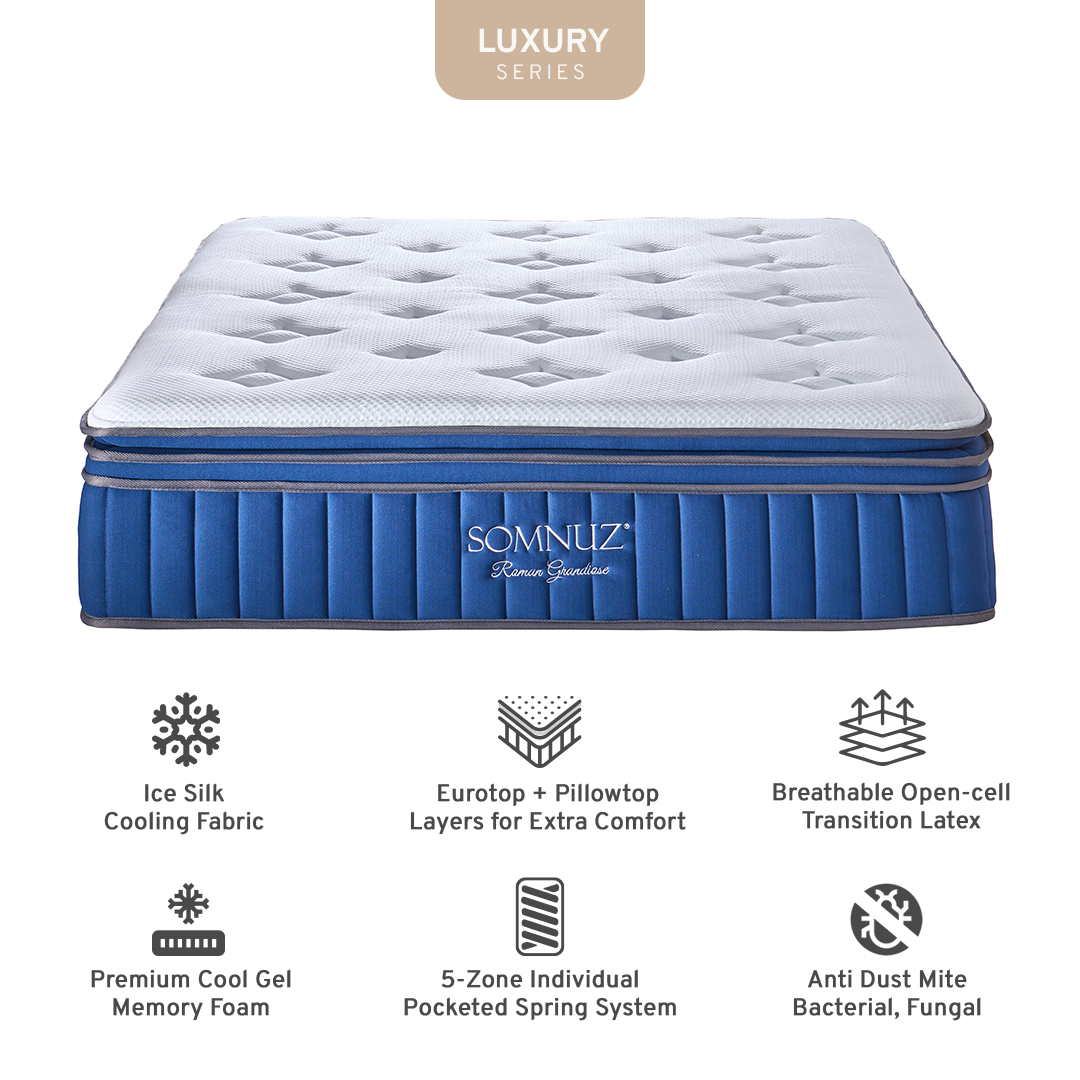


Choosing between foam and latex can be confusing because both materials are linked to comfort, support, and better rest. The real difference is not just what the mattress is made of. It is how the surface responds when you lie down, turn, share the bed, or sleep through a warm Singapore night.
The difference between foam and latex mattress comfort comes down to feel. Foam often gives a closer, more cushioned hug. Latex usually feels more responsive, lifted, and breathable. Neither option is right for everyone, so the better choice depends on your sleep style, comfort preference, body feel, and home environment.
This guide breaks down the difference in plain language, so you can compare both materials with more confidence before choosing your next mattress.
What Is The Main Difference Between Foam And Latex Mattress Comfort?
The main difference is how each material responds to your body.
Foam is usually slower to respond. It can mould closer around the body and create a cushioned feel. Latex responds faster, so it tends to feel springier and more lifted.
For shoppers comparing memory foam mattresses with latex mattresses, the key comfort differences are:
- Foam often feels softer, slower, and more contouring.
- Latex often feels bouncier, quicker, and more breathable.
- Foam may suit sleepers who like a snug, cushioned surface.
- Latex may suit sleepers who prefer easier movement and a lifted feel.
- Both can support comfort well when the firmness and design suit your body.
Comfort also depends on more than the material alone. Mattress thickness, firmness, cover fabric, support layers, and room temperature all affect how the mattress feels night after night.
How Foam Mattresses Feel When You Lie Down
Foam mattresses are often chosen by sleepers who like a surface that feels close, cushioned, and steady. The comfort can feel calm and settled, especially for people who prefer less bounce.
Closer Contouring And Softer Sink
Foam responds to weight and pressure. When you lie down, it can shape around areas like the shoulders, hips, and back. This creates a more body-hugging feel.
This may suit side sleepers or anyone who likes gentle cushioning around pressure points. It can also feel reassuring for sleepers who prefer a mattress that does not push back too quickly.
The trade-off is that some foam mattresses may feel warmer than latex, especially in humid rooms or with thick bedding. Better mattress design, breathable covers, and cooling layers can help reduce heat build-up, but the feel will still vary between models.
Foam may suit you if you prefer:
- A closer, more cushioned feel
- Less bounce when you move
- A mattress surface that feels more settled
- Stronger motion absorption for shared sleep
Motion Control For Shared Beds
Foam is often valued by couples because it can absorb movement well. When one person turns, gets up, or shifts position, the foam helps reduce how much movement travels across the bed.
This does not mean movement disappears completely. Mattress size, bed frame, body weight, and sleep habits still matter. Still, foam can be a practical option for couples who are easily disturbed by movement during the night.
For HDB and condo bedrooms where couples often share a queen or king mattress, this steady feel can make the bed feel calmer and less reactive.
How Latex Mattresses Feel Compared To Foam
Latex has a different comfort character. It is often chosen by sleepers who prefer a more responsive mattress with less of a sinking feel.
More Bounce And A Lifted Feel
Latex responds quickly when you move. Instead of slowly moulding around the body, it gives a gentle pushback. This can make the surface feel springier and easier to move on.
Sleepers who change positions often may appreciate this. Latex can help you turn without feeling stuck in the mattress. It may also suit people who dislike the deep hug of foam but still want comfort and support.
The feel is often described as lifted rather than sunken. This can make latex a good option for sleepers who want cushioning without too much body sink.
Breathability For Humid Singapore Nights
Singapore’s warm and humid climate can make heat build-up more noticeable. Latex is often preferred by sleepers who want a more breathable mattress feel because the material can allow air to move more easily through its structure.
This does not mean every latex mattress will feel cool in the same way. Cooling comfort also depends on the mattress cover, comfort layers, bedding, room ventilation, and air-conditioning habits.
For shoppers who place cooling high on their list, it may help to compare cooling mattress options for humid nights and check how each mattress balances airflow, support, and surface feel.
Latex may suit you if you prefer:
- A more responsive sleep surface
- Easier movement when turning
- A lifted feel with less sink
- Better airflow for warm nights
- A surface that feels resilient and steady
Foam Vs Latex Mattress Comparison For Daily Sleep Needs
Both foam and latex can support comfortable sleep, but they suit different preferences. The right choice depends on how you want your mattress to feel after several hours, not just during a quick test.
Use this simple guide before you compare Somnuz mattresses across firmness, support, cooling, and comfort layers.
|
Comfort Factor |
Foam Mattress |
Latex Mattress |
|
Feel |
Closer and more contouring |
More responsive and buoyant |
|
Body Sink |
More noticeable |
Less noticeable |
|
Movement |
Often absorbs movement well |
Easier to move on |
|
Cooling Feel |
Depends on foam and cover design |
Often more breathable |
|
Support Feel |
Cushioned and steady |
Lifted and resilient |
|
Best For |
Sleepers who like a hugging feel |
Sleepers who prefer bounce and airflow |
Foam may feel better for people who enjoy a softer, more embracing surface. Latex may feel better for those who want comfort without feeling too enclosed.
Firmness still matters. A firm foam mattress may feel steadier than a soft latex mattress. A softer latex mattress may still feel more responsive than a dense foam surface. Material gives the mattress its character, but firmness shapes the final comfort.
Which Mattress Material Suits Your Home And Sleep Routine?
Your mattress should fit how you sleep, who shares the bed, and the conditions in your bedroom. This is especially important in Singapore homes, where space, airflow, and shared sleeping arrangements can affect comfort.
For Couples Sharing A Bed
Couples often look for comfort that suits both partners. Foam may be helpful when one person wakes easily from movement. Its motion-absorbing feel can make the bed feel steadier.
Latex may suit couples who prefer easier movement and a livelier surface. This can be useful if one or both sleepers change positions often.
The best fit depends on the couple’s combined needs. One person may want softer cushioning, while the other wants firmer support. This is where mattress comparison and in-person guidance can make the choice clearer.
For HDB, Condo, And Landed Homes
HDB homeowners often need practical comfort that fits the room, supports daily use, and feels comfortable in Singapore’s climate. Foam can work well for a calm, cushioned feel, while latex may appeal to those who want more airflow and ease of movement.
Condo homeowners may look for a more refined sleep upgrade with comfort, cooling, and reduced partner disturbance. Latex, foam, and hybrid designs can each work depending on the desired feel.
Landed homeowners may be choosing mattresses for several bedrooms. Consistency, comfort range, delivery support, and after-sales care may matter more when buying for the whole household.
You can browse the Somnuz mattress collection to compare different materials and comfort levels before narrowing your options.
Difference Between Foam And Latex Mattress: Choosing With Confidence
The difference between foam and latex mattress comfort is easiest to understand when you focus on how each material feels.
Foam usually feels closer, slower, and more cushioned. It may suit sleepers who enjoy a gentle hug and want better motion absorption in a shared bed.
Latex usually feels quicker, springier, and more breathable. It may suit sleepers who prefer easier movement, less sink, and a lifted surface for warm nights.
Neither option is the right answer for every sleeper. Your best choice depends on your body, sleeping position, comfort preference, room climate, and how the mattress feels after more than a few minutes.
Online guides can help you understand the differences, but in-person testing can make the final choice clearer. Visiting a mattress showroom Singapore shoppers can access gives you the chance to compare foam, latex, firmness, and support with guidance from the Somnuz team.
Find The Mattress Feel That Suits You
Choosing between foam and latex becomes easier when you can compare how each material feels in real life. Somnuz helps you review supportive, breathable, and comfortable mattress options online, then try the range in person with calm guidance from the sleep team. Shop the collection, compare your options, and visit the showroom when you want clearer confidence before choosing.
Frequently Asked Questions
Is latex more comfortable than foam?
Latex is not automatically more comfortable than foam. It feels different. Latex usually feels more responsive and lifted, while foam feels closer and more cushioned. The better choice depends on what your body prefers.
Does foam or latex feel cooler in singapore?
Latex often feels more breathable because it can allow air to move more easily. Foam comfort depends on the foam type, cover fabric, cooling layers, bedding, and bedroom ventilation. In Singapore’s humid climate, these details can make a clear difference.
Which mattress is better for couples?
Foam may suit couples who want stronger motion absorption. Latex may suit couples who prefer easier movement and a more responsive surface. The right option depends on how both sleepers move, sleep, and respond to firmness.
Does latex feel firmer than foam?
Latex can feel firmer because it pushes back faster and has less sink. This does not mean all latex mattresses are firm. Foam and latex both come in different firmness levels, so the full mattress design matters.
How do i know which mattress feel suits me?
Start with how you like to sleep. Choose foam if you prefer a close, cushioned feel. Choose latex if you prefer bounce, airflow, and easier movement. Trying both in person can help you decide with more confidence.