

Choosing the right foam for mattress comfort can feel confusing at first. There are different foam types, firmness levels, cooling features, and mattress builds to compare.
Some foam feels soft and close. Some feels firmer and steadier. Some is used as the main mattress structure, while other foam layers are added above springs or latex to create extra cushioning.
For Singapore homes, the decision is not only about softness. Humid nights, shared sleeping spaces, room size, and long-term comfort all matter. A mattress should feel supportive enough for your body, breathable enough for your room, and practical enough for everyday use.
This guide explains what foam does in a mattress, how it affects comfort, and what to check before choosing one. The aim is to help you feel clearer and more confident before you buy.
What Foam Does In A Mattress
Foam helps shape the comfort, cushioning, and support feel of a mattress. It is often used in the upper layers, but some mattresses are built mainly from foam.
In simple terms, foam affects how your body settles into the mattress. It can make the surface feel softer, more cushioned, more contouring, or more stable, depending on the type and density used.
Foam can support different comfort goals, such as:
-
Cushioning around the shoulders and hips
-
A more settled feel when lying down
-
Reduced movement across the mattress
-
A quieter sleep surface
-
A smoother comfort layer above springs
A foam mattress may suit sleepers who enjoy a gentler surface feel. It may also suit couples who want to reduce partner disturbance when one person turns or gets out of bed.
However, foam is not automatically the right choice for everyone. Some sleepers prefer more bounce, stronger airflow, or a firmer lifted feel. That is why it helps to compare foam with other mattress types before deciding.
You can start with the wider Somnuz mattress collection to see how different mattress builds support different sleep preferences.
Types Of Foam For Mattress Comfort
Not all foam feels the same. The type of foam used can change how warm, cushioned, responsive, or supportive a mattress feels.
Memory Foam
Memory foam is known for its close-contouring feel. It responds to body weight and gently shapes around the sleeper.
This can feel comforting if you like a mattress that cushions the body. It may also help reduce movement from one side of the bed to the other, which can be useful for couples.
The trade-off is that some memory foam can feel warmer or less responsive. For Singapore’s humid climate, cooling details matter. Look for breathable covers, cooling gel, or foam designs that help manage heat build-up.
For a more focused explanation, you can read the memory foam mattress Singapore guide.
High-Density Foam
High-density foam is often used to add steadier support. It can help the mattress feel more stable and durable.
This does not always mean the mattress feels hard. It simply means the foam layer is designed to carry weight more evenly and support the comfort layers above it.
A foam mattress with supportive base layers may feel more balanced for daily use, especially if you do not want a mattress that sinks too deeply.
Foam Comfort Layers
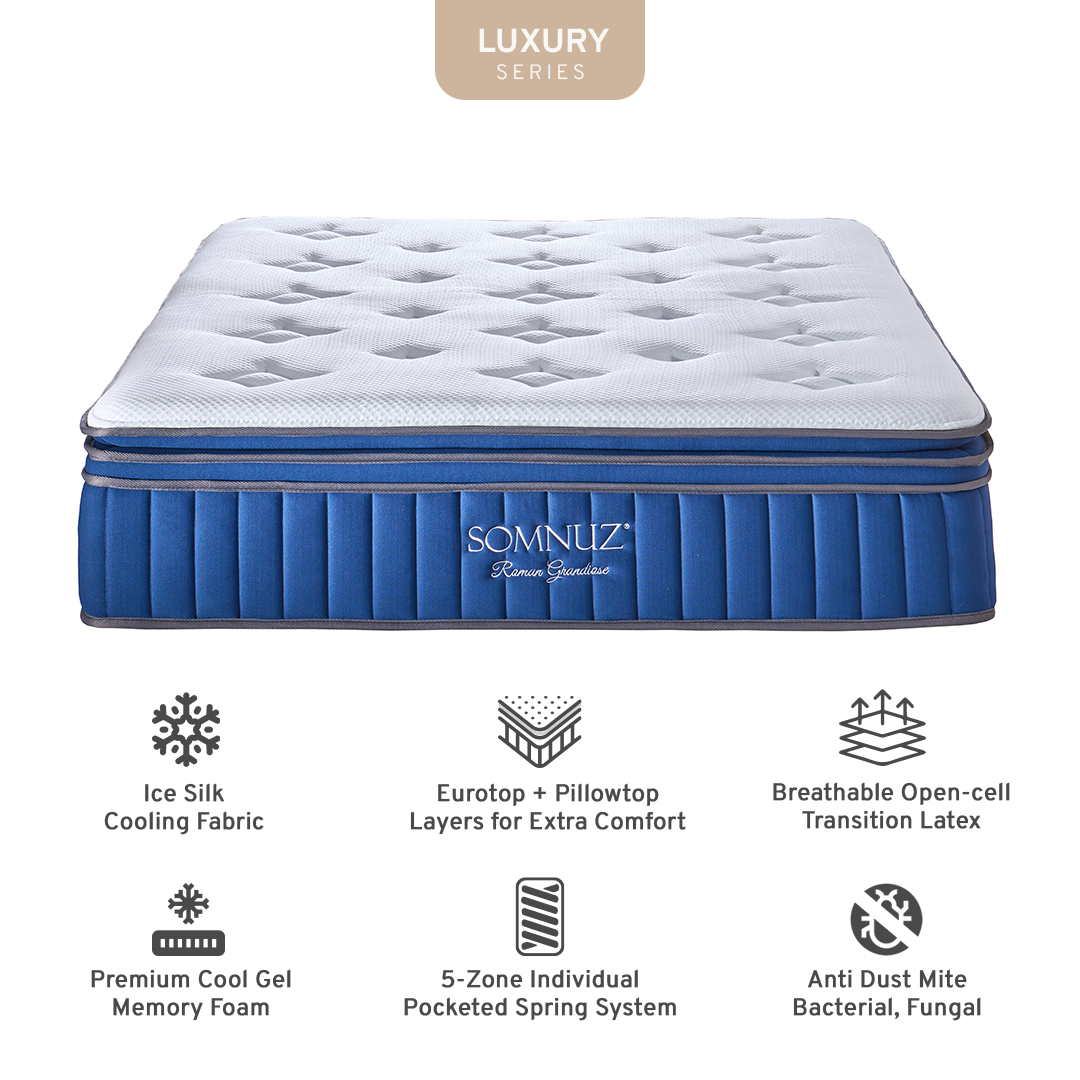
Many mattresses use foam as part of a layered design. For example, a pocket spring or hybrid mattress may include foam on top for cushioning and springs underneath for lift and support.
This can be a good middle ground if you like some softness, but still want a more responsive feel.
How Foam Affects Support, Cooling, And Movement
Foam for mattress comfort should be judged by how it feels in real sleep situations. Comfort is important, but support, breathability, and ease of movement matter too.
Support
Foam can support the body by spreading weight across the surface. A well-designed foam layer may help your shoulders, hips, and back feel more evenly cushioned.
But support is not the same as softness.
A very soft foam mattress may feel comfortable at first, but it may not suit sleepers who prefer a steadier surface. A firmer foam mattress may feel more supportive, but it should not feel harsh.
The right feel depends on your body, sleep position, and comfort preference.
Cooling
Cooling is especially important in Singapore. Foam can sometimes feel warmer because it sits closer to the body than a more open spring structure.
If you sleep warm, check whether the mattress uses breathable fabrics, cooling gel foam, or construction that helps reduce trapped heat. You may also want to compare foam with latex, hybrid, or pocket spring options.
The cooling mattress Singapore guide can help you understand how mattress materials and airflow affect sleep comfort in humid weather.
Movement Control
Foam is often helpful for reducing partner disturbance. Because it absorbs movement well, one sleeper’s turning may feel less noticeable on the other side of the mattress.
This can be helpful for couples, light sleepers, or families with young children who sometimes share the bed.
Still, not every foam mattress feels the same. A firmer foam surface may feel steadier. A softer foam surface may feel more cushioning. Testing both can help you notice the difference.
Foam Vs Spring, Latex, And Hybrid Mattresses
Foam is one option, but it is not the only one. Comparing it with other mattress types can make your decision easier.
Foam often feels more cushioning and close-fitting. Spring mattresses usually feel more lifted and responsive. Latex can feel buoyant and breathable. Hybrid mattresses combine different layers to balance comfort and support.
Here is a simple way to compare them:
|
Mattress Type |
General Feel |
May Suit You If You Prefer |
|
Foam |
Cushioned, contouring, quieter |
A softer or more settled surface feel |
|
Pocket Spring |
Lifted, supportive, more responsive |
Better airflow and steadier support |
|
Latex |
Buoyant, responsive, breathable |
A naturally springier comfort feel |
|
Hybrid |
Balanced, layered, supportive |
Cushioning with added lift and structure |
If you share a bed, pocket spring and hybrid options are worth comparing because they can support movement control while still offering more lift. You can learn more from the pocket spring mattress Singapore guide.
For a clearer side-by-side view of firmness, mattress type, thickness, and comfort features, use the Compare Our Mattresses page before narrowing your choice.
How To Choose Foam For Mattress Comfort In Singapore
Choosing foam for mattress comfort is easier when you think about your room, sleep style, and daily habits.
A mattress for a master bedroom may need to support two sleepers every night. A mattress for a guest room may need to feel comfortable for different body types. A mattress for a child or teenager may need to suit growth, support, and practical care.
Check Your Sleeping Position
Your sleeping position affects how foam feels.
Side sleepers may appreciate extra cushioning around the shoulders and hips. Back sleepers may prefer a more balanced feel that supports the lower back area without sinking too much. Stomach sleepers often need a steadier surface to avoid feeling dipped into the mattress.
Avoid choosing foam only because it sounds soft. Choose it because the overall mattress feel suits the way you sleep.
Think About Your Room Climate
In Singapore, many bedrooms can feel warm at night. This is especially true if you do not use air-conditioning throughout the night.
If heat is a concern, choose foam carefully. Look for breathable covers and cooling features. Also compare foam with spring or hybrid designs if airflow is a priority.
Consider Shared Sleep
For couples, foam can be helpful because it may reduce movement across the bed. This can make the mattress feel calmer when one person turns, wakes earlier, or moves more during sleep.
However, couples may have different firmness preferences. One person may want a soft surface, while the other prefers a firmer feel. In this case, comparison matters more than guessing.
Match The Mattress To Your Home
Foam can work well in HDB, condo, and landed home bedrooms, but the right mattress should still match the space.
Think about:
-
Mattress size and walkway space
-
Bed frame height
-
Room ventilation
-
Who will use the mattress daily
-
Whether the mattress is for a master room, guest room, or child’s room
This keeps the decision practical, not just comfort-led.
Foam For Mattress Buying Tips For Better Everyday Sleep
A good foam mattress should help you feel comfortable, supported, and confident in your choice. It should also fit your home and sleep routine.
Before buying, take time to compare the mattress feel properly. Lie down in your usual sleeping position. Notice whether the surface feels too soft, too firm, too warm, or too difficult to move on.
If you are shopping online, read the mattress details carefully. Look at the firmness rating, materials, thickness, cooling features, and support structure. Avoid choosing based on one feature alone.
If you are unsure, in-person comparison can be helpful. At the mattress showroom Singapore, you can test different mattress types, compare foam with other options, and ask the Somnuz sleep team for calm guidance based on how you sleep.
The right mattress does not need to be the most technical choice. It should simply feel supportive, comfortable, breathable, and suitable for your daily rest.
FAQs
What is the best foam for mattress comfort?
The best foam for mattress comfort depends on how you sleep. Memory foam may suit those who like a closer, cushioned feel. High-density foam may suit those who prefer steadier support. The right choice depends on firmness, cooling, body feel, and ease of movement.
Is foam good for a mattress in Singapore?
Foam can work well in Singapore, especially if you like cushioning and reduced movement. However, cooling matters in humid weather. Look for breathable materials, cooling foam, or compare foam with spring and hybrid options if you sleep warm.
Does foam make a mattress softer?
Foam can make a mattress feel softer, but not always. Some foam layers are designed for cushioning, while others are used for support. The final feel depends on the type of foam, density, thickness, and full mattress build.
Is foam better than pocket spring?
Foam is not always better than pocket spring. Foam usually feels more contouring and settled. Pocket spring often feels more lifted, breathable, and responsive. The better choice depends on your comfort preference and whether you prioritise cushioning, airflow, or movement ease.
Can couples use a foam mattress?
Yes, couples can use a foam mattress. Foam may help reduce partner disturbance because it absorbs movement well. Couples should still compare firmness and support together, especially if both sleepers have different comfort preferences.
Should I try foam mattresses before buying?
Trying foam mattresses in person can help you understand firmness, cooling, and movement more clearly. This is especially useful if you are comparing foam, pocket spring, latex, and hybrid mattresses for everyday sleep.