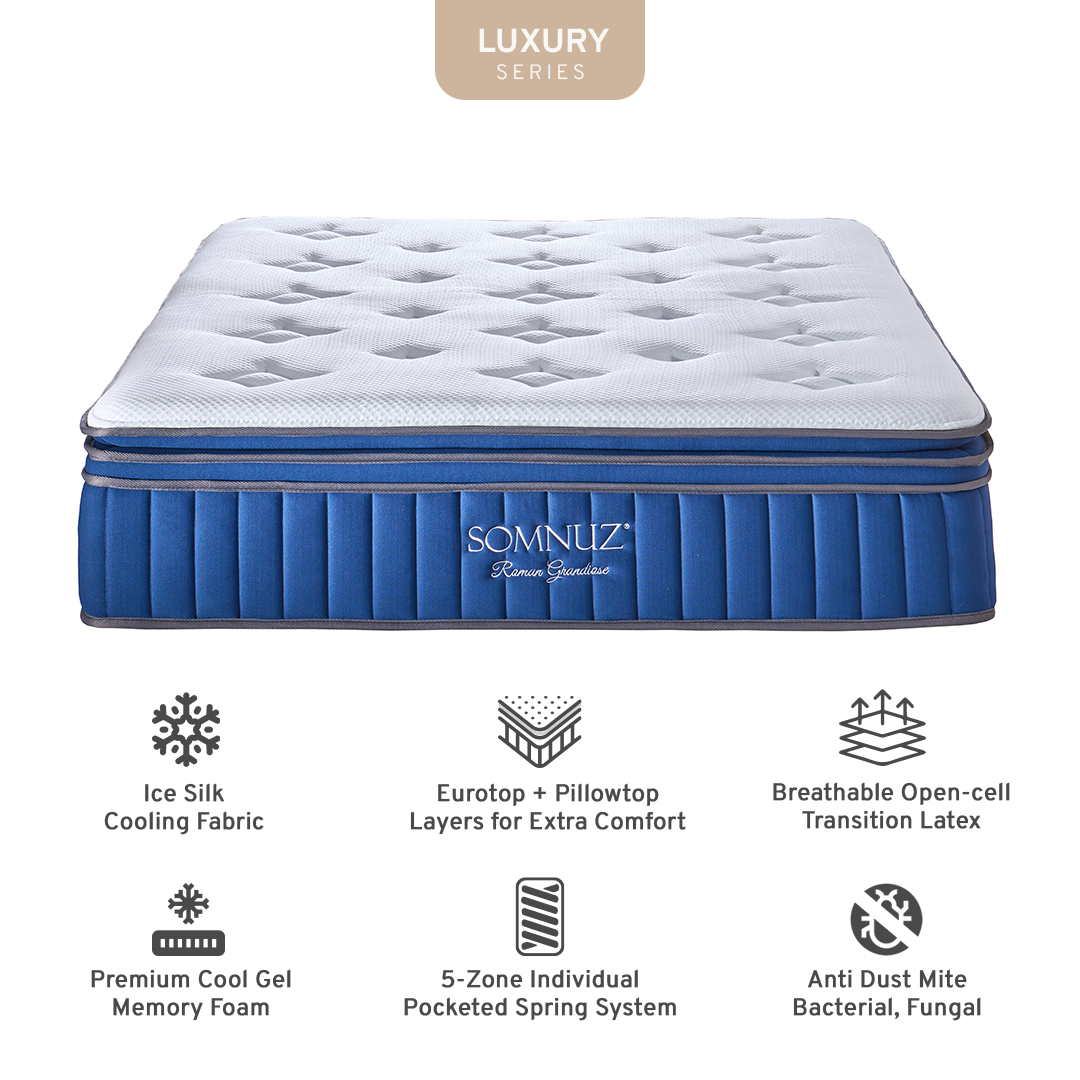


The phrase horizontal mattress suture can be confusing at first. It includes the word “mattress”, but it is not about bed mattresses, mattress seams, or sleep comfort.
A horizontal mattress suture is a medical stitch pattern used in wound closure. It is usually discussed by healthcare professionals when they need to bring wound edges together with steady support. Authoritative medical references describe it as one of several suture techniques, with use depending on the wound area, skin condition, and level of tension.
This guide explains the term in plain language. It is not medical advice, and it should not replace guidance from a qualified healthcare professional. If you have a wound, stitches, pain, swelling, bleeding, or concerns about healing, it is best to speak with a doctor or clinic.
For readers who landed here while looking for mattress stitching or mattress construction, we will also clarify the difference near the end.
What Is A Horizontal Mattress Suture?
A horizontal mattress suture is a type of stitch used to close or support a wound.
In simple terms, the stitch passes across the wound in a way that helps hold the skin edges together. It is called “horizontal” because of the direction and pattern of the stitch. It is called “mattress” because the stitch pattern can look a little like the way some mattress seams or quilting patterns cross and return.
It does not mean the stitch is used on a bed mattress.
A horizontal mattress suture may be used when a wound needs more support than a very simple stitch. Medical references note that horizontal mattress sutures may be considered for certain wounds under tension, some scalp wounds, parallel lacerations, or wounds with irregular or fragile edges.
The main idea is simple:
- it helps bring the wound edges together
- it can spread tension across a wider area
- it may help support skin that is harder to close neatly
- it must be placed and managed by a trained professional
The exact choice of stitch depends on the wound. That decision should always be made by a qualified healthcare provider.
Why Is It Called A Mattress Suture?
The name can sound unusual because most people hear “mattress” and think of sleep, comfort, and bedding.
In this case, “mattress” describes the stitch pattern, not the product you sleep on. A mattress suture loops through tissue in a way that can look structured and supportive, similar to how some stitched surfaces hold material together.
There are different types of mattress sutures. Two common terms are:
- horizontal mattress suture
- vertical mattress suture
Medical references describe mattress sutures as a category with horizontal and vertical subtypes. The difference is mainly about the direction and way the stitch is placed.
The Difference Between A Mattress Suture And A Bed Mattress
A mattress suture is a medical stitch.
A bed mattress is a sleep surface designed for comfort and support.
The two are not connected in function. A horizontal mattress suture does not describe mattress seams, mattress quilting, mattress edge stitching, or pocket spring construction.
This distinction matters because readers may search the term while trying to understand either a medical procedure or mattress workmanship. The words overlap, but the meanings are very different.
When Is A Horizontal Mattress Suture Commonly Used?
A horizontal mattress suture may be discussed when a wound needs steady support across the skin edges.
It is not used for every wound. Some wounds may be closed with simple interrupted sutures, adhesive strips, staples, tissue adhesive, or other methods. The right option depends on the wound, the location, the amount of tension, the skin condition, and the healthcare professional’s judgement.
Medical guidance lists several possible indications for horizontal mattress sutures, including certain wounds on the hand or fingers, some wounds under tension, parallel lacerations, and some scalp or irregular-edge wounds.
Helping Bring Wound Edges Together
One reason this stitch may be used is to help keep the wound edges together.
When skin pulls apart easily, a stitch that spreads tension may be useful. However, too much tension can also create problems, which is why placement matters.
Spreading Tension More Evenly
The stitch can help spread force across a wider area rather than placing all pressure on a small point.
This is one reason it may be considered for certain wounds where simple stitches could pull too tightly through the skin. Again, this is a clinical decision and not something to manage at home.
Supporting Areas Where Skin May Pull
Some body areas move more than others. Hands, fingers, joints, and the scalp can involve movement, thicker skin, thinner skin, or uneven wound edges.
A healthcare professional will look at these factors before choosing a closure method.
What Should You Know Before Comparing Suture Types?
Different suture types serve different purposes.
A horizontal mattress suture is only one option. It is not automatically better or worse than another stitch. The most suitable choice depends on the wound and the professional assessment.
Here is a simple comparison.
|
Suture Type |
Simple Meaning |
Common Purpose |
|
Horizontal mattress suture |
A stitch pattern that crosses the wound in a horizontal-style loop |
May help spread tension and support certain wound edges |
|
Vertical mattress suture |
A stitch pattern placed in a vertical-style path |
Often discussed for helping turn wound edges outward and support closure |
|
Simple interrupted suture |
Separate individual stitches placed one by one |
Commonly used for many straightforward wound closures |
MSD Manual provides separate procedural guidance for horizontal and vertical mattress sutures, which shows that they are distinct techniques used for different wound-closure needs.
The important point is this: suture choice should be made by someone trained to assess the wound properly.
Can A Horizontal Mattress Suture Affect Healing Or Scarring?
Any wound closure method can affect how a wound heals.
Healing can depend on many factors, including:
- where the wound is
- how deep or wide it is
- how much tension is present
- how clean the wound is
- how the stitch is placed
- how the wound is cared for afterwards
- individual skin response
Medical guidance notes that wounds under high tension may need careful tension management, and deep tension-relieving sutures may help reduce superficial tension in suitable cases.
A horizontal mattress suture can be helpful in the right situation, but it must not be tied too tightly. Over-tightening any stitch can put too much pressure on the skin. That is why wound closure should be handled by a healthcare professional.
Why Aftercare Instructions Matter
Aftercare is an important part of wound healing.
If you have sutures, follow the instructions from your doctor or clinic. These may include how to keep the area clean, when to change dressings, what activities to avoid, and when to return for review or suture removal.
When To Seek Medical Guidance
Speak with a healthcare professional if you notice:
- increasing pain
- spreading redness
- swelling
- warmth around the wound
- pus or unusual discharge
- bleeding that does not settle
- fever
- stitches that loosen or pull apart
- concerns about scarring or delayed healing
This article can help you understand the term, but it cannot assess your wound.
What This Term Means For Mattress Shoppers
If you were searching for mattress stitching, mattress seams, or mattress construction, it is helpful to know that horizontal mattress suture is not a mattress feature.
In bedding, stitching usually refers to how the mattress cover, border, quilting, or fabric layers are finished. This can affect appearance, structure, and how the mattress feels at the surface. It is separate from medical suturing.
When choosing a real mattress for your home, it is more useful to compare everyday comfort factors such as:
- firmness feel
- support level
- breathability for humid Singapore nights
- motion control for shared sleep
- edge support
- mattress height and room fit
- delivery and after-sales support
If you are comparing sleep surfaces, Somnuz makes it easier to compare mattress options clearly before deciding. You can also look at the pocketed spring mattress range if you want supportive comfort with breathable construction for everyday Singapore homes.
For a more guided path, you can find a mattress that fits your sleep needs based on comfort preference, support, and how you sleep.
Horizontal Mattress Suture Explained Simply
A horizontal mattress suture is a medical stitch pattern. It is used in wound closure and has nothing to do with the mattress you sleep on.
The term may sound confusing, but the meaning is straightforward once separated from bedding. In medicine, “mattress” refers to the stitch pattern. In sleep products, mattress quality is better understood through comfort, support, breathability, motion control, and dependable service.
If you were actually looking for a better mattress for your Singapore home, take your time to compare how different options feel. A mattress should suit your body, room, sleep habits, and comfort preference.
For more confidence, you can also visit our mattress showroom Singapore and try the range in person with calm, practical guidance from the Somnuz team.
Choose Mattress Guidance That Feels Clear And Reassuring
If your search was about sleep comfort rather than medical sutures, Somnuz can help you compare your options with more confidence.
Shop the Collection
View supportive and breathable mattresses designed for Singapore homes.
Compare Our Mattresses
Understand firmness, comfort layers, cooling features, and motion control in plain language.
Find Your Fit
Choose based on how you sleep, who shares the bed, and what kind of support feels right for you.
Visit the Showroom
Try the range in person and speak with our sleep team before making your decision.
Frequently Asked Questions
What is a horizontal mattress suture?
A horizontal mattress suture is a medical stitch pattern used to help close or support certain wounds. It is usually chosen by a healthcare professional based on the wound location, tension, and skin condition.
Why is it called a mattress suture?
It is called a mattress suture because of the way the stitch pattern loops through tissue. The word “mattress” describes the stitch style, not a bed mattress.
Is a horizontal mattress suture used for all wounds?
No. It is not used for every wound. Different wounds may need different closure methods, such as simple stitches, adhesive strips, staples, or other techniques. A qualified healthcare professional should decide what is suitable.
Does a horizontal mattress suture leave marks?
Any stitch can leave marks depending on the wound, skin type, tension, placement, and aftercare. If you are concerned about scarring, ask your doctor or clinic for guidance.
Is horizontal mattress suture related to mattress stitching?
No. A horizontal mattress suture is a medical term. Mattress stitching refers to fabric, cover, border, or quilting details on a bed mattress.
What should I compare if I was actually looking for a mattress?
Compare comfort feel, firmness, support, breathability, motion control, edge support, mattress size, delivery support, and after-sales service. These factors are more useful for choosing a mattress for your home.