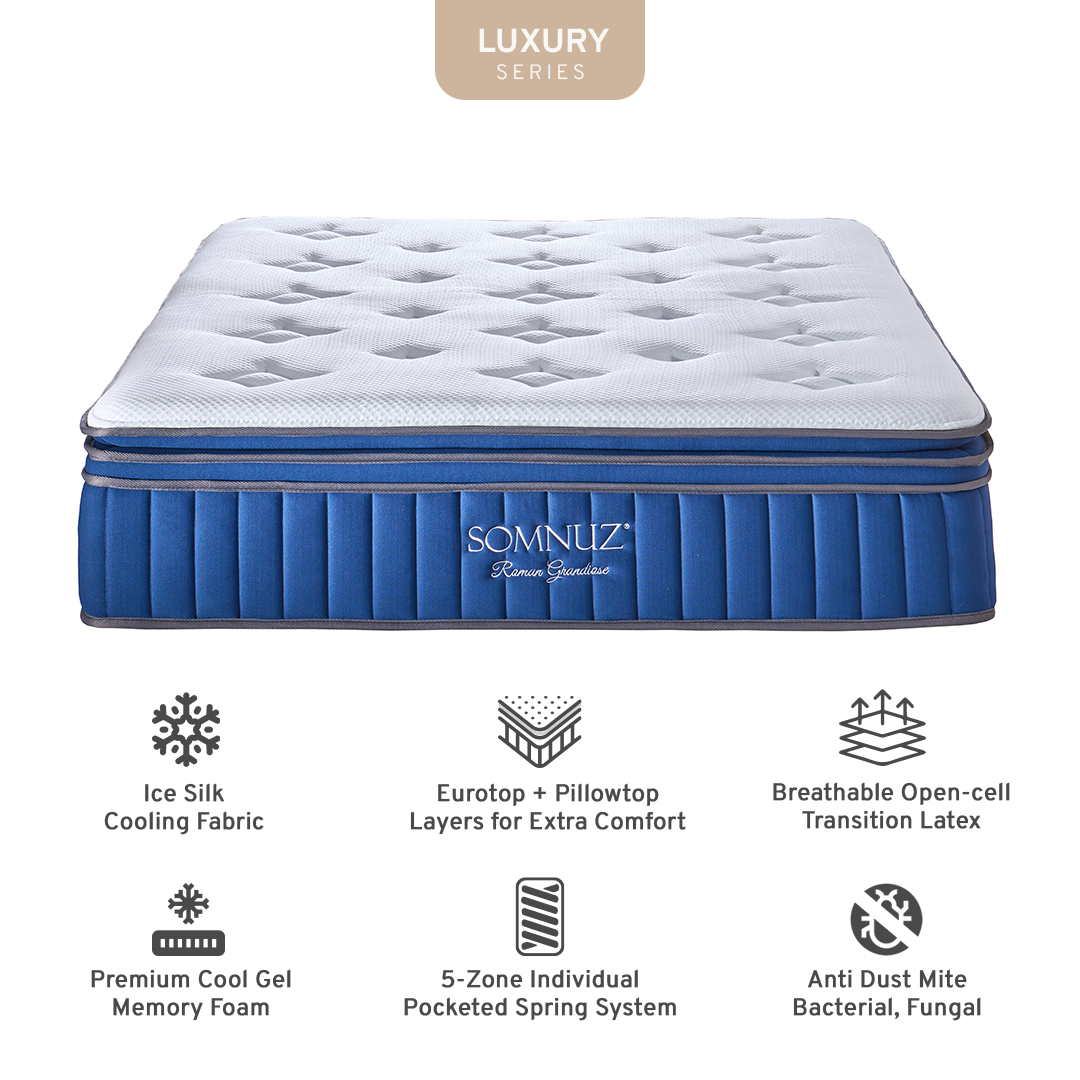


You have just set up your new mattress. The first night comes and goes. And instead of the restful sleep you were hoping for, things feel a little off. The surface is different. Your body feels unsettled. You find yourself wondering whether you made the right choice.
This experience is more common than most people realise, and for the vast majority of sleepers, it resolves naturally within a few weeks. Understanding why it happens, how long the adjustment period typically takes, and what to pay attention to along the way will save you a good deal of unnecessary worry.
Why a New Mattress Feels Different at First
When you sleep on the same mattress for years, your body adapts to it. Your muscles, your sleep posture, and even your sense of what feels comfortable all adjust to the specific surface you have been using, even if that surface has quietly deteriorated over time.
Switching to a new mattress, particularly one that is noticeably different in firmness, construction, or material, asks your body to recalibrate. Muscles that were used to compensating for an old, worn surface may feel more engaged on a supportive new one. A firmer mattress may create temporary awareness at pressure points like the hips and shoulders. A softer surface may feel unusual if you are used to sleeping on something much firmer.
None of this is a sign that something is wrong. It is the natural response of a body adjusting to a new sleep environment.
The mattress itself also goes through a short settling-in period. New foam and fibre layers soften slightly with initial use and reach their intended feel after a period of regular sleep. This is why a mattress that feels quite firm on delivery often feels more balanced and comfortable a few weeks in.
How Long the Adjustment Period Typically Takes
For most people, the adjustment period when getting used to a new mattress falls somewhere between two and six weeks. The majority of sleepers find that initial unfamiliarity settles within this window, and the mattress begins to feel more natural and comfortable.
A few factors influence where in that range you fall.
How different the new mattress is from the old one. If you have moved from a very soft, worn mattress to a firmer, well-supported surface, the contrast is significant and the adjustment may take longer. If the new mattress is similar in feel to what you had before, the transition tends to be smoother.
The type of mattress. Memory foam, pocketed spring, and latex all have distinct feels. Memory foam conforms closely and may feel quite different from a spring surface initially. Latex has a responsive, slightly springy quality that takes some getting used to if you have not slept on it before. A pocketed spring mattress tends to feel more familiar to most people, as it is closer to what many have grown up sleeping on.
Your own adaptability. Some people adjust quickly. Others take the full six weeks or a little beyond. Neither is unusual.
Whether the mattress was the right choice. It is worth distinguishing between normal adjustment and a mattress that genuinely does not suit you. More on that distinction below.
What Normal Adjustment Feels Like
Knowing what to expect during the first weeks on a new mattress helps you interpret your experience calmly rather than jumping to conclusions.
In the first few nights, it is common to be more aware of the surface than usual. You may notice the firmness more consciously, feel that your usual sleeping position does not settle as instinctively, or find that you wake briefly during the night when you would not normally do so.
By the end of the first week, most people begin to feel slightly more settled. The initial heightened awareness often fades as the body starts to adapt.
By two to four weeks, the mattress has usually reached its settled feel. Foam and fibre layers have adjusted to regular use, and the body has largely recalibrated its sense of what comfortable sleep feels like on this surface.
By six weeks, most people who have chosen a mattress that suits their sleep style and body type feel well adjusted and sleeping consistently.
It is worth noting that some light morning stiffness in the first week or two is not unusual when transitioning to a firmer, more supportive surface. If you have been sleeping on a worn, soft mattress for years, the muscles that support your posture may feel slightly engaged initially as they adjust to working the way they are meant to.
How Mattress Type Affects the Adjustment
Different mattress constructions can create different adjustment experiences, and knowing what to expect from the type you have chosen helps set realistic expectations.
Memory foam tends to have one of the more noticeable adjustment periods simply because its feel is so distinct. The way it conforms and responds to body heat is unlike a spring surface. Some sleepers find this immediately comfortable. Others need a few weeks to settle into it. Memory foam also retains more warmth than spring or latex, which can feel different initially, particularly in Singapore's humid climate. Choosing a model with good ventilation helps here.
Latex is responsive and slightly buoyant in feel. It does not have the slow conforming quality of memory foam, but it is more pressure-relieving than a standard foam. Sleepers accustomed to a firmer spring surface may find latex's give takes some adjustment. Natural latex also has a subtle natural scent when new that typically fades within a week or two.
Pocketed spring mattresses tend to feel the most familiar to the widest range of sleepers. The responsive, supportive surface is what most people associate with a comfortable bed, and the adjustment period for a well-matched spring mattress is often on the shorter end of the range.
If you are exploring different constructions and want to understand how each feels before committing, visiting our mattress showroom in Singapore is the most practical way to experience them in person and make a confident choice.
When to Be Patient and When to Pay Attention
Most of what you experience in the first few weeks on a new mattress is normal adjustment. But there are signs worth paying attention to that go beyond standard settling-in.
Discomfort that intensifies rather than eases over time. Normal adjustment involves a gradual settling into comfort. If the mattress feels consistently more uncomfortable as the weeks pass rather than more familiar, that trajectory is worth noting.
Persistent, significant pressure pain. Some initial awareness at the hips or shoulders on a firmer surface is normal for side sleepers, particularly in the first week or two. Sharp or persistent pressure pain that does not ease as the weeks progress may indicate the firmness is not well matched to your sleep style.
Waking feeling significantly worse than on your old mattress. A new mattress on which you wake with more discomfort than you experienced on a worn-out old one, consistently after the first two to three weeks, deserves attention. Some discomfort early on is expected. Consistent regression beyond the initial adjustment window is a different matter.
Poor sleep across six weeks or more. If after six to eight weeks the mattress still does not feel settled or comfortable, it is reasonable to seek guidance. Most quality mattress retailers will have a comfort period or trial window during which concerns can be addressed.
The key distinction is between the normal, temporary experience of adjustment and a mattress that is genuinely not suited to how you sleep.
Small Steps That Help You Adjust More Comfortably
There are things you can do during the adjustment period to support the process and help your body settle in more smoothly.
Give it consistent use. The body adjusts faster with regular exposure to the new surface. Sleeping on the new mattress every night rather than alternating with a sofa or spare bed gives the process the best chance.
Allow the mattress to settle. New mattresses benefit from a few days of regular use before reaching their intended feel. If the surface seemed quite firm on the first night, sleeping on it consistently for a week often makes a noticeable difference.
Check your pillows. A new mattress sometimes highlights that your pillows are no longer working well with your sleep position. Pillow height affects how the neck and shoulders sit, and the wrong pillow can create discomfort that is easy to attribute to the mattress when the combination is actually the issue.
Be patient with your body. If you have come from a very worn, soft mattress to a new, properly supportive one, your body may feel muscles more engaged than they have been in years. This is normal and typically eases within a couple of weeks.
FAQs
How long does it normally take to get used to a new mattress?
Most people adjust within two to six weeks. Some settle in faster, particularly if the new mattress is similar in feel to their previous one. Others take the full six weeks, especially when making a significant change in firmness or material type.
Is it normal to feel worse on a new mattress at first?
Some initial discomfort or unfamiliarity is normal, particularly in the first one to two weeks. What is less expected is discomfort that increases over time or persists well beyond the first few weeks. If that is happening, it is worth seeking guidance.
Does a new mattress need to be broken in?
Not in a formal sense, but new foam and fibre layers do soften slightly with initial use and settle into their intended feel after regular sleep. A mattress that feels quite firm on delivery often feels more balanced after two to four weeks of consistent use.
What if I still cannot get used to my new mattress after six weeks?
If after six to eight weeks the mattress still does not feel comfortable or settled, it is reasonable to contact the retailer. Most reputable mattress providers have a comfort or trial period. Raising concerns within that window gives you the best chance of a resolution.
Does mattress type affect how long adjustment takes?
Yes. Memory foam tends to have one of the longer adjustment periods due to its distinct feel. Pocketed spring mattresses are usually the most familiar and have a shorter settling-in window for most sleepers. Latex falls somewhere in between.
Can my pillow affect how I adjust to a new mattress?
Yes, more than many people realise. A new mattress changes the geometry of how you lie, which can highlight that your current pillows are no longer the right height or firmness. Adjusting your pillow alongside the mattress transition can make a meaningful difference to how comfortably you settle in.
Giving Your New Mattress the Best Start
A little patience goes a long way in the first weeks on a new mattress. For most people, the initial unfamiliarity settles naturally within a month, and the mattress begins to feel like the right choice.
If you are still in the process of choosing and want to reduce the adjustment period by finding something well matched to how you sleep from the start, explore the Somnuz mattress collection to compare different options, or visit our showroom to try the range in person. Getting the right fit from the beginning makes the whole experience easier, and our team is here to help you find it.