

Many people only think about replacing a mattress when it looks old. Still, the better question is how it feels night after night.
Your mattress may look fine from the outside, but it may no longer give the same support, comfort, cooling, or steadiness it once did. For Singapore homes, this matters even more because humid nights, shared sleeping spaces, and daily use can affect how fresh and supportive a mattress feels over time.
So, how often should you replace a mattress? Most people use age as a guide, but comfort should lead the decision. Your sleep routine, body support needs, room conditions, and mattress quality all play a part.
This guide explains the signs to check, what affects mattress lifespan, and how to choose your next mattress with more confidence.
How Often Should You Replace A Mattress?
Most mattresses are usually replaced after about 7 to 10 years, but this is only a general guide. Some may feel less supportive sooner, while better-kept mattresses may stay comfortable for longer.
The right time to replace your mattress depends on how well it still supports your body, how evenly it feels across the surface, and how comfortable it feels through the night.
Several factors affect how long a mattress lasts:
- Mattress material and construction
- Mattress quality
- How often it is used
- Body weight and sleep position
- Shared sleep with a partner
- Room heat and humidity
- Care habits, such as rotation and airing
- Changes in your comfort preference over time
For guest rooms, a mattress may last longer because it is used less often. For the main bedroom, especially in a shared HDB, condo, or landed home, daily use can wear down comfort layers faster.
Once the mattress no longer feels steady, comfortable, or fresh, it may be time to compare options in a trusted mattress collection and look for a better fit.
Signs Your Mattress May Need Replacing
Your mattress does not need to be badly damaged before you replace it. Small changes in comfort can build up over time and affect how rested you feel.
Here are the main signs to check.
The Mattress Feels Uneven Or Saggy
One clear sign is an uneven surface. You may notice dips where you usually sleep, raised areas around the edges, or soft spots that feel different from the rest of the mattress.
Sagging can affect how your body rests on the bed. Instead of feeling evenly supported, you may feel like you are sinking too much in one area.
Check for these signs:
- Visible dips or body impressions
- Soft spots that no longer spring back
- Uneven support from one side to the other
- Edges that feel weaker than before
- The middle of the bed feeling lower than the sides
Some light settling can happen with use, but deep dips usually mean the comfort layers or support system are no longer working as well as they should.
You Wake Up Feeling Less Supported
Your body and comfort needs can change over time. So can your mattress.
You may notice that your mattress feels too soft, too firm, or less balanced than before. This does not always mean the mattress is poor quality. It may simply mean it no longer suits how you sleep now.
For example, side sleepers may want more cushioning around the shoulders and hips. Back sleepers may prefer a steadier surface. Couples may need a mattress that supports two different sleep habits without feeling unstable.
Mattress support should feel steady and comfortable, not harsh or overly soft. When the support no longer feels right, replacement may be worth considering.
You Feel Warmer Than Before
Heat can build up more easily when mattress materials age, flatten, or stop feeling as breathable. In Singapore, this can be more noticeable because warm and humid nights are part of daily life.
Your room conditions, bedding, and airflow also matter. Still, if your mattress feels warmer than it used to, its materials may no longer give the same level of breathable comfort.
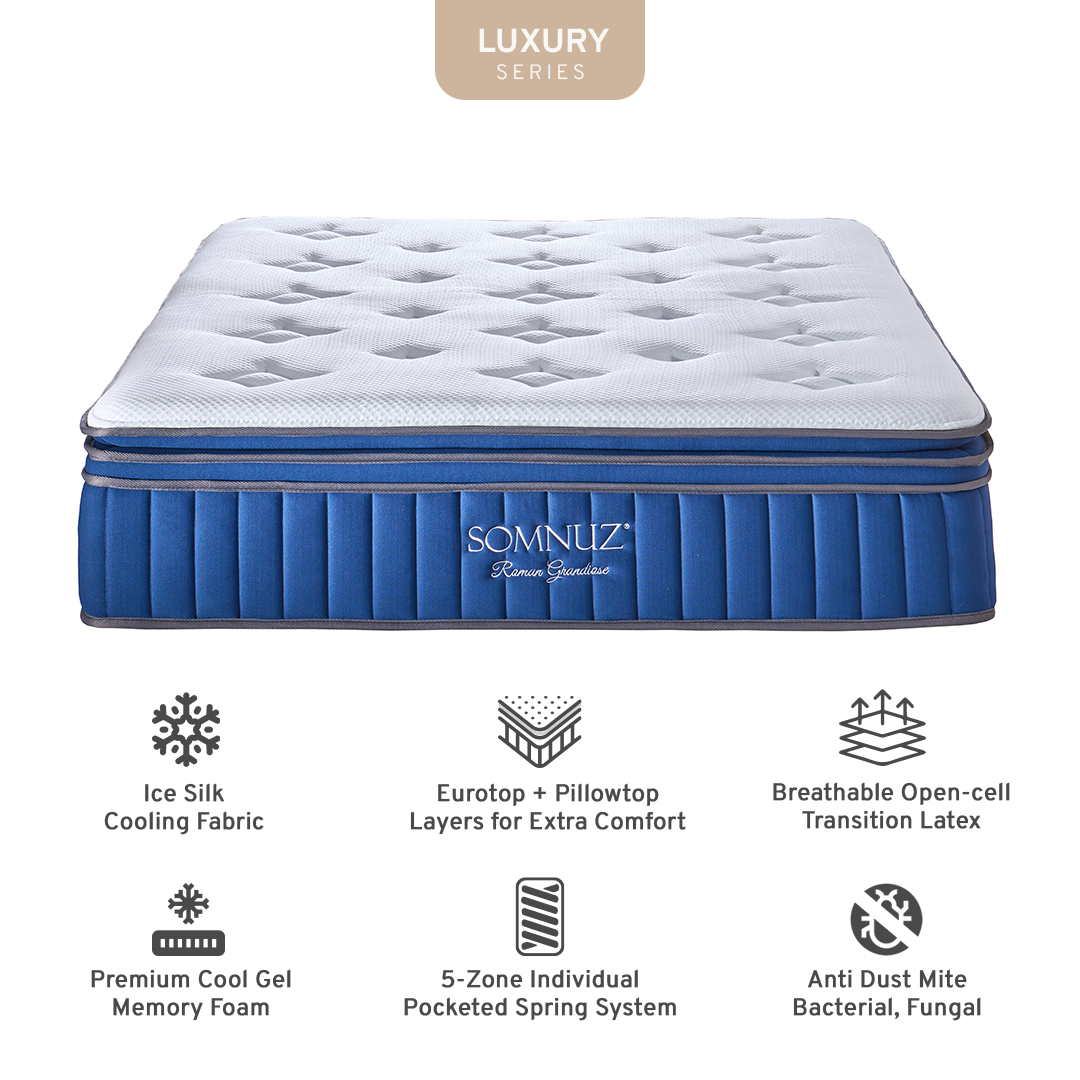
Sleepers who often feel hot may want to compare a cooling mattress Singapore option that is designed to help reduce heat build-up and support a more comfortable sleep surface on humid nights.
Movement Feels More Noticeable
For couples, mattress wear often shows up through movement. You may feel your partner turning, getting up, or shifting more than before.
This can happen when comfort layers soften or the support system becomes less stable. Motion control matters because it helps reduce movement from one side of the bed to the other.
Sleepers who share a bed may want to compare a pocket spring mattress Singapore option. Individually pocketed springs move more independently, which can help reduce partner disturbance and create a steadier shared sleep feel.
Why Mattress Age Is Not The Only Thing That Matters
Mattress age helps you estimate when to start checking for wear, but it should not be your only guide.
Two mattresses of the same age can feel very different. One may still feel even and supportive. Another may feel soft, warm, or unstable because it gets heavier daily use.
Your lifestyle can also affect mattress wear. A mattress in a couple’s bedroom works harder than one in a guest room. A family mattress may deal with more movement, sitting on the edge, or children climbing onto the bed. Humidity can also make care and ventilation more important.
Comfort preference also changes. A mattress that suited you five years ago may not suit your body, sleep position, or shared sleep needs today.
When replacing your mattress, look beyond age and ask:
- Does it still feel comfortable throughout the night?
- Does it support your body evenly?
- Does it feel too warm or less breathable?
- Does it disturb you when your partner moves?
- Does the size still suit your room and routine?
- Does the firmness still match your sleep preference?
You can also compare our mattresses to see how firmness, thickness, materials, and support features differ. This makes it easier to narrow your choices without guessing.
How Singapore Homes Can Affect Mattress Wear
Singapore homes have their own mattress concerns. Heat, humidity, room size, and shared sleeping spaces can all affect how a mattress feels over time.
In HDB and BTO bedrooms, space may be limited. A mattress that once felt right may no longer suit your room layout after a renovation, move, or change in household needs. Condo bedrooms may call for a mattress that feels more refined while still being practical for everyday use. Landed homes may need dependable comfort across more than one bedroom.
Humidity is another factor. A warm room with limited airflow may make a mattress feel less fresh. Regular care, breathable bedding, and proper ventilation can help, but an older mattress may still start to feel heavy, warm, or less comfortable.
When replacing your mattress in Singapore, check these points:
- Bedroom size and walkway space
- Bed frame height and fit
- Ventilation around the mattress
- Heat build-up at night
- Shared sleep needs
- Delivery access for your home type
- Long-term comfort for daily use
Replacement is also a good time to reassess mattress size. A queen bed may suit many couples, while a super single may work well for smaller rooms or single sleepers. Use a mattress size Singapore guide if you need to match comfort with room space more carefully.
What To Look For In Your Next Mattress
Replacing an old mattress gives you a chance to choose more carefully. Focus on what helps you sleep more comfortably in your own home, not just what sounds popular.
Support That Feels Steady
Good support should help your body feel balanced across the mattress. It should not feel like one part of the mattress is dipping too much or pushing back too hard.
Firmness and support are related, but they are not the same. Firmness is how soft or firm the surface feels. Support is how well the mattress helps keep your body rested in a stable position.
Some sleepers prefer a firmer feel. Others need more cushioning. The right choice depends on your body type, sleep position, and comfort preference.
Breathable Comfort For Humid Nights
For Singapore homes, breathable comfort is important. Materials that allow better airflow can help reduce heat build-up across the mattress surface.
This does not mean a mattress can remove all warmth. Room temperature, bedding, and airflow still matter. Still, choosing materials designed for cooling comfort can make warm nights feel more manageable.
Look for clear explanations of cooling features. The best guidance should tell you what the material does and how it may feel during use.
Reduced Partner Disturbance For Shared Sleep
For couples, a mattress should feel stable when one person moves. Motion-control features can help reduce the feeling of movement across the bed.
This is useful for light sleepers, different sleep schedules, or partners with different sleep positions. It may not remove every movement, but it can help create a calmer shared sleep experience.
Guidance Before And After Purchase
Mattress replacement can feel confusing because comfort is personal. Online details help, but in-person comparison can make the choice clearer.
Look for a brand that explains options simply, helps you compare comfort levels, and supports you beyond the sale. This matters when you are choosing for a main bedroom, a family home, or a long-term upgrade.
Replace Your Mattress With More Confidence
You do not need to wait until your mattress feels completely worn out. If it feels saggy, too warm, uneven, or less supportive than before, replacement may be the more practical choice.
A good replacement should suit your sleep style, room size, comfort preference, and local home conditions. For Singapore households, this often means looking for breathable comfort, steady support, and features that suit shared sleep.
The most confident choice usually comes from comparing options clearly. You can review details online, then visit our showroom to try the range in person and get guidance from the Somnuz sleep team.
Find Supportive Comfort With Somnuz
Shop the Collection to compare mattresses designed for supportive comfort, breathable sleep, and everyday confidence in Singapore homes. Compare Our Mattresses if you want clearer guidance on firmness, materials, and comfort feel before choosing. Visit the Showroom to try the range in person and speak with the Somnuz sleep team for calm, practical guidance.
Frequently Asked Questions
How often should you replace a mattress in Singapore?
Most people should start checking their mattress after about 7 years, but the right timing depends on comfort, support, and daily use. Singapore’s warm and humid climate can also make freshness and breathability more important over time.
Can a mattress last longer than 10 years?
Some mattresses can last longer than 10 years if they are well made, properly supported, and cared for. Still, age alone is not enough. If the mattress feels uneven, warm, or less supportive, replacement may be worth considering.
What are the clearest signs that a mattress is worn out?
Common signs include sagging, soft spots, uneven support, weaker edges, heat build-up, and more partner disturbance. You may also notice that the mattress no longer feels as comfortable as it used to.
Should couples replace a mattress sooner?
Couples may need to replace a mattress sooner because shared use adds more daily pressure and movement. If one partner’s movement becomes more noticeable, or the mattress feels uneven between both sides, it may be time to compare new options.
Does Singapore humidity affect mattress comfort?
Humidity can affect how fresh and breathable a mattress feels, especially in rooms with limited airflow. Proper ventilation, breathable bedding, and regular care can help, but an older mattress may still feel warmer or less comfortable over time.