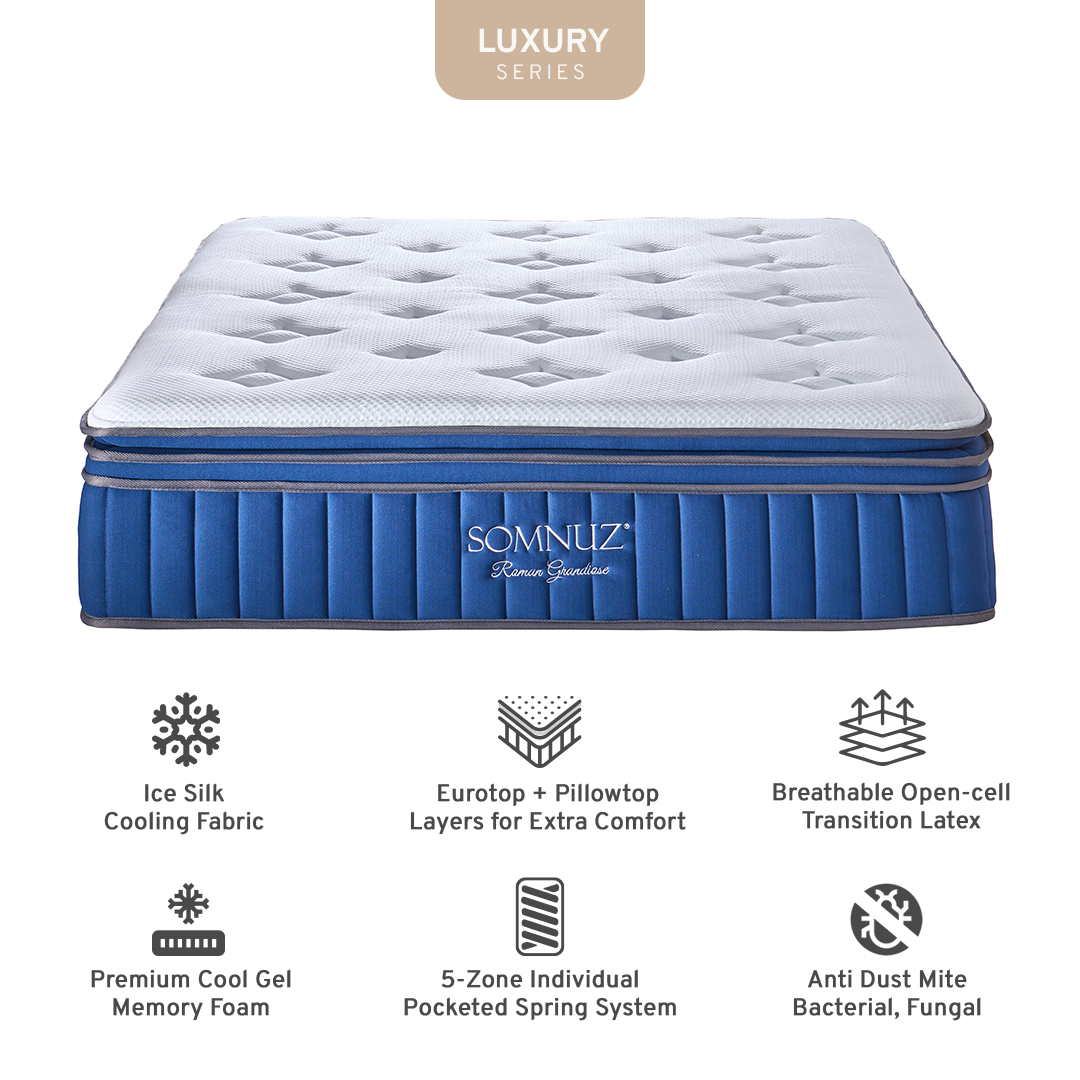


A mattress works quietly in the background of your daily life. You sleep on it every night, sit on the edge while getting ready, and may share it with a partner, child, or pet. Over time, these small habits can affect how the mattress feels.
That is why many people ask: how often should you turn your mattress? It is a simple care question, but the answer depends on the type of mattress you have, how it is built, and how often it is used.
For Singapore homes, mattress care also needs to consider humid weather, room ventilation, shared sleeping spaces, and compact HDB or condo layouts. A mattress in a main bedroom may need more regular care than one in a guest room. A queen or king mattress shared by two sleepers may also wear differently from a single mattress used by one person.
In this guide, we will explain what turning a mattress means, how often to do it, when not to flip it, and how to care for your mattress so it stays comfortable and supportive for longer.
What Does It Mean to Turn Your Mattress?
When people say “turn your mattress”, they may mean two different things: rotating or flipping.
Rotating means turning the mattress 180 degrees, so the head end becomes the foot end. The top side remains facing up.
Flipping means turning the mattress over completely, so the bottom side becomes the sleeping surface.
These two actions are not the same. Many modern mattresses are designed with specific comfort layers on top and support layers underneath. This means they should be rotated, but not flipped. If you flip a one-sided mattress, you may end up sleeping on the wrong side, which can affect comfort and support.
Before turning your mattress, always check the care instructions for your specific model. If the mattress is one-sided, rotate it only. If it is double-sided, it may be suitable for both rotating and flipping.
If you are comparing mattress types, browsing the Somnuz mattress collection can help you understand how different constructions are designed for comfort, support, and everyday use.
How Often Should You Turn Your Mattress?
As a general guide, many mattresses can be rotated every three to six months. This helps spread regular wear more evenly across the surface.
A new mattress may benefit from more regular rotation during the first few months, especially if you sleep in the same position every night. After that, rotating every few months is usually a practical routine.
You may want to rotate your mattress more often if:
- You sleep on it every night
- You share the mattress with a partner
- You sit on the same edge daily
- You notice one side softening faster
- You have a larger queen or king mattress
- The mattress is used in a humid room with limited airflow
- For a guest room mattress, rotation may not be needed as often because it is used less frequently. For a main bedroom mattress, regular care can help the surface feel more even over time.
The goal is not to overmanage your mattress. It is simply to help prevent one area from taking all the pressure night after night. A calm, steady routine is usually enough.
Should You Flip Your Mattress Too?
Not all mattresses should be flipped. This is one of the most important things to know before turning your mattress.
Many modern mattresses are built with a layered design. The top layer is made for comfort, cushioning, breathability, or pressure relief. The lower layers are made for support and structure. If you flip this kind of mattress, the comfort layers will no longer be where they should be.
You should only flip a mattress if the care instructions clearly say it is suitable for flipping.
Rotate, do not flip, if your mattress is one-sided
A one-sided mattress is designed to be slept on from one side only. For this type, rotate the mattress from head to foot, but keep the sleeping surface facing up.
This applies to many mattresses with memory foam, latex, pillow-top layers, or hybrid construction.
Flip only if the mattress is double-sided
A double-sided mattress is designed with usable comfort layers on both sides. These mattresses may be flipped and rotated, depending on the care guide.
If you are unsure, it is safer to check before flipping. Using a mattress the wrong way may make it feel less comfortable and may affect how it supports you.
Why Turning Your Mattress Matters
Turning your mattress helps spread out everyday use. Most people naturally sleep in the same area each night. Couples often sleep on their own side of the bed. Over time, these repeated pressure points can create uneven wear.
Rotating the mattress helps different areas take turns supporting your body. This may help the mattress feel more consistent across the surface.
It helps reduce uneven softening
Comfort layers can settle with regular use. Rotating the mattress helps prevent one section from softening much faster than the rest.
This is especially helpful if you sleep in one fixed position or if one sleeper is heavier than the other.
It supports shared sleep
For couples, a mattress has to respond to two different bodies and sleep habits. One person may move more often. One side may be used more heavily. A regular rotation routine can help keep the surface feeling more balanced.
A pocketed spring mattress can also support shared sleep well because the springs move more independently. This can help reduce movement from one side of the bed to the other, which may feel more comfortable for couples.
It helps the edges wear more evenly
Many people sit on the same edge of the bed every morning. Over time, that edge may soften faster than the rest of the mattress.
Rotating your mattress helps change which part of the edge gets used most often. This can support a steadier feel across the mattress.
It helps you notice changes earlier
When you rotate your mattress, you also get a chance to check it. You may notice dips, stains, uneven areas, or changes in support sooner. This makes it easier to care for the mattress before small issues become more noticeable.
How Mattress Type Affects Turning and Care
Different mattress types need different care. The safest approach is to follow the mattress care guide, but it helps to understand how common materials behave.
Pocketed spring mattresses
Pocketed spring mattresses use springs that respond more independently across the surface. They can be a practical choice for couples because they support movement control and a more stable sleep feel.
Most pocketed spring mattresses should be rotated regularly to help the surface wear evenly. Whether they can be flipped depends on the specific design. If the mattress has comfort layers on one side only, it should not be flipped.
Memory foam mattresses
A memory foam mattress usually has a more cushioned, contouring feel. The foam responds to body weight and can create a closer sleep surface.
Memory foam mattresses are often one-sided. This means they should usually be rotated, not flipped. Rotating can help prevent one area from carrying the same pressure every night.
Latex mattresses
A latex mattress often feels more responsive and buoyant. Latex can also support airflow, which may feel suitable for Singapore’s humid weather.
Latex mattresses may be heavy, so rotating them can be easier with two people. As with other mattress types, check whether your latex mattress is one-sided or double-sided before flipping.
Hybrid mattresses
Hybrid mattresses combine different materials, often springs with foam or latex comfort layers. Because they are usually layered for a specific top-side feel, many hybrid mattresses should be rotated but not flipped.
This type of mattress may offer a balance of support, cushioning, and breathability, making it suitable for many Singapore households.
Mattress Care Tips for Singapore Homes
Turning your mattress is only one part of good mattress care. In Singapore, where the weather is warm and humid, a few simple habits can help your sleep setup feel fresher and more comfortable.
Keep the room ventilated
Good airflow helps reduce trapped moisture around the mattress. Open windows when suitable, use a fan, or keep the room well ventilated after sleeping.
If you use air-conditioning at night, it still helps to air the room during the day when possible.
Use breathable bedding
Heavy bedding can make a bed feel warmer. In Singapore’s climate, breathable sheets and lighter layers often feel more comfortable for everyday use.
If you want extra softness without making the bed feel too heavy, consider flexible layers such as throws and blankets that can be added only when needed.
Use a suitable bed base
A stable base helps your mattress feel properly supported. If the base is uneven or weak, the mattress may wear unevenly even if you rotate it regularly.
Some households may also consider an adjustable bed for reading, resting, or changing position in bed. If you use one, make sure your mattress is suitable for an adjustable base.
Keep the mattress clean and dry
A mattress protector can help guard against spills and everyday moisture. It is also helpful to clean bedding regularly and allow the mattress surface to breathe when changing sheets.
Small care habits can make your mattress feel more comfortable and easier to maintain.
When Turning Your Mattress Is Not Enough
Rotating your mattress can help with even wear, but it cannot fix every issue. If the mattress has lost support or developed deep sagging, turning it may only move the problem to another area.
It may be time to consider a new mattress if:
- There are visible dips that do not recover
- The surface feels uneven after rotation
- The edges feel weak or unstable
- You feel less supported than before
- Partner movement feels more noticeable
- The mattress feels too warm or less fresh despite good care
- Your comfort needs have changed
A mattress should help your body feel comfortably supported in your usual sleeping position. If you keep adjusting your position to avoid soft spots, the mattress may no longer suit you.
For broader comfort and fit guidance, Somnuz’s Sleep Well page can help you compare sleep needs, comfort preferences, and mattress choices more clearly.
Try a Mattress in Person When It Is Time to Replace
If turning your mattress no longer improves comfort, trying a new mattress in person can help you decide with more confidence.
A showroom visit lets you compare firmness, surface cushioning, edge support, and movement control. This is especially helpful if you share the bed, sleep warm, or are unsure whether you prefer a softer, firmer, or more balanced feel.
You can visit our showroom for calm, practical showroom guidance and try the range in person before choosing. If you prefer a more mattress-focused shopping experience, our mattress store Singapore page can also help you learn more about local support.
Choosing a new mattress should feel clear, not rushed. With the right guidance, you can find a mattress that suits your room, your routine, and the way you sleep.
FAQs
How often should you turn your mattress?
As a general guide, many mattresses can be rotated every three to six months. This helps spread wear more evenly. Always check your mattress care instructions, as some mattresses may need different care.
Is turning the same as flipping a mattress?
No. Turning usually means rotating the mattress from head to foot. Flipping means turning the mattress over so the bottom becomes the top. Many modern mattresses should be rotated, not flipped.
Should I flip my mattress every few months?
Only flip your mattress if it is designed to be double-sided. Many modern mattresses have comfort layers on top and support layers underneath, so flipping them may affect comfort and support.
Can turning my mattress make it last longer?
Turning your mattress can help spread normal wear more evenly. It may help the mattress feel more consistent for longer, but it cannot fix deep sagging, weak edges, or loss of support.
Do couples need to turn their mattress more often?
Couples may benefit from regular rotation because two sleepers can create uneven wear over time. This is especially useful if one side of the mattress is used more heavily than the other.
What should I do if my mattress still feels uneven after turning it?
If your mattress still feels uneven after rotation, check for sagging, soft spots, or weak edges. If the mattress no longer feels supportive, it may be time to compare replacement options.