

Finding bed bugs on your mattress can feel unsettling, especially when your bedroom is where you expect to feel most at ease. The good news is that you can take clear steps to control the problem, protect your sleep space, and decide calmly if the mattress can be kept.
Bed bugs are not a sign of a poorly kept home. They can enter through luggage, second-hand furniture, clothes, or shared spaces. In Singapore, where many homes have compact bedrooms and shared sleeping spaces, the main concern is stopping them early before they move into bed frames, headboards, skirting, curtains, or nearby furniture.
This guide explains how to clear bed bugs from mattress surfaces, what to clean first, when to call pest control, and when replacing the mattress may make more sense.
Spot the Signs Before You Start Cleaning
Start with a careful check. Bed bugs hide well, so do not rely only on bites. Bites can look different from person to person, and some people do not react at all.
Check the mattress in good light. Look closely at seams, piping, labels, corners, tufts, and the side facing the wall. Also check the bed frame, headboard, bedside table, skirting, curtains, and the floor around the bed.
Use a torch and look for:
- Live bugs, usually small, flat, and brownish
- Tiny pale eggs or eggshells in seams or cracks
- Dark spots that may look like ink marks
- Reddish-brown stains from crushed bugs
- Shed skins near seams or bed corners
- Sweet or musty smell in heavier infestations
When you find signs in more than one area, treat the room, not just the mattress. Cleaning only the mattress can miss bugs hiding nearby.
How to Clear Bed Bugs from Mattress Step by Step
Move carefully. Fast, messy cleaning can spread bed bugs into other rooms. Work in one room and keep affected items sealed.
Strip the Bed and Bag Fabrics
Remove sheets, pillowcases, mattress protectors, blankets, and nearby soft items. Place them straight into sealed plastic bags before carrying them to the washing area.
Wash what the care label allows on a hot cycle. Dry on high heat if the fabric can handle it. Heat is one of the most useful tools for fabrics, especially for sheets, pillowcases, and washable protectors.
For delicate items, do not guess. Follow the care label or ask a professional cleaner.
Vacuum the Mattress Slowly
Use a vacuum with a narrow nozzle. Focus on seams, edges, labels, piping, handles, and any fold where bugs may hide. Vacuum the bed frame, slats, headboard, bedside table, and floor around the bed too.
After vacuuming, seal the vacuum contents in a plastic bag and dispose of it outside the home if possible. Clean the nozzle and avoid storing the vacuum next to clean bedding.
Vacuuming helps remove visible bugs, eggs, and debris, but it should not be the only treatment. Bed bugs can hide deep in cracks and fabric folds.
Use Steam Only When Safe for the Mattress
Steam can help when used correctly, but not every mattress material should be steamed heavily. Too much moisture can cause mould, odours, or damage, especially in Singapore’s humid climate.
When your mattress care label allows steam, use slow passes across seams and edges. Let the mattress dry fully before covering it again. Keep windows open or use a fan to improve airflow.
For mattresses with delicate foam layers, unknown materials, or no clear care label, avoid heavy steaming and speak with pest control first.
Fit a Bed Bug Mattress Encasement
Bed bug mattress encasement covers the whole mattress and seals with a zip. It helps trap remaining bugs inside and reduces hiding places on the mattress surface.
Choose an encasement designed for bed bugs, not just a normal mattress protector. Keep it zipped and check it often for tears. Place a washable protector or sheet over it for everyday comfort.
Treat the Room Around the Mattress
Bed bugs often sit close to where people sleep, but they do not stay only inside the mattress. They can hide in gaps, frames, curtains, sockets, loose wallpaper, wardrobes, and clutter under the bed.
Keep the cleaning focused and systematic. Start with the bed area, then move outwards.
Useful steps include:
- Pull the bed slightly away from the wall.
- Clear clutter from under the bed.
- Vacuum cracks, skirting, rugs, and nearby furniture.
- Wash or heat-treat nearby soft items where safe.
- Seal cleaned fabrics in clean bags until the room is treated.
- Avoid moving untreated items into other bedrooms.
For condos, HDB flats, and landed homes, the same rule applies. The mattress is only one part of the problem. Clear room planning gives you a better chance of stopping the spread.
Know When to Call a Pest Control Professional
Call a licensed pest control company if you see repeated signs, live bugs in several places, or bites continue after careful cleaning. You should also get help if the bed frame, headboard, wardrobe, or wall cracks are affected.
Professional treatment may include inspection, heat, steam, targeted insecticide, and follow-up visits. Do not spray household insecticide over your mattress unless the product label clearly says it is safe for that use. Wrong use can leave residue where you sleep and still fail to reach hidden bugs.
Bed bugs are difficult because eggs and hidden bugs can survive simple cleaning. Professional help can reduce guesswork and give you clearer next steps. NEA also advises premises with infestation to engage a pest management company.
Decide If You Should Keep or Replace the Mattress
You do not always need to throw away a mattress after bed bugs. Light, early cases may be managed with cleaning, room treatment, encasement, and professional advice.
Replacement may make more sense when the mattress is old, torn, heavily infested, or hard to seal. It may also be the better choice if the mattress has deep seams, fabric damage, heavy staining, or a smell that remains after treatment.
Do not bring in a new mattress before the room is treated. Bed bugs hiding in the bed frame, headboard, or nearby furniture can move into the new mattress.
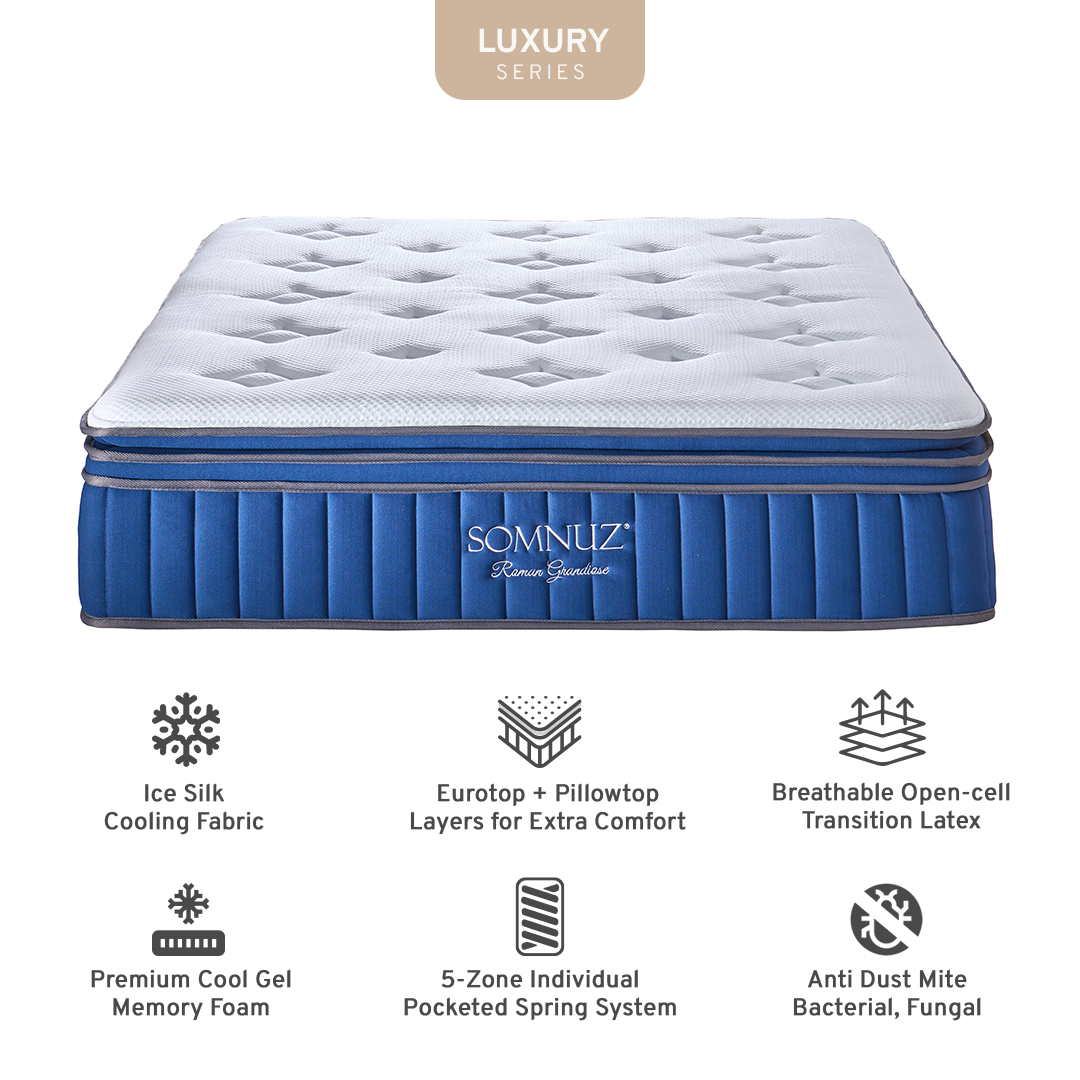
Once the room is clear, you can view the Somnuz mattress collection and choose a mattress based on comfort, support, breathability, and your home setup. For shared sleep, a pocketed spring mattress may help reduce movement across the bed because the springs move more independently. For a more responsive and breathable feel, the natural latex mattress range can be worth comparing.
Choose a Mattress With Cleaner Sleep Habits in Mind
Cleaner sleep setup is not only about pest control. It also comes from simple habits that make your mattress easier to care for over time.
Use a washable mattress protector. Wash bedding often, especially during humid months. Let the mattress breathe when you change sheets. Keep the floor around the bed clear so you can spot problems early.
Travellers should check luggage after hotel stays and avoid placing bags directly on the bed. Families may also want to inspect second-hand furniture carefully before bringing it into the home.
When you are replacing a mattress after treatment, comfort still matters. Practical mattress choice should suit your sleep position, firmness preference, room size, and shared sleep needs. Use Compare Our Mattresses if you want a clearer way to shortlist options before visiting in person.
Better Mattress Care After Bed Bugs
Knowing how to clear bed bugs from mattress surfaces gives you a calmer starting point, but the full room still needs attention. Clean the bedding, vacuum slowly, use heat where safe, seal the mattress properly, and call pest control when the signs are more than minor.
When replacement becomes the right step after treatment, choose with care rather than rushing. Look for comfort that suits your body, breathable materials for humid Singapore nights, and support that fits how you sleep.
Shop the Collection
Once your room has been properly treated, choose your next mattress with clearer guidance. View supportive, breathable options online, compare comfort levels, and make a calmer decision for your home.
Compare Our Mattresses
Use Somnuz’s comparison page to understand firmness, materials, cooling comfort, and support in plain language before you shortlist.
Visit the Showroom
For added peace of mind, visit our mattress showroom Singapore and try the range in person. Our team can guide you through comfort, support, and practical care questions without pressure.
Frequently Asked Questions
Can bed bugs live inside a mattress?
Yes. Bed bugs can hide in seams, piping, labels, and small fabric folds. They may also hide in the bed frame, headboard, skirting, curtains, and nearby furniture, so the room should be checked too.
Should I throw away my mattress if it has bed bugs?
Not always. Some mattresses can be cleaned, encased, and treated with professional help. Replacement may be sensible if the mattress is old, torn, heavily infested, or difficult to seal properly.
Does vacuuming remove bed bugs from a mattress?
Vacuuming can remove visible bugs, eggs, and debris from the surface, but it may not remove everything. It works best as part of a wider plan that includes hot laundering, sealing, room treatment, and professional help when needed.
Can I use insecticide spray on my mattress?
Use only products that clearly state they are safe for mattress use. Spraying the wrong product where you sleep can leave residue and may not reach hidden bugs. When in doubt, ask a licensed pest control company.
When can I buy a new mattress after bed bugs?
Buy a new mattress only after the room has been treated and monitored. New mattresses can become infested when bed bugs remain in the bed frame, headboard, walls, or nearby furniture.