

Mattress odours can feel uncomfortable, especially when your bedroom already feels warm or humid. Sweat, moisture, spills, dust, and poor airflow can slowly build up inside your sleep space. In Singapore homes, this can be more noticeable because humidity makes fabrics take longer to dry.
Knowing how to deodorize a mattress safely helps you freshen your bed without harsh cleaners or soaking the surface. The goal is simple: remove loose debris, absorb odours, air the mattress well, and avoid anything that may damage the materials.
Why Mattresses Develop Odours In Singapore Homes
Mattresses absorb more than people realise. Night after night, the surface comes into contact with body heat, sweat, skin flakes, bedding, and room moisture.
Common causes include:
- Sweat and body oils trapped in fabric layers
- Humid air that slows drying
- Spills that were not dried fully
- Pet smells or food smells in the bedroom
- Dust build-up on the surface
- Poor airflow under or around the bed
- Old mattress materials that no longer feel fresh
HDB and condo bedrooms may also have less natural ventilation, especially when windows stay closed for air-conditioning. Most mild odours can be managed with regular care. Strong, sour, damp, or mould-like smells need more caution because moisture may be trapped deeper inside.
How To Deodorize A Mattress Safely Step By Step
Start with dry, gentle methods before using any liquid cleaner. Too much moisture can make odours worse if the mattress does not dry properly.
Strip The Bed And Check For Moisture
Remove all sheets, pillowcases, mattress protectors, and blankets. Wash the bedding according to its care label before placing it back on the bed.
Press your hand gently across the mattress surface. Check for damp patches, stains, or areas that smell stronger than others. Do not apply baking soda or cleaning solution to a wet area. Let the mattress dry first with good airflow.
Vacuum The Mattress Surface
Use a clean upholstery attachment and vacuum the full mattress surface slowly. Pay attention to seams, edges, and tufted areas where dust collects.
Vacuuming helps remove loose particles before deodorising. It also stops baking soda from mixing with dust and becoming harder to remove later.
Use Baking Soda Carefully
Baking soda is a simple home option for mild odours because it helps absorb smells from the surface. Sprinkle a light, even layer over the mattress. Focus more on areas that smell stale, but avoid piling it too thickly.
Let it sit for several hours. Longer contact time can help with mild odours, but the mattress must stay dry. After that, vacuum the surface carefully until no powder remains.
Air The Mattress Properly
Airflow matters in Singapore’s humid climate. After vacuuming, leave the mattress uncovered for a while before putting the sheets back.
If possible, stand the mattress slightly away from the wall or lift it enough to let air move around the sides. Gentle airflow is safer for most mattresses than heat or soaking.
What Not To Use When Deodorising A Mattress
Some methods may smell fresh at first but can damage the mattress or trap more moisture. Strong scents can also mask the problem without removing it.
Avoid these common mistakes:
- Do not soak the mattress with water.
- Do not pour vinegar, detergent, or fabric cleaner directly onto the surface.
- Do not use bleach or harsh chemical sprays.
- Do not hide odours with strong perfume or room spray.
- Do not sleep on the mattress while it is damp.
- Do not scrub aggressively, especially on delicate fabric covers.
- Do not use steam unless the mattress care instructions clearly allow it.
Spot cleaning is different from deodorising. If a small stain needs cleaning, use the least amount of liquid possible and dry the area fully before covering the bed again.
How To Keep Your Mattress Fresher For Longer
Freshness is easier to maintain with a few simple habits. The aim is to reduce moisture, keep the surface clean, and support better airflow around the mattress.
Improve Bedroom Airflow
Open windows when weather and privacy allow. Use a fan after changing sheets, especially during rainy periods. Try not to trap the mattress tightly against walls, storage boxes, or heavy bedding.
For HDB and condo homes, airflow can be limited by compact layouts. Leaving a small gap around the bed can help the mattress breathe better.
Wash Bedding Regularly
Sheets, pillowcases, and blankets collect sweat and body oils faster than the mattress itself. Washing them regularly helps prevent odours from settling into the bed.
Use clean, dry bedding only. Damp sheets can transfer moisture to the mattress and make musty smells more likely.
Protect The Mattress From Spills And Moisture
Mattress protectors are useful for families, couples, and anyone who drinks water or coffee near the bed. They help reduce the chance of spills reaching the mattress surface.
Good care habits include:
- Letting the mattress air during sheet changes
- Vacuuming the surface every few weeks
- Drying small spills quickly
- Keeping pets off the bed if odour is a concern
- Checking for damp smells after rainy weeks
- Replacing bedding once it no longer feels fresh
When Odours May Mean It Is Time To Replace Your Mattress
Some mattress smells do not go away because the issue sits deeper than the surface. If odours return quickly after cleaning, the mattress may have trapped moisture, older foam, or worn materials inside.
Look out for these signs:
- Musty smell that returns after airing
- Damp patches or old spill marks
- Sagging areas that no longer feel supportive
- Comfort layers that feel uneven
- Odour that affects the whole room
- Mattress comfort that no longer suits your sleep needs
When this happens, deodorising may only provide short-term relief. You may need to review your current sleep setup and think about a fresher, more supportive option.
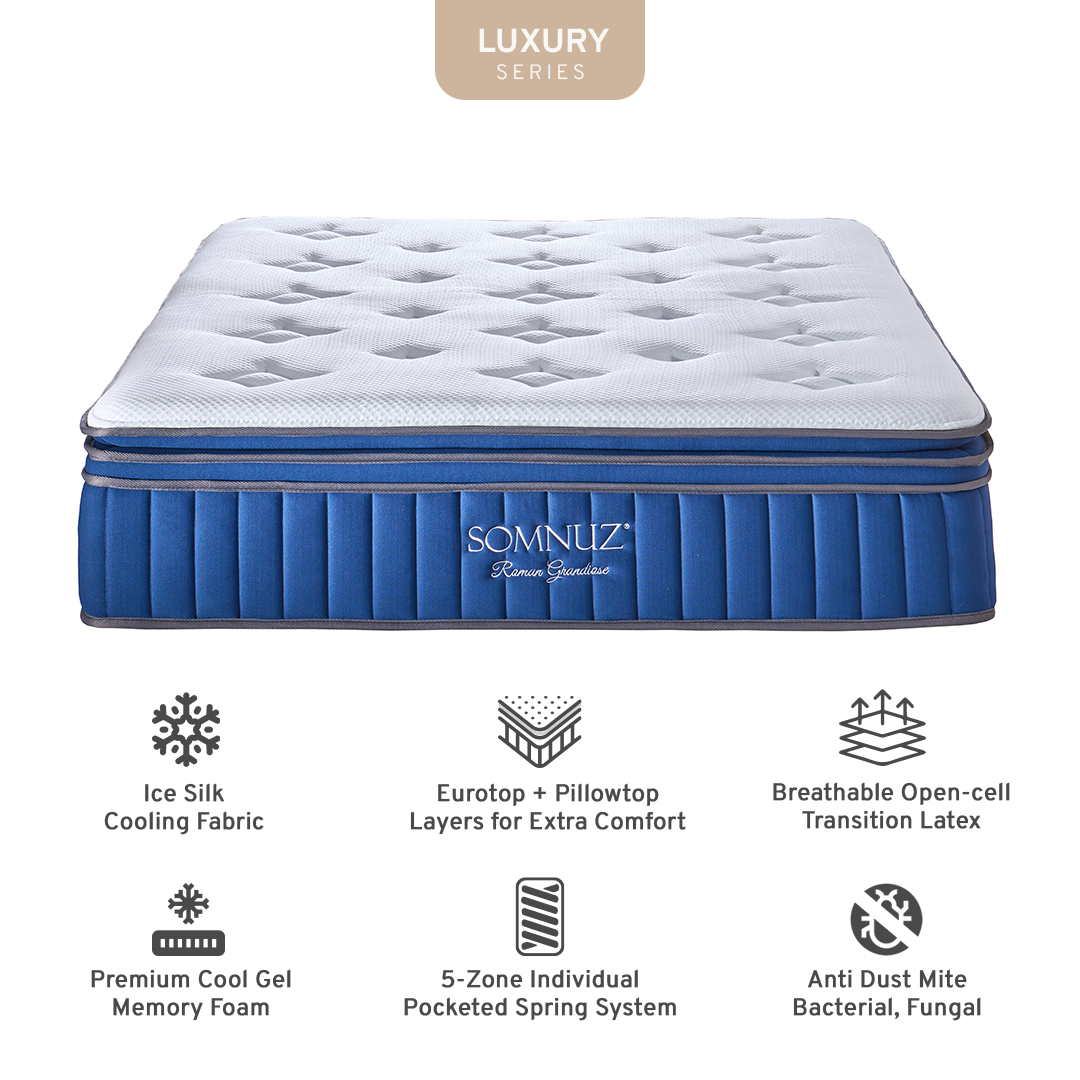
Start by browsing the Somnuz mattress collection to understand the available comfort levels. If you are unsure which feel suits your home or sleeping style, you can compare mattress options before making a decision.
Singapore’s heat and humidity can also affect how comfortable your bed feels at night. If your current mattress often feels warm or stuffy, a cooling mattress Singapore guide can help you understand how breathable materials may support a cooler feel.
Choosing A Fresher, More Supportive Mattress With Confidence
Mattress care can help extend freshness, but the right mattress also matters. Breathable materials, supportive construction, and a comfort level that suits your body can make daily rest feel more comfortable.
Couples may also want a mattress that helps reduce partner disturbance. This means movement on one side of the bed feels less noticeable on the other side. Families may care more about easy guidance, dependable support, and comfort that fits different rooms in the home.
If you are comparing options online, this mattress shop Singapore guide can help you understand what to look for before you buy. For a more personal comparison, visiting a mattress showroom Singapore setting lets you try different comfort levels and ask questions before choosing.
Somnuz keeps the process calm and practical. You can compare firmness, cooling comfort, support, and motion control with guidance that helps you choose with more confidence.
How To Deodorize A Mattress For Fresher Sleep At Home
Learning how to deodorize a mattress safely starts with gentle care. Vacuum the surface, use baking soda carefully, air the mattress well, and avoid soaking it with liquids.
Regular bedding care and better airflow can help reduce odours, especially in humid Singapore homes. Persistent smells, sagging, or poor comfort may mean the mattress is no longer giving you the freshness and support you need.
Fresher sleep is not only about removing odours. It also comes from choosing a mattress that suits your comfort preference, your room, and the way you sleep.
Find Supportive Comfort With Clear Guidance
Shop the Collection online to compare supportive, breathable mattresses made for real sleep needs in Singapore. Compare Our Mattresses to understand firmness, cooling comfort, and reduced partner disturbance with less guesswork. Visit the Showroom to try the range in person and get calm guidance from the Somnuz sleep team.
Frequently Asked Questions
How often should I deodorize a mattress?
Most households can deodorise a mattress every few months or whenever mild odours appear. Homes with pets, young children, or higher room humidity may need more frequent care. Regular vacuuming and clean bedding can help reduce the need for deeper deodorising.
Can I use baking soda to deodorize a mattress?
Yes, baking soda can help absorb mild surface odours when used carefully. Sprinkle a light layer on a dry mattress, leave it for several hours, then vacuum it fully. Do not apply it to damp patches.
How long should baking soda sit on a mattress?
Several hours is usually enough for mild odours. The mattress should stay dry while the baking soda sits on the surface. Vacuum slowly afterwards to remove all powder from seams and fabric areas.
What should I avoid when deodorising a mattress?
Avoid soaking the mattress, using bleach, spraying strong fragrances, or applying too much liquid cleaner. These methods can damage materials or trap moisture inside. Gentle dry care is usually safer for regular deodorising.
Why does my mattress smell musty in Singapore?
Musty smells often come from trapped moisture, poor airflow, or damp bedding. Singapore’s humidity can make drying slower, especially in compact rooms. Better ventilation and regular airing can help reduce this problem.
When should I replace a mattress that keeps smelling bad?
Consider replacing it when the smell returns soon after cleaning, the mattress feels damp, or comfort and support have clearly declined. Persistent odours can be a sign that the issue sits deeper than the surface.