

Discovering bed bugs in your mattress is an unsettling experience, but it is a problem that can be addressed systematically. Bed bugs are resilient insects, and removing them from a mattress requires a thorough, multi-step approach rather than a single quick fix. This guide explains how to identify a bed bug problem, what removal steps are effective, and when replacing the mattress is the more practical decision.
Identifying Bed Bugs on a Mattress
Before treating a mattress, it is worth confirming that bed bugs are actually the issue. The signs to look for include small dark brown or black spots near the seams, corners, and edges of the mattress, which are bed bug excrement. Rust-coloured stains, caused by crushed bugs, may also be present. Tiny pale yellow shed skins or small white eggs at seams indicate active breeding. The bugs themselves are small, flat, and reddish-brown, approximately the size of an apple seed.
Unexplained itching or small raised bites that appear in a pattern or cluster after sleeping are another indicator, though bites alone are not conclusive as they can be caused by other insects.
Check not only the mattress but also the bed frame, headboard, nearby furniture, and wall edges close to the bed. Bed bugs spread from their original location and are often found in multiple areas by the time a problem is noticed.
Immediate Steps When Bed Bugs Are Found
Remove and bag all bedding immediately. Place sheets, pillowcases, mattress cover, and any other soft items from the bed into sealed plastic bags before carrying them to the washing machine, to avoid spreading bugs through the home. Wash all bedding at the highest temperature the fabric can safely tolerate, followed by the highest dryer heat setting. Heat is effective at killing bed bugs and their eggs.
Vacuum the mattress thoroughly, paying particular attention to seams, edges, tufts, and any folds or crevices. Use a crevice attachment to reach into narrow areas. After vacuuming, immediately seal and dispose of the vacuum bag outside the home. If using a bagless vacuum, empty the canister into a sealed bag and dispose of it outside, then clean the canister with hot water.
Vacuum the bed frame, headboard, and the surrounding floor area with the same attention to crevices.
Treatment Options for the Mattress
Vacuuming alone will not eliminate a bed bug infestation. It reduces the population but will not reach eggs or bugs deep within the mattress. Additional treatment steps are necessary.
Steam treatment is one of the most effective approaches. High-temperature steam, above 60 degrees Celsius, kills bed bugs and their eggs on contact. A steam cleaner with a fabric attachment can be applied slowly across all surfaces of the mattress, including seams and crevices. Allow the mattress to dry completely before returning it to use.
A bed bug mattress encasement, a fully zippered cover designed specifically to trap any remaining bugs inside the mattress while preventing new ones from reaching the sleeping surface, is an important step after initial treatment. These encasements are designed with very fine zipper teeth that bugs cannot escape through. They should be left in place for at least a year, as bed bugs can survive extended periods without feeding.
For chemical treatments, commercial bed bug sprays are available and can be applied to the mattress and surrounding areas. Follow product instructions carefully and allow full drying time before the mattress is used again. Many chemical treatments require multiple applications, as they may not reach all life stages of the insect.
When to Call Professional Pest Control
For an established bed bug infestation, professional pest control treatment is typically more effective than self-treatment alone. Professional operators have access to stronger treatment options and can treat the entire room rather than just the mattress.
In Singapore, licensed pest control companies can provide targeted bed bug treatment. If self-treatment does not resolve the problem within a couple of weeks, or if the infestation appears to have spread to other areas of the bedroom, calling a professional is the more reliable path.
When to Replace the Mattress
Treating a mattress is worth pursuing when it is otherwise still in good condition. However, in some situations, replacing the mattress is the more practical decision.
If the mattress is already seven to ten years old and showing wear, the cost and effort of treatment may not justify retaining a mattress that is nearing the end of its useful life. If the infestation is extensive and has penetrated deeply into the mattress, eliminating all bugs and eggs with certainty becomes more difficult. In these situations, replacing the mattress as part of the treatment process, along with thorough room treatment to prevent reinfection of the new mattress, is worth considering.
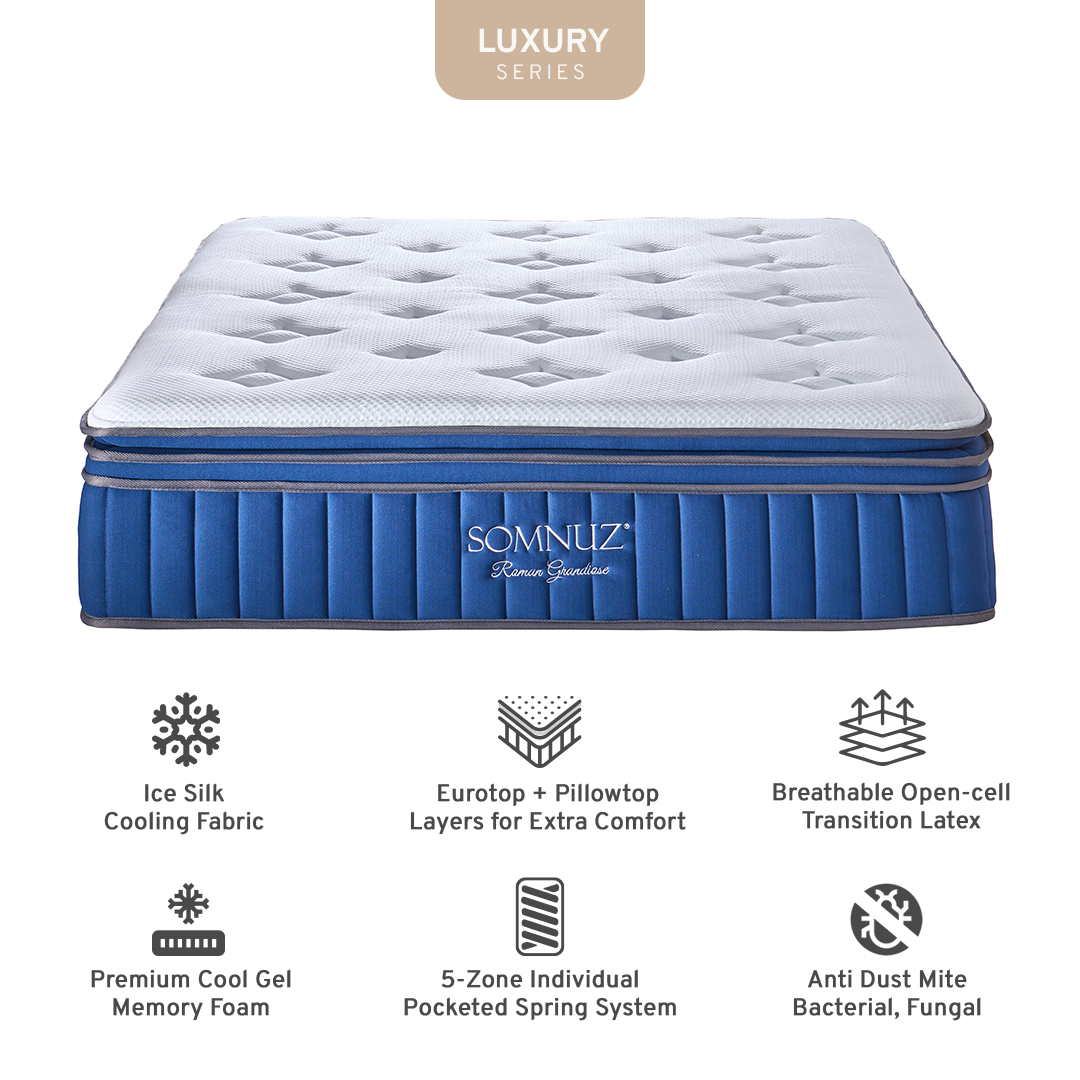
The Somnuz mattress collection includes options suited to Singapore's conditions if a replacement is needed. For guidance on choosing a replacement and preventing future issues, visit our mattress showroom in Singapore for practical advice.
Frequently Asked Questions
Can I get rid of bed bugs from a mattress by myself?
Mild infestations can sometimes be managed with thorough vacuuming, steam treatment, and a bed bug encasement. For established infestations, professional pest control is generally more reliable. A combined approach of self-treatment and professional assistance is often most effective.
Does heat kill bed bugs on a mattress?
Yes. Bed bugs and their eggs are killed by sustained exposure to heat above 60 degrees Celsius. Steam treatment applied slowly and thoroughly to the mattress surface and seams is an effective approach.
How do bed bug mattress encasements work?
A bed bug encasement fully encloses the mattress in a zippered cover with fine teeth that bed bugs cannot pass through. Bugs trapped inside eventually die without access to a host, while new bugs are prevented from reaching the mattress. Encasements should be left in place for at least a year.
Can bed bugs come back after treatment?
Yes, if the room is not fully treated or if bugs are reintroduced from elsewhere. Treating the entire room, including the bed frame, surrounding furniture, and floor edges, is important. A bed bug encasement on the mattress provides ongoing protection.
When should I replace my mattress after a bed bug infestation?
If the mattress is already worn or old, or if the infestation is extensive and treatment has not been fully effective, replacement may be more practical than continued treatment. If replacing, treat the room thoroughly before the new mattress arrives to prevent reinfection.
How do I prevent bed bugs from returning?
Use a bed bug mattress encasement on the new or treated mattress. Inspect second-hand furniture before bringing it into the home. Check luggage and clothing after travel. Reduce clutter near the bed, which provides hiding places for bugs.
If a Replacement Is the Right Step
A new mattress, paired with thorough room treatment, gives you a clean starting point after a bed bug issue.
Browse the Somnuz mattress collection to find a replacement suited to your needs. Or visit our showroom in Singapore for guidance on choosing the right option.