

Finding bed bugs in or around your mattress can feel unsettling. Your bedroom should feel calm, clean, and comfortable, so even a few signs can make sleep feel harder.
The first step is not to panic. Bed bugs are not caused by poor hygiene alone. They can enter Singapore homes through luggage, shared buildings, second-hand furniture, or nearby infestations. HDB flats, condos, and landed homes can all face the issue.
This guide explains how to rid bed bugs in a mattress with clear, practical steps. It also covers when to call pest control, when a mattress may need replacing, and how to choose a new mattress with more confidence after treatment.
Why Bed Bugs In A Mattress Need A Calm Plan
Bed bugs are small and good at hiding. They often stay close to sleeping areas because they feed at night and hide during the day.
You may notice:
- Small dark or rust-coloured spots on bedsheets or seams
- Shed skins near the mattress edge
- Tiny insects around piping, labels, folds, or the bed frame
- A faint musty odour in heavier infestations
- Bite marks after sleep, although bites alone are not enough to confirm bed bugs
Check the mattress, headboard, bed frame, bedside table, curtains, rugs, and nearby storage. In shared bedrooms, bed bugs can move between fabric items, luggage, and furniture. In compact rooms, it helps to inspect slowly with strong lighting instead of moving everything at once.
How To Rid Bed Bugs In A Mattress Step By Step
Removing bed bugs usually takes more than one action. Cleaning helps, but hidden insects and eggs can remain if the room is not treated carefully.
Confirm The Signs Before Moving Items
Start with a close inspection. Look along seams, corners, labels, buttons, handles, and piping. Check the bed frame and headboard too.
Avoid dragging bedding through the room. Movement can spread insects to other areas. Use sealed bags or washable containers when carrying bedding, pillowcases, mattress protectors, and soft items to the laundry area.
Strip Bedding And Wash What You Can
Remove sheets, pillowcases, blankets, removable covers, and washable protectors. Wash them according to the care label. Use the hottest wash and drying setting the fabric can safely handle.
Keep cleaned items away from the affected room until the mattress and surrounding areas have been inspected or treated. This reduces the chance of moving bed bugs back onto fresh bedding.
Vacuum Seams, Edges, And The Bed Frame
Vacuum the mattress slowly. Focus on seams, piping, corners, labels, and any folded fabric. Vacuum the bed frame, headboard, skirting area, bedside furniture, and nearby floor.
Empty the vacuum contents into a sealed bag right after use. Place it outside the home according to local waste handling rules. If your vacuum uses a washable container, clean it carefully after disposal.
Use Steam Or Heat With Care
Steam can help when used properly, but it needs direct contact and enough heat to be effective. Move the steamer slowly along seams and edges. Do not soak the mattress, as trapped moisture may create odour or mould issues in Singapore’s humid weather.
Avoid spraying random chemicals on the sleeping surface. Only use pest products that are clearly labelled for bed bug use, and follow the instructions exactly. For a confirmed or spreading infestation, professional pest control is usually the safer and more complete route.
What Not To Do When Bed Bugs Are In Your Mattress
Good care is also about avoiding steps that make the problem harder to manage.
Avoid these common mistakes:
- Do not move the mattress through the home without wrapping or planning.
- Do not sleep in another room without advice, as bed bugs may follow.
- Do not rely on sprays alone.
- Do not place the mattress under the sun and assume the issue is fixed.
- Do not buy a new mattress before the room is treated.
- Do not ignore nearby furniture, curtains, storage boxes, or luggage.
Bed bugs can hide beyond the mattress. This is why the whole sleep area matters. If you live in a condo or HDB block and suspect the issue may be spreading, proper pest inspection gives you clearer next steps.
When Should You Replace A Mattress After Bed Bugs?
You do not always need to throw away a mattress after finding bed bugs. Some mattresses can be managed with cleaning, encasement, and professional treatment.
Replacement may make more sense when:
- The infestation is severe or has lasted for some time
- The mattress is torn, stained, sagging, or difficult to clean
- The mattress is already old and no longer supportive
- Bed bugs are hiding deep in damaged seams or fabric gaps
- You no longer feel comfortable sleeping on it after treatment
Do not replace the mattress while the room is still active with bed bugs. The new mattress could become affected too. Treat the room first, confirm the next steps with pest control if needed, then decide if replacement is sensible.
If replacement becomes the better route, start by comparing comfort, support, airflow, and maintenance needs. The goal is not just to buy a new bed. The goal is to rebuild a cleaner, calmer sleep setup that feels easier to care for.
Choosing A Cleaner, More Comfortable Mattress After Treatment
After bed bug treatment, many homeowners want a mattress that feels comfortable, breathable, and easier to maintain. No mattress can fully prevent bed bugs, but a thoughtful choice can support daily care and long-term peace of mind.
Use Compare Our Mattresses to review firmness, thickness, cooling features, and support differences in one place. If you are not sure what suits your sleep style, Find Your Fit can help narrow your options before you visit in person.
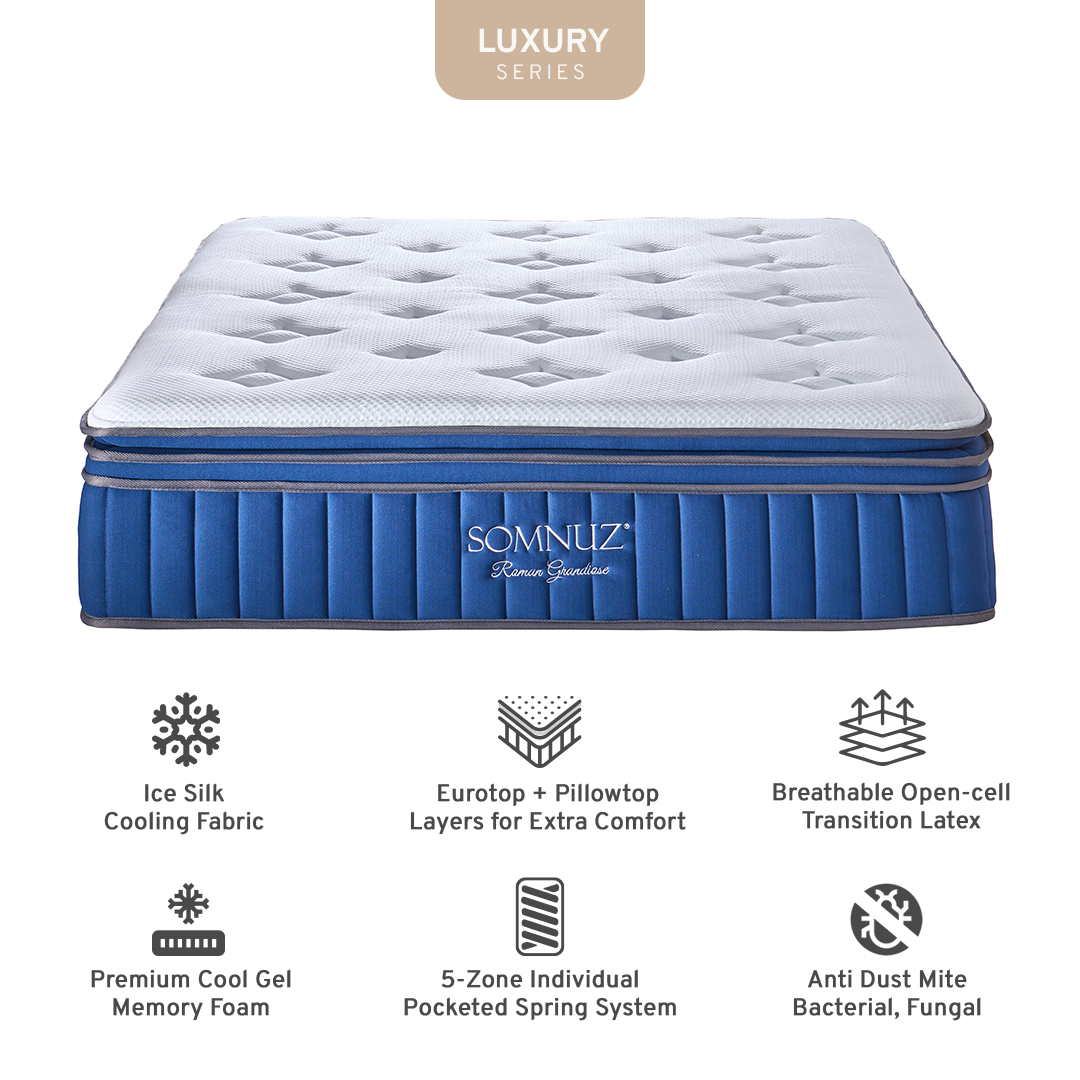
For Singapore’s warm and humid nights, breathable materials matter. Latex mattresses in Singapore may suit sleepers who prefer a more responsive feel with better airflow. Shared beds may also benefit from pocketed spring mattress options, as individually moving springs can help reduce partner disturbance.
Focus on the everyday questions:
- Does the mattress feel supportive without feeling too hard?
- Does it feel breathable enough for your room and sleep habits?
- Does it suit one sleeper or a shared bed?
- Can you use a fitted protector or full encasement comfortably?
- Can you get guidance before and after purchase?
Different sleepers need different comfort levels. Couples may need motion control. Families may care more about protection and easier care. Warm sleepers may want breathable support. Practical buyers may prefer to try the range before deciding.
How To Rid Bed Bugs In A Mattress And Sleep With More Confidence
Getting bed bugs out of a mattress takes patience. Start with inspection, wash what you can, vacuum carefully, use heat or steam only where suitable, and call pest control when signs are clear or spreading.
If your mattress is still supportive and the infestation is handled early, you may be able to keep it with the right care. If it is damaged, old, or difficult to clean, replacement may give you better comfort and reassurance after the room has been treated.
For a fresh sleep setup, choose a mattress that fits your body, room, and routine. Better rest feels easier when you understand your options and have dependable guidance before and after purchase.
Choose Your Next Mattress With Calm Guidance
When your room has been properly treated and you want to compare new options, start with the Somnuz mattress collection. You can review different comfort levels, materials, and support features online.
For more confidence, visit the Somnuz mattress showroom Singapore to try the range in person and speak with the sleep team.
Shop the Collection: Compare mattresses designed for different sleep needs and comfort preferences.
Compare Our Mattresses: Review firmness, materials, cooling, and support in one place.
Visit the Showroom: Try the range in person and get calm guidance before you decide.
Frequently Asked Questions
Can bed bugs live inside a mattress?
Bed bugs usually hide around seams, folds, piping, labels, bed frames, and nearby furniture. They can sometimes move into damaged gaps, which is why careful inspection matters.
Should I throw away my mattress if I find bed bugs?
Not always. Some cases can be managed with cleaning, encasement, and professional pest control. Replacement may be better if the mattress is old, damaged, badly affected, or no longer comfortable.
Can a mattress protector stop bed bugs?
Standard protectors can help with daily surface care, but they do not seal the whole mattress. Full encasements offer more coverage, but they should not replace proper pest treatment.
What is the safest first step after seeing bed bugs?
Inspect the bed area, contain bedding, wash suitable fabrics on the hottest allowed setting, and vacuum seams and nearby furniture. Call pest control if signs are clear or spreading.
Should I buy a new mattress before pest control treatment?
It is better to treat the room first. New mattresses placed in active infestations may become affected. Confirm that the room is managed before replacing the mattress.