

Finding bed bugs in your mattress is an unpleasant discovery, but it is a problem that can be addressed methodically. The key is understanding which treatment methods are actually effective, combining them correctly, and knowing when replacement is a more practical decision than continued treatment.
Before Treatment: Confirm What You Are Dealing With
Confirming bed bug activity before treating saves time and effort. Look for the specific signs: small dark brown or black spots at mattress seams and edges, rust-coloured stains from crushed bugs, pale yellow shed skins, tiny white eggs, and possibly live bugs around 5 to 7 millimetres in size at the seams and frame joints.
If you are confident bed bugs are present, proceed with a systematic treatment approach.
Step One: Strip and Wash All Bedding
Remove all bedding, including sheets, pillowcases, mattress cover, and any other soft items on the bed. Place them directly into sealed plastic bags before carrying them through the home, to prevent spreading bugs.
Wash everything at the highest temperature the fabric can safely tolerate. Dry on the highest heat setting. Heat kills bed bugs and their eggs at temperatures above 60 degrees Celsius. This step addresses bugs in the bedding but not in the mattress itself.
Step Two: Vacuum the Mattress Thoroughly
Vacuum the entire mattress surface carefully and systematically. Use a crevice tool to reach into seams, folds, and edges. These are the areas where bed bugs concentrate.
After vacuuming, immediately seal the vacuum bag in a plastic bag and dispose of it outside the home. If using a bagless vacuum, empty the contents into a sealed bag and take it outside, then clean the canister thoroughly. Bed bugs can escape a vacuum and re-infest if not properly disposed of.
Vacuum the bed frame, headboard, and nearby furniture, giving the same attention to any crevices and joints.
Step Three: Steam Treatment
High-temperature steam is one of the most effective tools for treating a mattress for bed bugs. Steam at 60 degrees Celsius or above kills bugs and eggs on contact, penetrating into the fabric and shallow layers of the mattress where vacuuming cannot reach.
Apply the steam cleaner slowly and methodically across the entire mattress surface, focusing particularly on seams and edges. Move at a pace of approximately 2.5 centimetres per second to ensure adequate heat exposure at each point.
Allow the mattress to dry completely before the next step. In Singapore's humid climate, using a fan and ensuring good room ventilation accelerates drying.
Step Four: Apply a Bed Bug Spray if Appropriate
Commercial bed bug sprays are available in Singapore and can complement steam treatment by reaching areas steam may not have fully penetrated. Apply according to the product instructions. Allow the mattress to dry completely before use.
Multiple applications may be needed, as many sprays do not reach all life stages in a single treatment.
Step Five: Encase the Mattress
After treatment, encasing the mattress in a bed bug rated mattress encasement is an essential step. A quality encasement fully encloses all six sides of the mattress with a sealed zipper with very fine teeth that bed bugs cannot escape through.
Any bugs remaining inside the mattress after treatment are trapped inside the encasement and will die over time without access to a host. New bugs from the surrounding environment are prevented from reaching the mattress.
The encasement should remain in place for at least a year. Bed bugs can survive extended periods without feeding, so removing the encasement prematurely risks re-infestation.
Step Six: Treat the Entire Room
A mattress treatment alone is insufficient if bugs have spread beyond the mattress. By the time a significant infestation is discovered, bugs are typically in the bed frame, headboard, nearby furniture, and wall edges.
Vacuum and steam all accessible areas. Reduce clutter near the bed that provides hiding spaces. Inspect all soft furnishings in the room.
For established infestations, professional pest control is the most reliable approach. Licensed pest control companies in Singapore use targeted treatments that provide more comprehensive coverage than self-treatment alone.
When to Replace the Mattress
If the mattress is already seven to ten years old or significantly worn, replacing it as part of the treatment process is often the most practical decision. Treating an old, worn mattress and then continuing to sleep on it is not an optimal outcome from either a sleep quality or a hygiene perspective.
If replacing, ensure the room is thoroughly treated before the new mattress arrives. An untreated room will re-infest a new mattress quickly.
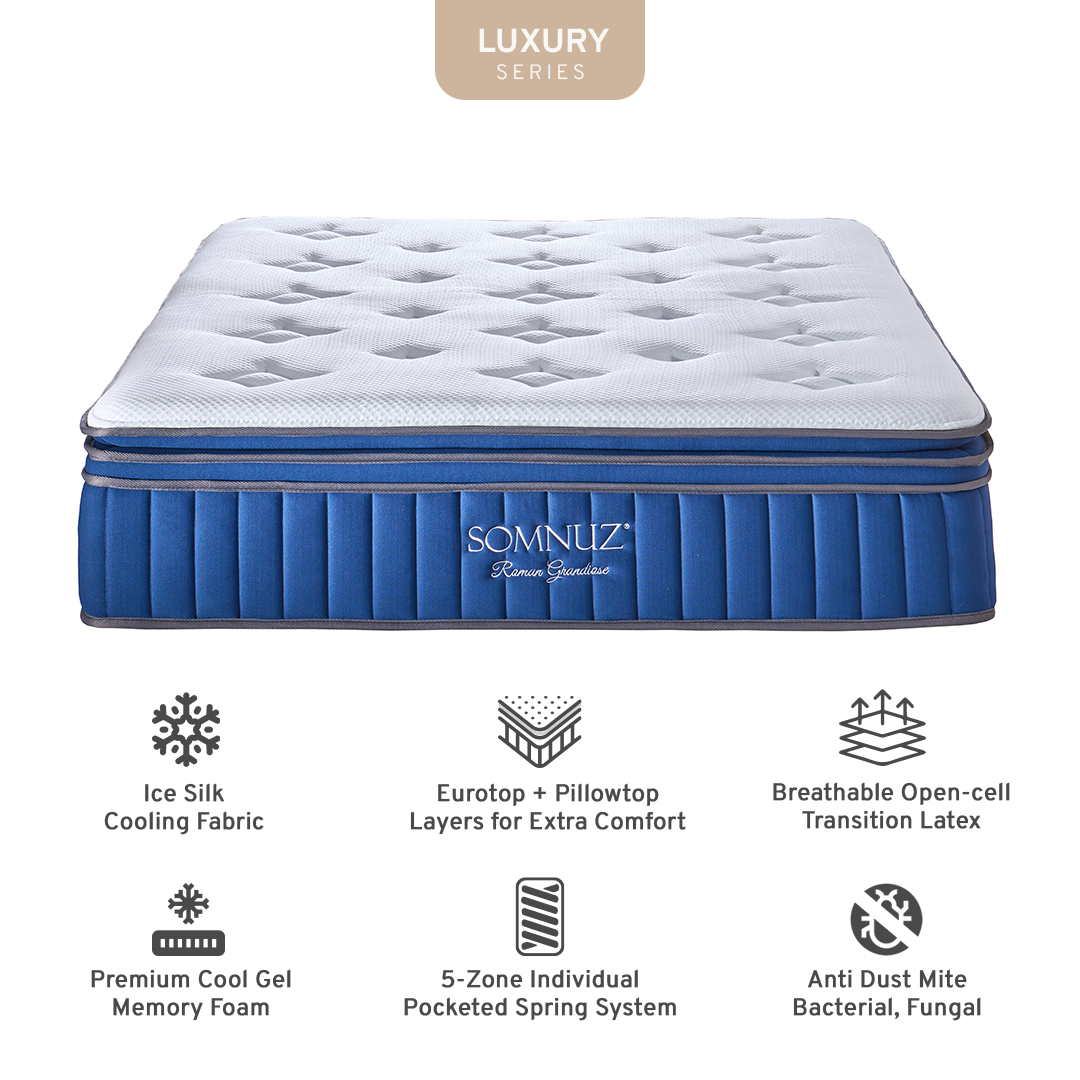
The Somnuz mattress collection includes options suited to Singapore's conditions. For guidance on choosing a replacement, visit our mattress showroom in Singapore.
Frequently Asked Questions
What is the most effective way to treat a mattress for bed bugs? A combination of vacuuming, high-temperature steam treatment, and applying a bed bug mattress encasement is the most comprehensive self-treatment approach. For established infestations, combining these with professional pest control provides the most reliable results.
Does heat kill bed bugs in a mattress? Yes. Sustained exposure to temperatures above 60 degrees Celsius kills bed bugs and their eggs. Steam treatment applies this heat directly to the mattress surface and shallow layers.
How long should a bed bug mattress encasement stay on? At least one year. Bed bugs can survive extended periods without feeding, so the encasement must remain in place long enough to ensure any trapped bugs die before it is removed.
Can I sleep on the mattress during bed bug treatment? After completing treatment and applying the encasement, the mattress is safer to use. However, addressing the entire room, not just the mattress, is important before assuming the problem is fully resolved.
When should I call professional pest control? If self-treatment does not show clear improvement within one to two weeks, or if the infestation appears to have spread significantly beyond the mattress, professional treatment is the more reliable approach.
Should I replace my mattress after bed bugs? If the mattress is already old or worn, replacement is often the practical choice. For a newer mattress in good condition, thorough treatment and encasement can allow continued use. Always treat the room before introducing a new mattress.
If a Fresh Start Is the Right Step
Thorough treatment paired with a well-chosen new mattress gives you the best outcome after a bed bug situation.
Browse the Somnuz mattress collection to find options suited to Singapore. Or visit our showroom for guidance on choosing the right replacement.