

The question of whether a firm or soft mattress is better has no single correct answer. The right choice depends on how you sleep, your body type, and your personal comfort preferences. Understanding what each end of the firmness spectrum offers, and who tends to suit each, helps you narrow down the decision effectively.
What Firmness Actually Means
Firmness refers to how much the mattress surface gives under your body weight. A soft mattress compresses easily and allows the body to sink into the surface. A firm mattress resists compression and keeps the sleeping surface relatively flat.
Neither end of the spectrum is inherently superior. Both can provide good sleep for the right sleeper. Both can cause discomfort for the wrong one.
Who Tends to Do Better on a Firmer Mattress
Front sleepers are the group most consistently better served by a firmer surface. On a soft mattress, the hips sink below the shoulder level, creating an uncomfortable curve in the lower spine. A firmer surface keeps the body in a flatter, more neutral position.
Heavier sleepers tend to compress mattress materials more deeply than lighter sleepers. A mattress that feels appropriately medium-firm to a lighter person may feel noticeably softer to a heavier one. For this reason, heavier sleepers often find they need a firmer specification to get the support they need.
Some back sleepers prefer a firmer surface that provides solid, consistent support along the full length of the spine without allowing the hips to sink.
Who Tends to Do Better on a Softer Mattress
Side sleepers often do better on a medium-soft to medium-firm surface. When lying on the side, the shoulder and hip are the primary contact points. A mattress that is too firm creates pressure at these points. A softer surface allows them to sink slightly, distributing load more evenly and reducing pressure.
Lighter sleepers in general may find firm mattresses unnecessarily hard. Because they compress the mattress less deeply, the cushioning properties of the comfort layers are less accessible to them. A slightly softer option may provide more comfortable pressure relief.
The Middle Ground for Most Sleepers
For many people, particularly those who sleep in multiple positions during the night, a medium to medium-firm mattress provides the most consistent comfort. It is firm enough to support a back or front sleeping position without excessive sinking, and soft enough to provide adequate cushioning for the shoulder and hip in a side position.
This is often where couples land when they have different sleeping positions. Neither gets the absolute ideal, but both get comfort appropriate to their needs.
How Singapore's Climate Relates to Firmness
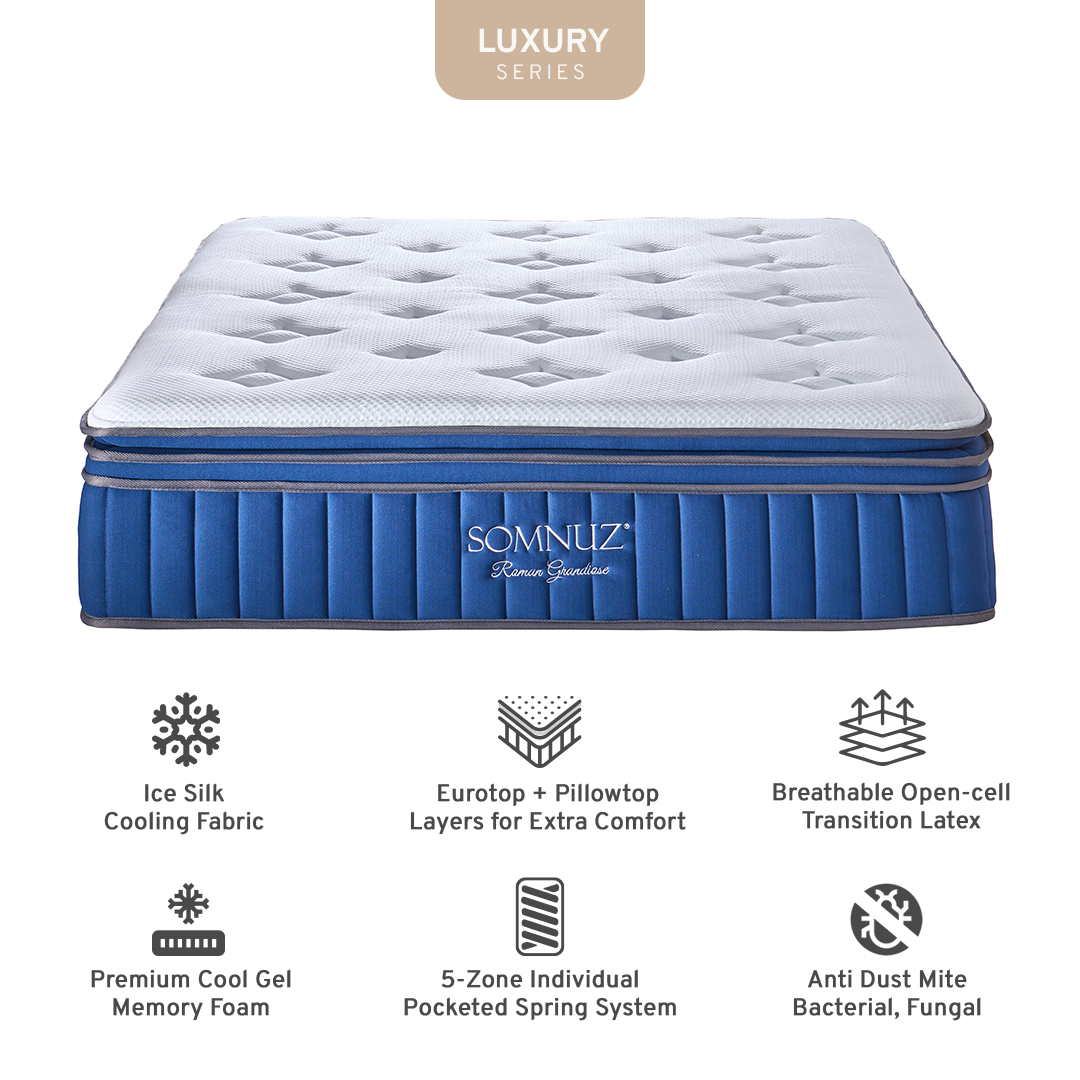
Singapore's warm and humid climate does not directly determine the right firmness for your sleep. However, it does influence which construction types are practical. Firm mattresses made from dense, poorly ventilated foam may feel comfortable in terms of firmness but be warm to sleep on. A firm pocketed spring mattress or a firm latex mattress provides the support of firmness with better natural breathability for Singapore's conditions.
When selecting firmness, also consider the breathability of the construction, not just the surface feel. The Somnuz mattress collection includes options across the firmness range with clear descriptions of who each suits. Visit our showroom in Singapore to try different firmness levels in your actual sleeping position. The Sleep Well resource page covers broader sleep environment guidance.
Frequently Asked Questions
Is a soft or firm mattress better for back pain?
It depends on sleeping position. Front sleepers and many back sleepers tend to find firmer surfaces better for lower back comfort. Side sleepers often find very firm mattresses create pressure that contributes to discomfort. Medium-firm tends to suit the widest range of sleepers.
Should couples choose firm or soft?
If both partners have similar sleeping positions and preferences, choose accordingly. If they differ, medium-firm is often the most practical compromise. Trying options together in a showroom provides the most reliable basis for a shared decision.
Does a soft mattress cause back problems?
A mattress that is too soft for your sleeping position and body weight can allow excessive sinking that misaligns the spine during sleep. This can contribute to back discomfort for some sleepers, particularly heavier individuals or those who sleep on their back or front. However, for lighter side sleepers, an appropriately soft surface provides pressure relief without misalignment.
How do I know if my current mattress is the wrong firmness for me?
Common signs include waking with discomfort at pressure points such as the shoulder or hip, which suggests too firm. Waking with lower back ache or feeling your hips have sunk deeply can suggest too soft. Consistently sleeping better on other surfaces than your own bed is a useful indicator.
Does body weight affect whether firm or soft is better?
Yes significantly. Heavier sleepers compress mattress materials more deeply and generally need firmer specifications to get adequate support. Lighter sleepers compress less and may find softer options more comfortable.
Is there a universal best firmness for sleeping?
No. Individual factors including sleeping position, body weight, and personal preference all influence what the right firmness is. There is no specification that suits everyone.
Find the Firmness That Works for You
The right firmness is the one that suits how you sleep. Trying options in person is the most reliable way to find it.
Browse the Somnuz mattress collection to explore different firmness options. Or visit our showroom in Singapore to try the range in your sleeping position.