

Buying a magnetic mattress pad can feel tempting when you want better rest, firmer support, or a calmer night. Many shoppers start looking at one because they are uncomfortable on their current bed, wake up feeling warm, or want an added layer without replacing the mattress.
Still, it helps to look past the claims. Some magnetic pads are marketed with strong health promises, but comfort and support should be judged with care. Research on static magnets for pain remains limited, and no conclusive proof supports static magnets for pain relief. The National Center for Complementary and Integrative Health also notes that static magnets are sold in products such as mats, pillows, and bed pads.
This guide explains what a magnetic mattress pad is, what to check before buying one, and which mattress comfort factors matter more for everyday sleep in Singapore.
What Is A Magnetic Mattress Pad?
Magnetic mattress pads are usually thin bedding layers placed above a mattress and below the bedsheet. They contain small static magnets sewn into the pad.
Static magnets have a fixed magnetic field. They do not switch on and off. This makes them different from pulsed electromagnetic field devices, which are used in more controlled settings for certain purposes.
For most shoppers, the main point is simple. A magnetic pad is an add-on, not a full mattress. It may change the surface feel slightly, but it does not rebuild the support, airflow, firmness, or motion control of the bed underneath it.
This matters because many sleep concerns come from the mattress itself. A mattress that feels too soft, too warm, too saggy, or too bouncy may still feel wrong even after a pad is added.
Why People Consider Magnetic Mattress Pads
Magnetic pads often attract shoppers who want comfort without changing the full mattress. This can make sense at first, especially for HDB, condo, or landed home bedrooms where replacing a bed may feel like a larger decision.
Common reasons include:
- wanting a firmer or more padded surface
- trying to reduce partner disturbance
- looking for cooler sleep on humid nights
- hoping for better body support
- wanting a simple add-on before buying a new mattress
These are real comfort concerns. The safer approach is to separate the concern from the claim. Instead of asking only if a magnetic mattress pad works, ask what you are trying to improve.
What To Know About Magnetic Claims
A magnetic mattress pad should not be treated as a medical solution. Static magnet products are often promoted for pain, circulation, or healing, but these claims need care.
Current research does not conclusively support static magnets for pain relief. Some electromagnetic therapies have been studied for pain and function, but this is not the same as sleeping on a consumer magnetic pad.
Safety also matters. Magnets may interfere with medical devices such as pacemakers and insulin pumps. People who are pregnant or have a health condition should speak with a healthcare provider before using magnetic therapy. Magnetic products also should not delay proper care for pain or other medical concerns.
For a mattress buyer, this means one thing. Choose your sleep setup based on comfort, support, airflow, and fit. These are easier to compare and feel in person.
Mattress Comfort Factors That Matter More
A pad can only do so much. Mattress comfort usually depends on the support system, comfort layers, materials, and firmness level.
For Singapore homes, cooling and airflow also matter because humid nights can make the bed feel warmer than expected. Shoppers who sleep hot may get more value from comparing breathable mattress materials than relying on an added pad.
Support And Firmness
Firmness tells you how soft or firm the mattress feels. Support tells you how well the mattress holds your body in a steady position.
These two things work together. A mattress can feel cushioned but still supportive. Another mattress can feel firm but still uncomfortable if it does not suit your body or sleep style.
Instead of looking for one universal answer, compare options based on how you sleep. Side sleepers may prefer more cushioning around the shoulders and hips. Back sleepers may prefer a steadier feel. Couples may need balanced support on both sides of the bed.
You can start with the mattress collection to see how different mattress types are positioned before narrowing your choice.
Cooling And Breathability
Humid Singapore nights can make heat build-up more noticeable. A mattress that traps warmth may feel stuffy, even when the room is air-conditioned.
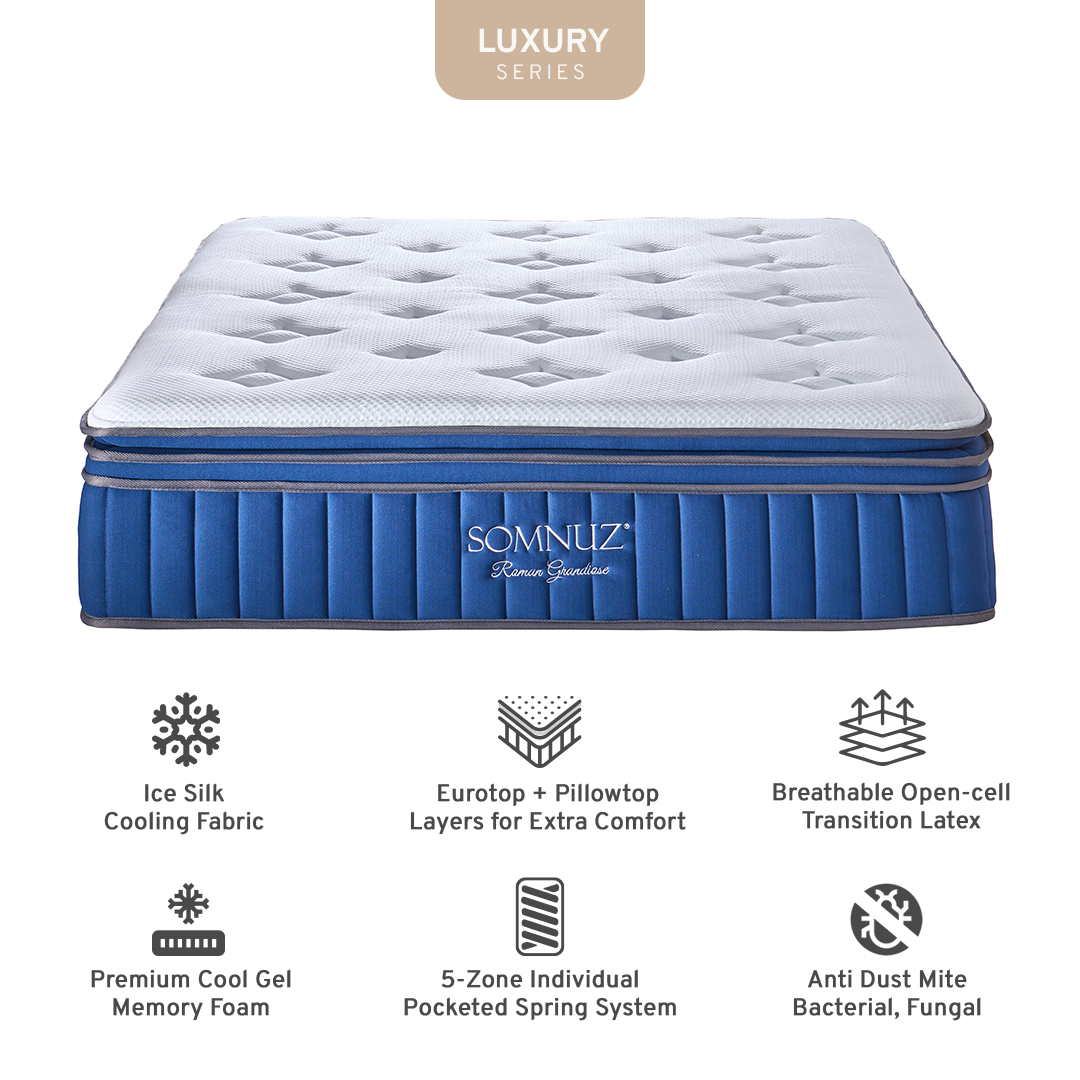
Cooling comfort usually comes from breathable covers, responsive comfort layers, and a support core that allows air to move more freely. Spring-based designs and latex layers can often feel more ventilated than dense, close-hugging materials.
For shoppers focused on warm nights, the cooling mattress Singapore guide can help explain which features support a fresher feel.
Motion Control For Couples
Shared sleep can be difficult when one person moves often. A magnetic pad is unlikely to change the whole movement behaviour of a mattress.
Motion control depends more on the mattress build. Individually pocketed springs can move more independently, so movement from one side is less likely to travel across the full bed. This can feel more settled for couples.
The pocket spring mattress Singapore page explains how this type of support works for shared sleep.
Magnetic Mattress Pad Vs Better Mattress Fit
A magnetic pad may look like an easy fix, but it may not solve the main issue. If the mattress is old, sagging, too warm, or the wrong firmness, changing the foundation often makes more sense.
Use these checks before buying:
- Check if your current mattress has dips, sagging, or uneven areas.
- Notice if you feel too warm because of the mattress, bedding, or room setup.
- Ask if your discomfort comes from firmness, pressure, or lack of support.
- Consider how much movement you feel when your partner turns.
- Decide if you need a small surface change or a full comfort reset.
Latex can be worth comparing if you want a more responsive surface with better airflow. It has a quicker bounce-back feel than many foams, which can make turning and shifting easier. The latex mattress Singapore page explains this in simple terms.
How To Compare Your Options With Confidence
Mattress shopping feels easier when you compare what you can actually feel. Start with your main sleep concern, then match it to the right feature.
Use this simple guide:
|
Sleep concern |
What to compare |
|
Warm nights |
Breathable covers, latex, spring airflow, lighter bedding |
|
Partner movement |
Pocket springs, motion control, mattress stability |
|
Too much sink |
Firmer support, responsive materials, less deep contouring |
|
Uneven feel |
Mattress age, support core, sagging, edge support |
|
Unsure comfort preference |
Firmness levels, guided comparison, showroom testing |
Online research helps you shortlist options, but comfort is still personal. Two people can read the same description and prefer different feels.
For easier side-by-side checking, use Compare Our Mattresses before you make a final choice.
Better Sleep Choices Start With Clearer Guidance
A magnetic mattress pad may seem like a simple answer, but better rest usually starts with clearer comfort choices. Support, breathability, firmness, and motion control are easier to test and compare than magnetic claims.
For Singapore shoppers, this matters even more. Humid weather, shared bedrooms, HDB layouts, condo upgrades, and family sleep needs all affect what feels right. A good mattress choice should fit your body, your room, and your routine.
Somnuz helps make that choice clearer with supportive comfort, breathable options, and practical guidance before and after purchase. You do not need to guess based on bold claims. You can compare the range online, ask questions, and try the range in person before deciding.
Find Your Fit With Calm, Clear Guidance
Looking at a magnetic mattress pad may mean your current bed is not giving you the comfort, cooling, or support you need. Somnuz can help you compare real mattress features in plain language, so your next choice feels clearer and more reassuring.
Shop the Collection, Compare Our Mattresses, or Visit the Showroom to find the comfort level that suits you.
Frequently Asked Questions
Is a magnetic mattress pad proven to improve sleep?
Current evidence does not give strong proof that static magnets in mattress pads improve sleep or relieve pain. It is better to focus on mattress comfort factors you can feel, such as firmness, cooling, and support.
Can a magnetic mattress pad help with back pain?
A magnetic mattress pad should not be used as a treatment for back pain. If pain is ongoing, speak with a healthcare provider. For mattress shopping, choose based on support preference, firmness, and comfort fit.
Is a magnetic mattress pad safe for everyone?
Not always. Magnets may interfere with medical devices such as pacemakers or insulin pumps. People who are pregnant or have a health condition should seek medical advice before using magnetic therapy products.
What should I buy instead of a magnetic mattress pad?
The better choice depends on the problem. For heat, compare breathable materials. For partner movement, compare motion-control mattresses. For an uneven bed, a new mattress may be more helpful than a pad.
Should I try a mattress before buying?
Yes, trying a mattress in person can help you compare firmness, cooling, edge support, and motion control with more confidence. This is especially helpful if you are choosing for two sleepers.