

Magnetic mattress topper shopping can feel confusing because many products are sold with bold comfort and wellness claims. Some promise better circulation, pain relief, deeper sleep, or a more “energised” body. These claims can sound reassuring at first, especially when you are already trying to sleep better.
The safer way to look at any magnetic mattress topper is simple. Separate comfort from health claims. Then check the things that can be judged more clearly, such as surface feel, support, heat build-up, movement, thickness, and how the topper fits your current mattress.
For Singapore homes, this matters even more. Humid nights, shared beds, HDB room sizes, condo bedrooms, and family use can all affect what feels comfortable. This guide explains what magnetic mattress toppers are, what to question, and when a better mattress or topper may make more sense.
What Is A Magnetic Mattress Topper?
Magnetic mattress toppers are mattress pads or toppers that contain static magnets. The magnets are usually placed inside fabric layers and positioned across the surface of the topper.
Most magnetic toppers are marketed as sleep or wellness products. Some focus on comfort, while others make stronger claims about pain, circulation, or recovery. Existing research on static magnets for pain is very limited, and no conclusive evidence supports static magnets for any form of pain.
This does not mean every magnetic topper will feel uncomfortable. It means the magnetic feature should not be treated as proven sleep support. Your comfort will likely depend more on the topper’s cushioning, firmness, fabric, thickness, and how well it works with your current mattress.
Why Magnetic Mattress Topper Claims Need Careful Reading
Magnetic mattress topper brands often use language that sounds scientific. Some mention energy, blood flow, recovery, pressure points, or natural healing. These phrases can create confidence, but they may not explain how the product actually supports your body during sleep.
When reading claims, look for clear details instead of broad promises.
Useful details include:
- The topper thickness and material.
- The firmness feel.
- The fabric type and breathability.
- The way it fits your current mattress.
- Care instructions for Singapore’s humid climate.
- Clear safety notes for people with medical devices.
Less useful claims include vague promises about healing, guaranteed pain relief, or improved health. Some magnets may also interfere with implanted medical devices, and safety guidance should be taken seriously.
If a product leans heavily on wellness claims but gives little information about comfort, support, and materials, treat it with caution.
Comfort Still Comes Down To Support, Cooling, And Fit
Most people are not only buying a topper because of magnets. They want a bed that feels more comfortable. This is where basic sleep comfort matters more than bold wording.
Support means your body feels properly held without too much sinking. Cooling means the surface does not trap heat easily, which is especially important in Singapore. Fit means the topper works well with your current mattress rather than hiding a bigger issue.
If your mattress is already sagging, too soft, or uneven, a topper may only make the surface feel different for a while. It may not restore stable support. In that case, it can be better to compare a full mattress collection instead of adding another layer to a mattress that no longer suits you.
Couples should also think about movement across the bed. A topper may soften the surface, but it may not reduce partner disturbance as well as a mattress designed with motion control. If one person moves often at night, compare options that explain motion control in plain language.
When A Topper May Help And When It May Not
Magnetic or non-magnetic toppers can help in some simple cases. They may add a softer surface feel, make a firm mattress feel less hard, or provide a temporary comfort adjustment.
They may not be enough when the main mattress has deeper problems.
A topper may help if:
- Your mattress still feels even and supportive.
- You only want a softer or slightly cushioned surface.
- Your bed feels too firm but still stable.
- You need a short-term comfort change for a guest room.
A topper may not help much if:
- Your mattress has visible dips or sagging.
- You wake up because the bed feels uneven.
- The mattress traps too much heat.
- You and your partner need different support levels.
- Your current mattress is already past its useful comfort life.
In these situations, it may be more helpful to compare our mattresses and look at firmness, cooling, thickness, and motion control side by side.
Better Mattress Features To Compare Instead
A magnetic feature should not be the main reason to buy a topper. Better sleep comfort usually starts with materials and feel you can understand.
Breathable Materials
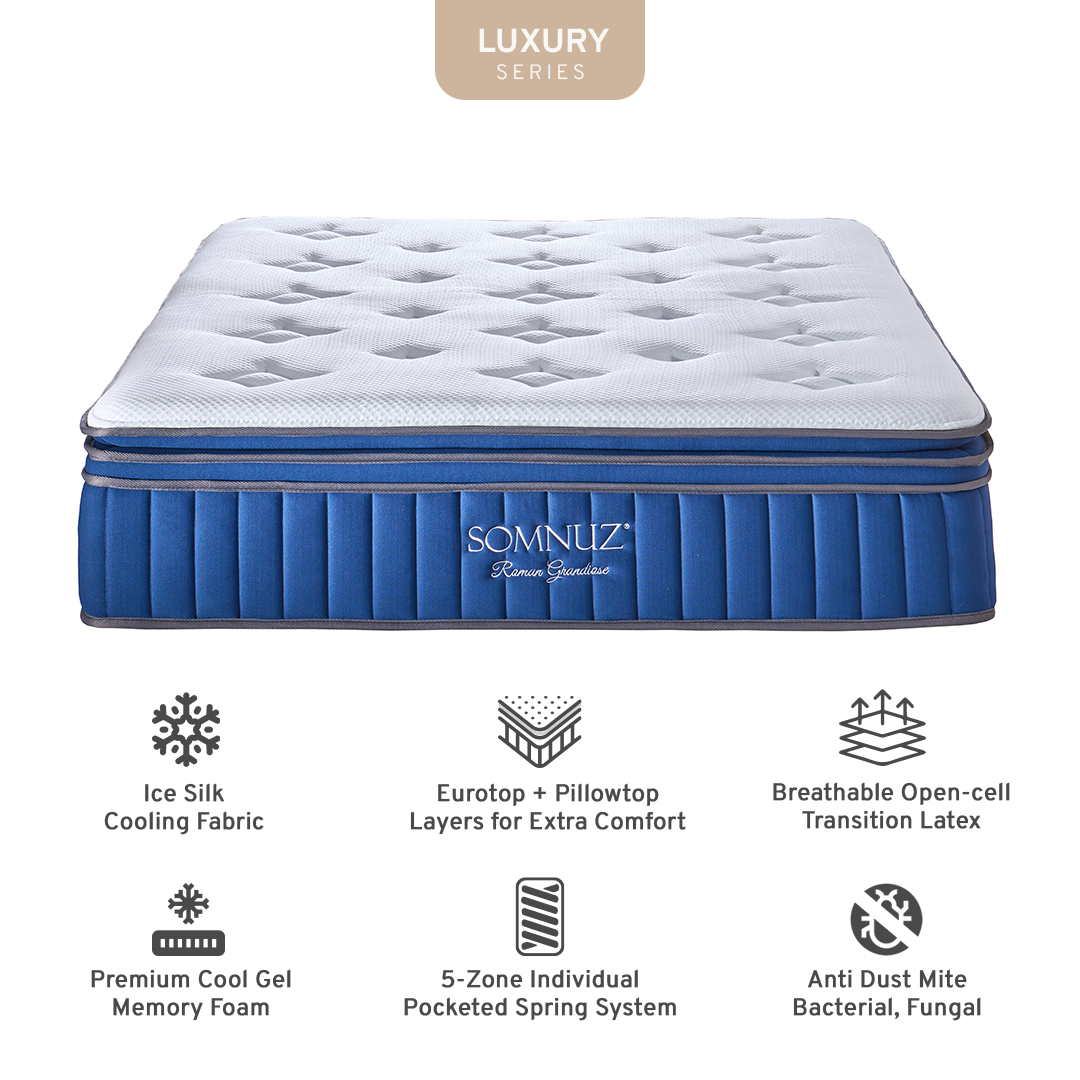
Breathable materials allow air to move more easily through or around the surface. This can feel more comfortable during humid Singapore nights. Natural latex, breathable fabric covers, and well-ventilated mattress designs can be useful for warm sleepers.
You can review natural latex mattress options if you want a more responsive surface with better airflow than dense foam alone.
Motion Control
Motion control helps reduce movement from one side of the bed to the other. This can matter for couples in queen or king beds, especially when one person shifts often.
Pocketed spring designs can help because each spring moves more independently. This gives the mattress a steadier feel and may reduce partner disturbance. For this need, pocketed spring mattresses may be more relevant than a topper with magnets.
Firmness And Pressure Feel
Firmness is about how soft or firm the mattress feels when you lie down. Pressure feel is about how comfortable your shoulders, hips, and body feel against the surface.
Some sleepers prefer a firmer, steadier feel. Others prefer more cushioning. The better choice depends on your body, sleep position, and comfort preference. No single topper or mattress suits everyone.
Magnetic Mattress Topper Buying Questions To Ask
Before buying a magnetic mattress topper, ask practical questions first. These questions help you avoid choosing based only on marketing.
Ask the seller:
- What material is used above and below the magnets?
- How thick is the topper?
- Will it make my mattress softer, firmer, or warmer?
- Can it be cleaned easily in humid weather?
- Is it safe around pacemakers, insulin pumps, or other implanted devices?
- What claims are supported by evidence?
- What happens if it does not suit my mattress?
These questions are especially useful for families, couples, and practical buyers who want peace of mind after purchase. Clear answers matter more than dramatic product claims.
Choose Mattress Comfort With Clearer Guidance
A magnetic mattress topper may sound appealing, but the smarter buying path is to focus on comfort you can feel and features you can understand. Support, cooling, firmness, movement control, and material quality are easier to compare than vague wellness claims.
If your current mattress still feels supportive, a simple topper may be enough to adjust surface comfort. If your mattress feels uneven, too warm, or unsuitable for shared sleep, a new mattress may be a better long-term choice.
Somnuz helps Singapore shoppers choose with clearer guidance, supportive comfort, and service-backed confidence. You can review the Premium Collection online, compare key features, or visit our showroom to try the range in person before deciding.
Shop The Collection
Browse Somnuz mattresses designed for supportive comfort, breathable sleep, and everyday Singapore homes.
Compare Our Mattresses
Review firmness, thickness, cooling, and motion control in one place so you can narrow your options with less guesswork.
Visit The Showroom
Try the range in person, compare comfort levels, and get calm guidance from the Somnuz team before you choose.
Frequently Asked Questions
Is a magnetic mattress topper proven to improve sleep?
Current evidence does not show conclusive proof that static magnets improve pain or sleep outcomes. Comfort may still vary based on the topper’s material, thickness, and surface feel.
Can a magnetic mattress topper help with back pain?
It is safer not to rely on a magnetic mattress topper for back pain relief. If you need stronger support, compare firmness, support feel, and mattress condition instead of choosing based on magnetic claims.
Is a magnetic mattress topper safe for everyone?
People with pacemakers, insulin pumps, implanted devices, pregnancy, or health conditions should speak with a healthcare provider before using magnetic products. Magnets may interfere with some medical devices.
What should I check before buying a mattress topper in Singapore?
Check breathability, thickness, firmness, cleaning instructions, warranty, and how well it fits your current mattress. Humid Singapore nights can make cooling and airflow more important.
Should I buy a topper or replace my mattress?
A topper may help if your mattress is still even and supportive. Mattress replacement may be better if your bed sags, feels too warm, transfers movement, or no longer gives steady comfort.
Can I compare topper alternatives at Somnuz?
Somnuz focuses on helping you compare mattress comfort, support, cooling, and fit. You can browse online first, then try the range in person for clearer guidance.