

Choosing between a standard mattress and mattress alternatives can feel practical at first. Some options save space. Some work for guests. Some feel easy to move, fold, or store.
The harder question is comfort over time.
Daily sleep needs more than a soft surface. It needs support, airflow, enough space, and a setup that suits your body and home. For Singapore sleepers, humid nights, shared bedrooms, HDB layouts, and condo room sizes can also affect what feels right.
This guide explains common mattress alternatives, when they make sense, and when a proper mattress may give you better comfort and peace of mind.
What Counts As Mattress Alternatives?
Mattress alternatives are sleep surfaces used instead of a full mattress. Some are useful for short stays, compact rooms, or temporary setups. Others can work for people who prefer a firmer floor-based feel.
Common options include:
- mattress toppers
- foldable mattresses
- futons
- sofa beds
- daybeds
- air mattresses
- floor mats
- tatami-style sleeping setups
- mattress pads
These options are not all equal. Some add comfort to an existing bed. Some replace a bed for a short time. Some are better suited for guests than nightly use.
The main thing is to ask how often you will use it. Occasional use has different needs from daily sleep. Guest comfort can be simple, but your main sleep setup should support your routine night after night.
When Mattress Alternatives Can Make Sense
Mattress alternatives can be helpful in the right situation. Many Singapore homes need flexible sleep solutions, especially when space is limited or rooms serve more than one purpose.
They may suit:
- guest rooms used only sometimes
- smaller rooms where storage matters
- temporary sleeping arrangements
- short rental stays
- children’s sleepovers
- a multi-use room in an HDB or condo
- people who prefer a lower sleeping surface
For occasional use, a foldable mattress or sofa bed may be enough. The goal is simple comfort, easy storage, and a surface that does not feel too thin.
Floor sleeping can also appeal to people who prefer a firmer feel. Still, it can feel very different from sleeping on a proper mattress. The surface may not cushion the shoulders, hips, or knees enough for some sleepers.
Air mattresses can help when you need a quick guest setup. They are easy to store, but they can lose air, feel unstable, or trap warmth depending on the design.
Mattress toppers are different. They work best when the mattress underneath is still supportive. They can soften the surface, add cushioning, or change the feel slightly. They cannot fix deep sagging or weak support.
Where Mattress Alternatives May Fall Short
Mattress alternatives often solve one issue while creating another. They may save space but lose support. They may feel soft at first but become less comfortable after several hours.
Daily sleepers should watch for these concerns:
- uneven support
- too much sink
- poor airflow
- weak edge stability
- limited space for movement
- heat build-up
- shorter useful life
- less comfort for couples
Support matters because your body weight should feel evenly held across the surface. Too little support can make heavier areas dip more than others. Too much firmness without enough cushioning can also feel uncomfortable, especially for side sleepers.
Couples have another concern: movement across the bed. Many temporary sleep surfaces transfer motion easily. This can disturb shared sleep, especially when one person turns often.
Warmth matters too. Singapore’s humidity can make thin foam, dense padding, or enclosed sofa beds feel warmer at night. Breathable materials and airflow-friendly construction can make a real difference.
For daily comfort, start by browsing a proper mattress collection so you can compare support, cooling, firmness, and size in one place.
Comparing Common Mattress Alternatives
Different alternatives solve different needs. The right choice depends on how often you sleep on it, how much support you need, and how much space your home allows.
Foldable mattresses
Foldable mattresses are easy to store and move. They can work well for guests, children’s rooms, or short-term use. The trade-off is thickness. Many foldable options feel less supportive for adults who use them every night.
Futons and floor mats
Futons and floor mats give a firmer, lower sleeping surface. Some people like this steadier feel. Others may find it too hard around the shoulders and hips. Floor-based setups also need good cleaning habits because humidity and trapped moisture can become a concern.
Sofa beds and daybeds
Sofa beds and daybeds are practical for multi-use spaces. They can suit guest rooms, study rooms, or living areas. Comfort depends heavily on the frame, cushion quality, and sleeping surface. Many are made for occasional use rather than nightly rest.
Mattress toppers
Toppers can improve the surface feel of a mattress that is still in good condition. They can add softness or cushioning. They are not a replacement for a mattress with sagging, weak support, or uneven firmness.
Air mattresses
Air mattresses are convenient for guests. They are compact when deflated and easy to keep aside. For daily sleep, they may feel less stable than a well-built mattress and may need regular air adjustment.
Choosing A Better Daily Sleep Setup
Mattress alternatives can be useful, but your main bed should match your sleep needs more closely. Think about comfort, support, temperature, and shared sleep before deciding.
For daily sleep, check these factors:
- Firmness: Does the surface feel stable without feeling too hard?
- Cushioning: Do your shoulders and hips feel comfortable?
- Cooling: Does the material allow heat to move away more easily?
- Motion control: Does movement travel across the bed?
- Size: Does the mattress fit your room and sleeper needs?
- Durability: Will the setup stay comfortable with nightly use?
- Support: Does the surface feel even from centre to edge?
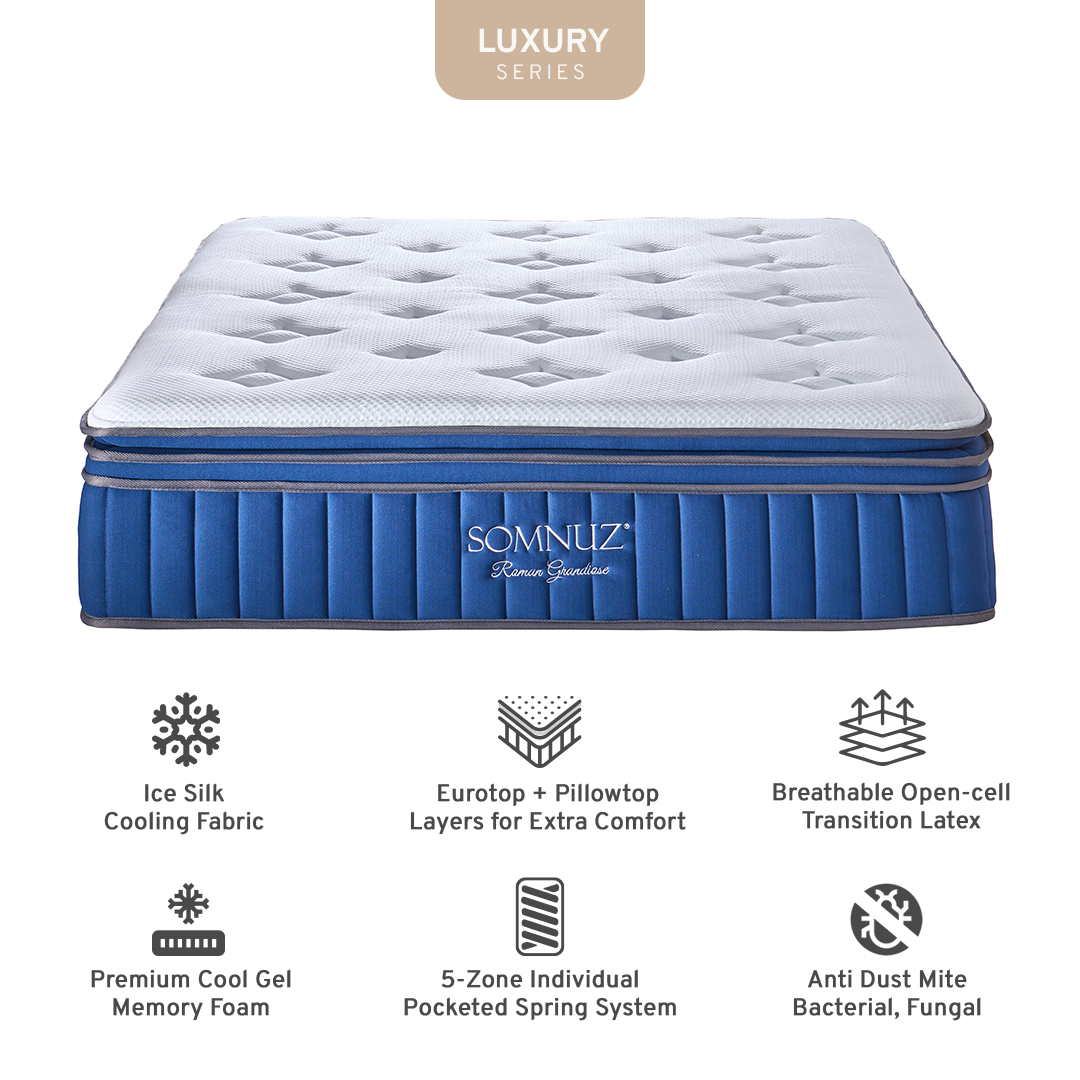
Material also matters. For a more responsive and breathable feel, a latex mattress may suit your needs. For closer cushioning and more body-hugging comfort, a memory foam mattress may be a better fit.
Couples may want to consider a pocketed spring mattress, since the springs move more independently. This helps reduce movement from one side of the bed to the other.
Shoppers who want a guided shortlist can also review the premium mattress collection to compare everyday comfort options made for different sleep needs.
How To Decide Without Guesswork
The best choice is not always the thickest, softest, or firmest option. It is the one that fits how you sleep and how your home works.
Start with your main use case. Guest use can be flexible. Daily sleep should be more considered.
Then compare your sleep habits. Side sleepers may prefer more cushioning. Back sleepers often prefer a balanced surface. Stomach sleepers may need a steadier feel with less sink. Couples should look closely at motion control, cooling, and space.
Room fit matters as well. Smaller HDB bedrooms may need a careful size choice. Condo rooms may need a balance between comfort and walking space. Landed homes may involve buying for several rooms, so dependable guidance becomes even more useful.
Use the compare our mattresses page to narrow your options by firmness, mattress type, cooling features, and support feel. This keeps the decision practical instead of overwhelming.
Mattress Alternatives For Better Sleep In Singapore
Mattress alternatives have their place. They can help with guests, compact rooms, temporary arrangements, and flexible spaces. They are often practical, easy to store, and useful when you need a short-term sleep surface.
For nightly sleep, the decision should be more careful. Comfort needs to last through the night. Support needs to feel steady. Cooling matters in Singapore’s humid climate. Couples may also need less partner disturbance and enough space to rest comfortably.
Somnuz helps make that choice clearer with supportive, breathable mattress options and guidance before and after purchase. When you want to feel the difference in person, visit our mattress showroom Singapore to compare comfort levels with calm guidance from the sleep team.
Find The Comfort That Fits Your Sleep Needs
Shop the Collection to compare supportive and breathable mattresses for Singapore homes.
Compare Our Mattresses to narrow your options by firmness, material, cooling, and motion control.
Visit the Showroom to try the range in person and choose with more confidence.
Frequently Asked Questions
Are mattress alternatives good for daily sleep?
Some mattress alternatives can work for short periods, but daily sleep usually needs stronger support and better comfort. Proper mattress support is often more suitable when you need consistent comfort, cooling, and space every night.
What is the best mattress alternative for a guest room?
Foldable mattresses, sofa beds, and daybeds can work well for guest rooms. The better choice depends on room size, storage needs, and how often guests stay overnight.
Can a mattress topper replace a mattress?
Mattress toppers should not replace a mattress. They work best when the mattress underneath is still supportive. They can adjust surface comfort, but they cannot fix sagging or weak support.
Are floor mattresses suitable for Singapore homes?
Floor mattresses can be practical for temporary use, but humidity, cleaning, and airflow need attention. Keeping the surface dry and well-aired matters in Singapore’s climate.
What should couples consider before choosing mattress alternatives?
Couples should look at space, support, cooling, and motion transfer. Many temporary options move too much or feel too narrow for shared sleep, so a proper mattress may feel more stable.
When should I choose a proper mattress instead?
Choose a proper mattress when you need nightly comfort, steady support, better cooling, and long-term peace of mind. This matters most for your main bedroom and shared sleep setups.