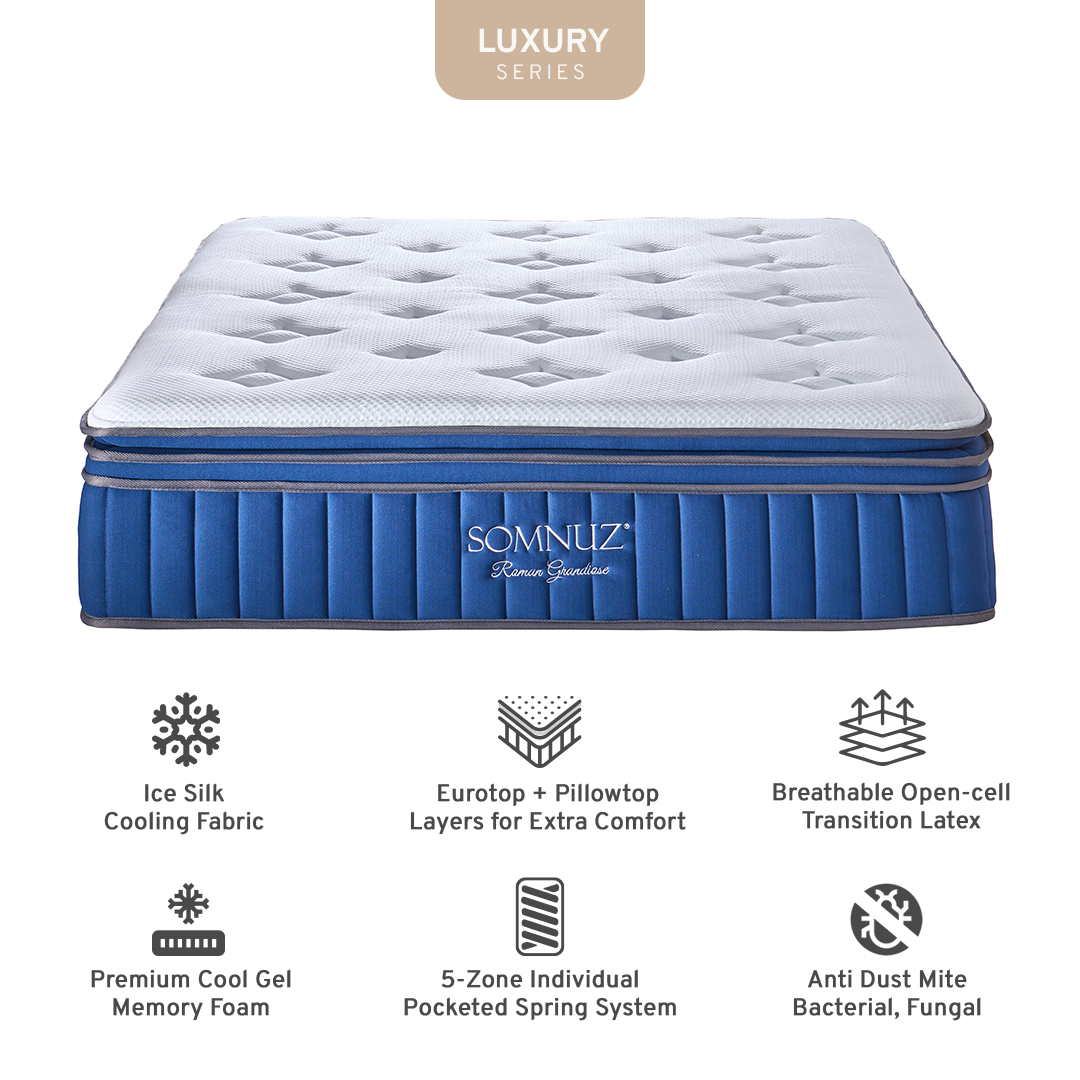


Choosing mattress cloth can feel like a small detail until you sleep on it every night. The fabric around your mattress affects surface feel, warmth, breathability, and daily care. It also affects how clean and comfortable your bed feels in Singapore’s humid weather.
Mattress cloth is not only about how the bed looks. It is the material that sits closest to your bedsheet and helps shape the first layer of comfort. Some fabrics feel smooth and cool. Some feel softer and warmer. Some are designed for easier care, better airflow, or stronger protection against spills.
What Mattress Cloth Really Means
Mattress cloth usually refers to the cover fabric on the outside of the mattress. It is the textile surface sewn around the comfort layers and support core.
You may also hear it called mattress fabric, mattress ticking, cover fabric, or outer cover. These terms can sound technical, but the idea is simple. It is the fabric layer you feel through your bedsheet when you lie down.
Good mattress cloth should support the way the whole mattress feels. It should not make the surface too stuffy, too rough, or too hard to care for. It should work with the mattress materials inside, such as latex, memory foam, or pocketed springs.
For Singapore homes, the right cloth can make a practical difference. Warm nights, air-conditioning habits, shared beds, and smaller bedrooms can all affect how comfortable a mattress feels over time.
Why Mattress Cloth Matters In Singapore Homes
Mattress cloth matters because Singapore bedrooms often deal with heat and humidity. Even with air-conditioning, many sleepers still want a surface that feels breathable and less heavy.
Fabric choice can affect how quickly heat builds up near the body. It can also affect how fresh the surface feels after long use. Breathable materials allow more air movement near the surface, which can feel more comfortable for sleepers who get warm at night.
Couples should also pay attention to cloth feel. One person may prefer a smoother, cooler surface while the other wants a softer touch. The fabric will not replace proper support, but it can influence the first impression when both people lie down.
Families may care more about durability and easier cleaning. Children, pets, and daily use can make spill resistance and simple care more important. Practical buyers should look at the full mattress, not only the fabric. Still, cloth is one of the easiest details to notice every night.
For more local guidance on cooler sleep, the cooling mattress Singapore page can help you compare breathable comfort features in a more focused way.
Common Mattress Cloth Materials And What They Feel Like
Different mattress fabrics create different surface feels. No single fabric suits every sleeper, so it helps to understand the main differences before comparing models.
Knitted Fabric
Knitted fabric often feels soft, flexible, and slightly stretchy. It can make the mattress surface feel more welcoming because it moves with the comfort layers below.
This type of cloth may suit sleepers who want a gentle first touch without a stiff surface.
Bamboo Fabric
Bamboo fabric is often chosen for its smooth feel and breathable quality. It can feel comfortable in warm rooms because it has a lighter surface touch.
Sleepers who feel warm at night may prefer this kind of fabric, especially when it is paired with breathable layers underneath. You can also review latex mattresses if you want a more responsive feel with better airflow.
Tencel Or Plant-Based Fabric
Tencel and plant-based fabrics are often used when a softer, smoother, and more breathable surface is preferred. They can feel gentle on the skin and may suit sleepers who dislike rougher textile finishes.
These fabrics can also support a more polished mattress feel without making the mattress seem too formal or delicate for daily use.
Treated Or Water-Repellent Fabric
Treated fabric can add a layer of practical protection. Some mattress cloth options are designed to resist moisture or make small spills easier to manage.
This can be helpful for families, guest rooms, and homes where the mattress needs to handle more daily activity. It does not remove the need for proper care, but it can add peace of mind.
Belgium Fabric
Belgium fabric is often linked with a smoother, more refined textile feel. It can give the mattress surface a clean and comfortable finish.
Shoppers who care about both feel and presentation may appreciate this option, especially for master bedrooms or guest rooms where the bed is part of a more considered setup.
What To Check Before Choosing Mattress Fabric
Mattress cloth should be judged together with comfort, support, and care needs. Use the fabric as one part of your decision, not the whole reason to choose a mattress.
Before buying, check these details:
- Surface feel: Lie down long enough to notice if the fabric feels smooth, warm, cool, soft, or firm through your bedsheet.
- Breathability: Ask how the cover fabric works with the comfort layers to reduce heat build-up.
- Care needs: Check how the surface should be cleaned and how often the mattress should be rotated.
- Durability: Look for fabric that feels well finished, especially for daily use by couples or families.
- Support match: Make sure the mattress still gives the support and firmness you prefer.
- Room fit: Consider how the mattress height, bedframe, and bedding work together in your bedroom.
The fabric should feel comfortable, but it should also work with your actual sleep routine. Cooler cloth may suit warm sleepers. More protective cloth may suit families. Smoother cloth may suit shoppers who want a more refined bedroom feel.
Shoppers who are still comparing materials, firmness, and cooling can start with the full mattress collection to see how different comfort options are grouped.
How Mattress Cloth Works With Support, Cooling, And Motion Control
Mattress cloth does not work alone. It sits above the comfort layers and support system, so the full mattress design still matters most.
For support, the cloth should let the comfort layers respond properly. Fabric that feels too stiff can make the surface feel less flexible. Fabric that feels too loose may not give a neat, steady surface.
For cooling, cloth works with the layers beneath it. Breathable fabric can help the surface feel lighter, but cooling comfort also depends on latex, foam structure, spring design, and airflow. Sleepers in humid Singapore homes should compare the full construction, not just one fabric label.
For movement control, the support system matters more than the cloth. Individually pocketed springs can help reduce movement transfer because each spring responds more independently. This can be useful for couples who share a bed and want less disturbance when one person turns. You can compare pocketed spring mattresses if reduced partner disturbance is high on your list.
Fabric still contributes to comfort because it shapes the first contact with your body. Good cloth can make a supportive mattress feel easier to settle into. Poor fabric choice can make even a well-built mattress feel less comfortable than expected.
Choose Mattress Cloth With Clearer Guidance In Singapore
Choosing mattress cloth should feel practical, not confusing. Start with the way you sleep, then think about heat, surface feel, care, and shared-bed needs.
For most Singapore shoppers, the better question is not which fabric sounds most advanced. It is which cloth works with the mattress design to create comfort that suits your home and routine.
Couples may want breathable fabric with motion-control support. Families may want easier care and a durable surface. Warm sleepers may want lighter, cooler materials. Practical buyers may want a balanced feel that stays comfortable through daily use.
Online research can help you narrow the options, but in-person testing is useful when the differences feel hard to judge from a screen. Comparing firmness, fabric feel, cooling, and support side by side can make the decision easier.
You can compare mattress options online first, then visit our showroom for calm guidance and a clearer feel of what suits you. Somnuz supports Singapore shoppers with practical advice, dependable service, and comfort choices made for real sleep needs.
Shop The Collection With More Confidence
Shop the Collection
Browse Somnuz mattresses online to compare fabrics, support levels, cooling features, and comfort feels at your own pace.
Compare Our Mattresses
Review mattress type, thickness, firmness, cooling effect, and motion control before narrowing your shortlist.
Visit the Showroom
Try the range in person and speak with the Somnuz sleep team for clear, practical guidance before you decide.
Frequently Asked Questions
What is mattress cloth?
Mattress cloth is the fabric cover on the outside of the mattress. It is also called mattress fabric, ticking, or cover fabric. It affects surface feel, breathability, and daily comfort.
Does mattress cloth affect cooling?
Yes, mattress cloth can affect how cool or warm the surface feels. Breathable fabrics may help reduce heat build-up near the body, but cooling also depends on the comfort layers and support system inside the mattress.
Which mattress cloth is good for Singapore weather?
Breathable fabrics are often more comfortable for Singapore’s humid weather. Bamboo, Tencel, plant-based fabrics, and other lighter textile options may suit sleepers who prefer a cooler surface feel.
Is water-repellent mattress fabric useful?
Water-repellent fabric can be useful for families, guest rooms, and homes where spills are more likely. It adds practical protection, but regular care and a good mattress protector still matter.
Should couples choose a specific mattress cloth?
Couples should choose cloth that both people find comfortable. The fabric should also work with the support system. Motion-control features usually matter more for reducing partner disturbance.
How do I test mattress cloth before buying?
Lie down for several minutes and notice the surface feel through the bedsheet. Check if it feels too warm, too rough, too soft, or comfortably breathable. Showroom testing helps you compare these details more clearly.