

Finding the right mattress for back pain can feel confusing. Many shoppers are told to buy the firmest mattress, but support is more personal than that.
The right mattress should help your body feel evenly held without making the surface feel harsh. It should also suit your sleep position, body shape, comfort preference, and bedroom routine.
No mattress should be treated as a cure for back pain. Ongoing or severe pain should be discussed with a qualified healthcare professional. Still, the right fit may help you rest with steadier support and more comfort through the night.
For Singapore homes, the decision also includes humid nights, shared sleeping spaces, room size, and after-sales confidence.
Why Support Matters When Choosing A Mattress For Back Pain
Support is the way a mattress holds your body as you rest. Good support helps your shoulders, lower back, and hips feel more evenly placed.
Support is not the same as hardness. Firmness is how the surface feels. Support is how well the mattress keeps your body from sinking too much or resting unevenly.
Poor support can make a mattress feel unstable over time. Common signs include:
- Your hips sink deeper than the rest of your body.
- Your lower back feels unsupported.
- The mattress feels uneven or saggy.
- You keep changing positions to feel comfortable.
Somnuz has an orthopedic mattress guide that explains firmness, materials, and comfort in simple terms.
Firm, Medium-Firm, Or Soft: Which Support Level Should You Choose?
Firmness describes how the top of the mattress feels when you lie down. The best support level depends on how your body rests on the mattress.
Firm Mattresses
Firm mattresses suit sleepers who prefer a steadier surface. Back sleepers and stomach sleepers often look for this feel because it can reduce deep sinking around the hips.
Firm should not mean uncomfortable. The mattress should still have enough comfort layers to avoid a stiff or board-like feel.
Medium-Firm Mattresses
Medium-firm mattresses are often practical for shoppers who want comfort and support together. This feel may suit many back sleepers, combination sleepers, and couples with different preferences.
Softer Mattresses
Softer mattresses may feel plush at first, especially for side sleepers who need more cushioning around the shoulders and hips. The base still needs to feel supportive.
Use this simple guide:
- Firm: Steadier feel, less sink, often preferred by back and stomach sleepers.
- Medium-firm: Balanced support and cushioning for many sleepers.
- Soft: More cushioning, often preferred by some side sleepers.
You can compare mattress firmness levels to see how different Somnuz options feel across comfort, support, cooling, and materials.
Match Your Mattress Support To Your Sleep Position
Your sleeping position affects how much support and cushioning you may need. One mattress for back pain will not suit every person.
Back Sleepers
Back sleepers usually need balanced support. The mattress should hold the lower back gently without letting the hips sink too far.
Side Sleepers
Side sleepers often need more pressure relief. The shoulders and hips press more directly into the mattress, so cushioning can help the body feel more comfortable.
Stomach Sleepers
Stomach sleepers often need firmer support because the hips can sink into the mattress. Too much sinking may make the body feel bent out of position.
Combination Sleepers
Combination sleepers change positions through the night. They often need a mattress that supports movement without feeling too hard or too soft.
Look Beyond Firmness: Materials Also Affect Comfort And Support
Materials change how a mattress feels. Two mattresses can share the same firmness rating but feel different because of their spring system, foam, latex, layers, and cover materials.
Pocketed Springs For Steady Support
Pocketed springs move more independently across the mattress. This helps the mattress respond to different parts of the body without the whole surface moving at once.
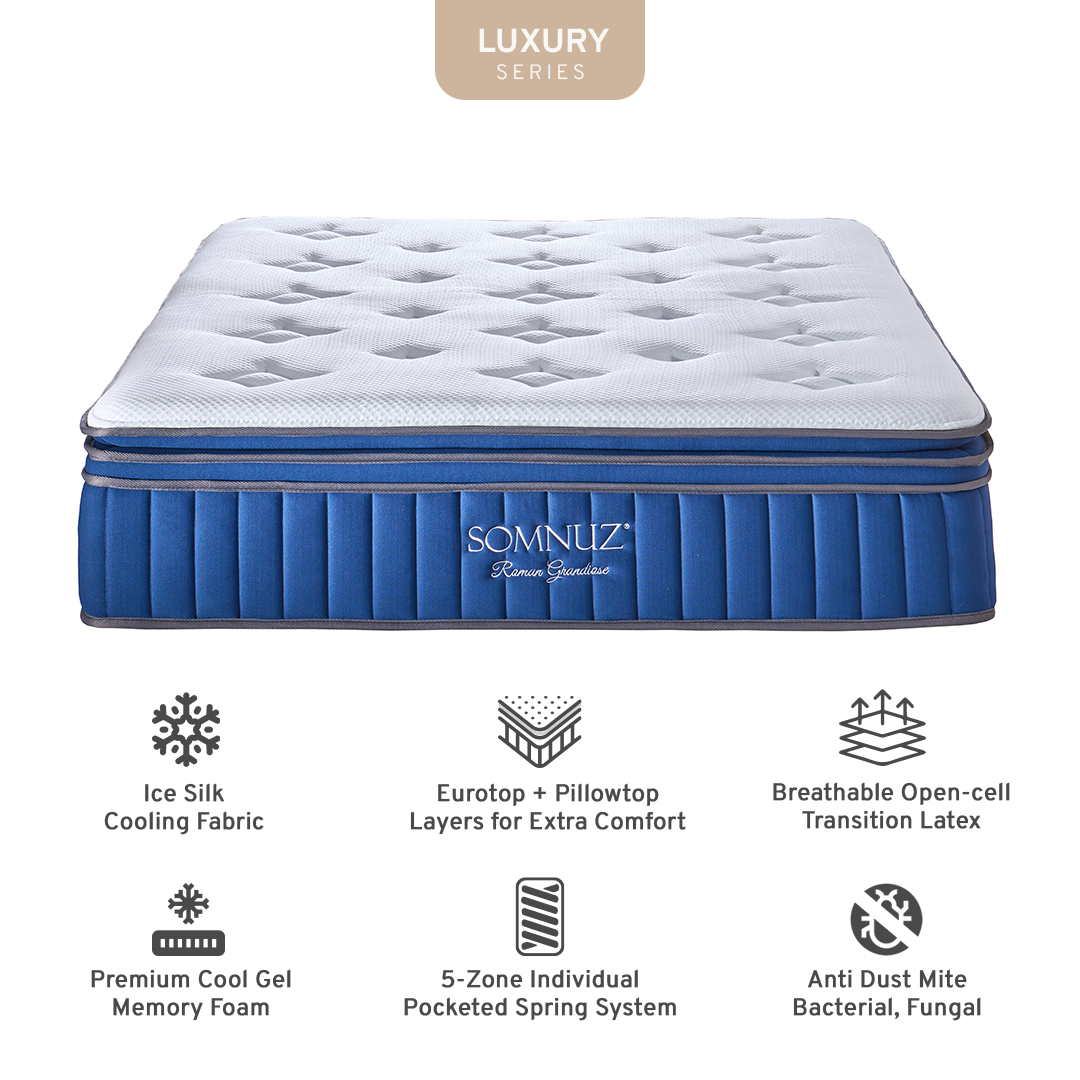
This can be helpful for couples because it may reduce movement from one side of the bed to the other. Somnuz pocketed spring support is also useful for shoppers who want a steadier base with airflow through the mattress core.
Memory Foam For Pressure Relief
Memory foam responds to body shape and weight. It can help cushion pressure points, especially around the shoulders and hips.
For back support, memory foam should be paired with a stable base. Too much sink can feel less supportive for some sleepers. Somnuz pressure-relieving memory foam options are worth comparing if you prefer a more contouring feel.
Latex For Responsive Comfort
Latex usually feels more responsive than memory foam. It can cushion the body without the same deep hugging feel.
This may suit sleepers who dislike feeling stuck in the mattress. Somnuz responsive latex support can also appeal to shoppers who care about breathability during humid Singapore nights.
What Singapore Shoppers Should Consider Before Buying
Singapore homes bring practical needs into mattress shopping. Support matters, but comfort in local weather and shared bedrooms also matters.
Humid nights can make some mattresses feel warmer than expected. Breathable materials, airflow, and covers that help reduce heat build-up can support a more comfortable sleep environment.
Couples should also think about movement. The right motion-control design can feel more comfortable when one person turns, gets up, or changes position.
Room size matters too. HDB, condo, and landed home bedrooms may have different space needs. Queen size may suit many couples, while super single or king sizes may make more sense depending on the room.
Before buying, consider:
- Your usual sleep position
- Your preferred firmness
- Your need for pressure relief
- Your partner’s movement at night
- Your room size and bed frame
- Your comfort during humid nights
- Your need for guidance and after-sales support
The goal is not to chase the firmest mattress. The goal is to find support that feels right for your body, home, and routine.
How To Test A Mattress For Better Back Support
Testing a mattress in person can help reduce guesswork. This is useful when comparing support levels for back comfort.
Use this simple process:
- Lie in your usual sleep position. Your body feels support differently when fully lying down.
- Spend enough time on the mattress. Give your body a few minutes to settle.
- Check your lower back. Your lower back should feel held, not floating or sinking too deeply.
- Notice pressure around your shoulders and hips. Support should feel steady, not harsh.
- Move as you normally would at night. Combination sleepers should test turning from back to side.
- Test with your partner where possible. Notice how much movement travels across the mattress.
- Ask for guidance. A sleep team can help you compare firmness, material feel, and support level.
Somnuz lets you visit our showroom to try the range in person and compare comfort levels with guided support.
Choose A Mattress For Back Pain With Better Support And Confidence
A mattress for back pain should feel supportive, comfortable, and suited to your sleep habits. The right choice is not always the hardest mattress. It is the one that helps your body feel steadier while still giving enough comfort where you need it.
Support level, firmness, sleep position, materials, and local comfort all work together. For Singapore shoppers, breathable sleep, reduced partner disturbance, and dependable guidance can make the buying process feel clearer.
Start with how you sleep, compare the support levels, and choose a mattress that gives you confidence before and after purchase.
Find Support That Feels Right For You
Shop the Somnuz mattress collection to compare supportive, breathable options made for different comfort preferences. For clearer guidance, try the range in person and speak with the Somnuz sleep team before choosing. Better mattress support starts with understanding what feels right for your body, sleep position, and home.
Frequently Asked Questions
Is A Firm Mattress Always Better For Back Pain?
No. Firm support is not always better for every sleeper. The mattress should feel supportive without creating harsh pressure around the shoulders, hips, or lower back.
What Mattress Firmness Is Best For Lower Back Support?
Many shoppers prefer medium-firm or firmer support for a steadier feel. The right choice depends on your sleep position, body weight, comfort preference, and how evenly the mattress supports your body.
Can A Mattress Cure Back Pain?
No mattress should be treated as a cure for back pain. The right mattress fit may help you feel more supported and comfortable, but ongoing pain should be discussed with a qualified healthcare professional.
Is Memory Foam Good For Back Support?
Memory foam can help with pressure relief because it responds to body shape. For back support, it should be paired with a stable base so the body does not sink too deeply.
Should I Try A Mattress In Person Before Buying?
Trying a mattress in person can help you compare support, firmness, and comfort more clearly. It also gives you a chance to ask questions and choose with more confidence.