

Lower back pain is one of the most common reasons people seek a new mattress. While a mattress is not a medical treatment and no mattress can guarantee relief from back pain, the right sleeping surface does make a meaningful difference to how comfortable sleep is and how the body feels in the morning.
This guide explains what different sleepers with lower back concerns typically need from a mattress and how to approach the choice practically. It is not a substitute for medical advice, and if lower back pain is persistent or significant, consulting a healthcare provider is important.
How Sleeping Position Affects Lower Back Comfort
Back Sleepers With Lower Back Pain
Back sleepers who experience lower back discomfort often benefit from a medium to medium-firm mattress that supports the lumbar curve without allowing the hips to sink. When the hips sink too deeply, the lumbar spine curves away from its natural position, which can contribute to morning stiffness.
The ideal surface supports the lower back consistently throughout the night without creating pressure at the sacrum or heels.
Side Sleepers With Lower Back Pain
Side sleepers with lower back concerns often benefit from a medium-soft to medium mattress. Adequate cushioning at the shoulder and hip allows these points to sink slightly, keeping the spine between them in a roughly neutral position.
Placing a firm pillow between the knees in side sleeping reduces the rotational pull on the lower back and can help manage discomfort in this position alongside a suitable mattress.
Front Sleepers With Lower Back Pain
Front sleeping is generally considered the position most likely to create lower back strain when the mattress is too soft, because the hips sink and hyperextend the lumbar spine. A firmer mattress that keeps the hips level with the shoulders reduces this concern for front sleepers.
If lower back pain is significant, reconsidering front sleeping as a position in consultation with a healthcare provider may be worthwhile alongside mattress selection.
What Mattress Properties Help Lower Back Comfort
Appropriate Firmness for the Position
As described, the right firmness depends on sleeping position. There is no single firmness that suits all lower back concerns.
Medium-firm is frequently cited as a practical starting point for back pain management because it suits back and some front sleeping positions while providing reasonable accommodation for other positions. However, for a side sleeper with lower back concerns, a softer specification at the sleeping surface is likely more appropriate.
Consistent Support Across the Surface
A mattress that provides even support across its surface prevents localised pressure points and ensures that the sleep surface does not create or exacerbate spinal misalignment. This is where mattress quality matters directly: a worn mattress with body impressions no longer provides the consistent support it did when new.
Pressure Relief at Contact Points
Reducing concentrated pressure at hip, sacrum, and lower back contact points helps the muscles around these areas relax during sleep rather than remaining activated against localised pressure.
Construction Options
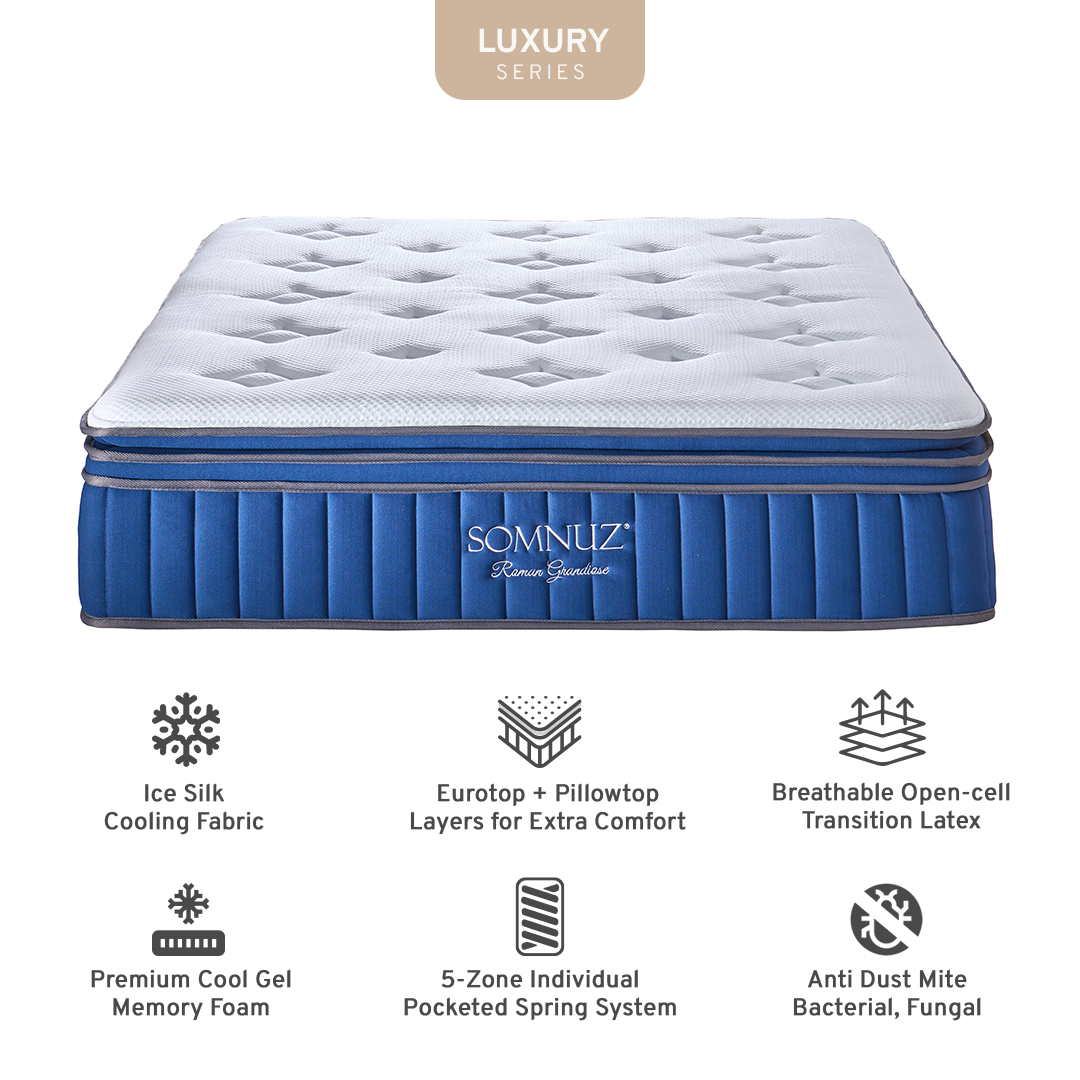
A pocketed spring mattress or hybrid in medium to medium-firm provides consistent support with natural airflow suited to Singapore's climate. A memory foam mattress with adequate density provides body-contouring pressure relief. A latex mattress offers responsive support with natural breathability.
All three construction types can provide appropriate support for lower back comfort when specified correctly for the sleeper's position and body weight.
Testing the Mattress
The most reliable way to assess whether a mattress will support lower back comfort is to try it in your actual sleeping position for at least ten to fifteen minutes. Notice whether the lower back feels supported or whether you are aware of pressure or misalignment. This physical assessment in a showroom is more informative than any specification can be on its own.
The Somnuz mattress collection includes options across different constructions and firmness levels. Visiting our showroom in Singapore gives you the opportunity to try different options and get practical guidance from the team. The Sleep Well resource page covers broader sleep environment guidance.
Frequently Asked Questions
What mattress firmness is best for lower back pain?
It depends on sleeping position. Back and front sleepers typically benefit from medium to medium-firm. Side sleepers often need medium-soft to medium for adequate pressure relief at the shoulder and hip that prevents spinal misalignment. Medium-firm is a practical starting point for those who sleep in multiple positions.
Is a firm mattress good for lower back pain?
For some sleepers and positions, yes. Front sleepers and some back sleepers benefit from firmness that prevents hip sinking. For side sleepers, a very firm mattress can create pressure at the shoulder and hip that is counterproductive.
Can a mattress cause lower back pain?
Yes. A mattress too soft may allow excessive hip sinking and spinal misalignment. A worn mattress with body impressions provides uneven support. Either can contribute to lower back discomfort that is worse in the morning.
How do I know if my mattress is causing my back pain?
Waking with lower back stiffness that improves within an hour or so of moving around is a common indicator that the sleeping surface is not providing appropriate support. Sleeping better on different surfaces, such as hotel beds, compared to your own mattress is another useful signal.
Should I see a doctor before choosing a mattress for back pain?
If lower back pain is persistent or affects daily functioning, consulting a healthcare provider is advisable. A healthcare provider familiar with your specific condition can provide guidance tailored to your situation alongside mattress selection.
Does mattress age affect lower back comfort?
Yes significantly. A mattress that was appropriate for your back when new may no longer provide the same support after years of use if comfort layers have compressed or springs have lost tension. If a previously comfortable mattress has become associated with morning back stiffness, age and wear may be the cause.
Find a Mattress That Supports Your Back
The right combination of firmness and construction for your sleeping position makes a real difference to how your back feels.
Browse the Somnuz mattress collection across different firmness levels and constructions. Or visit our showroom in Singapore to try different options in your sleeping position.