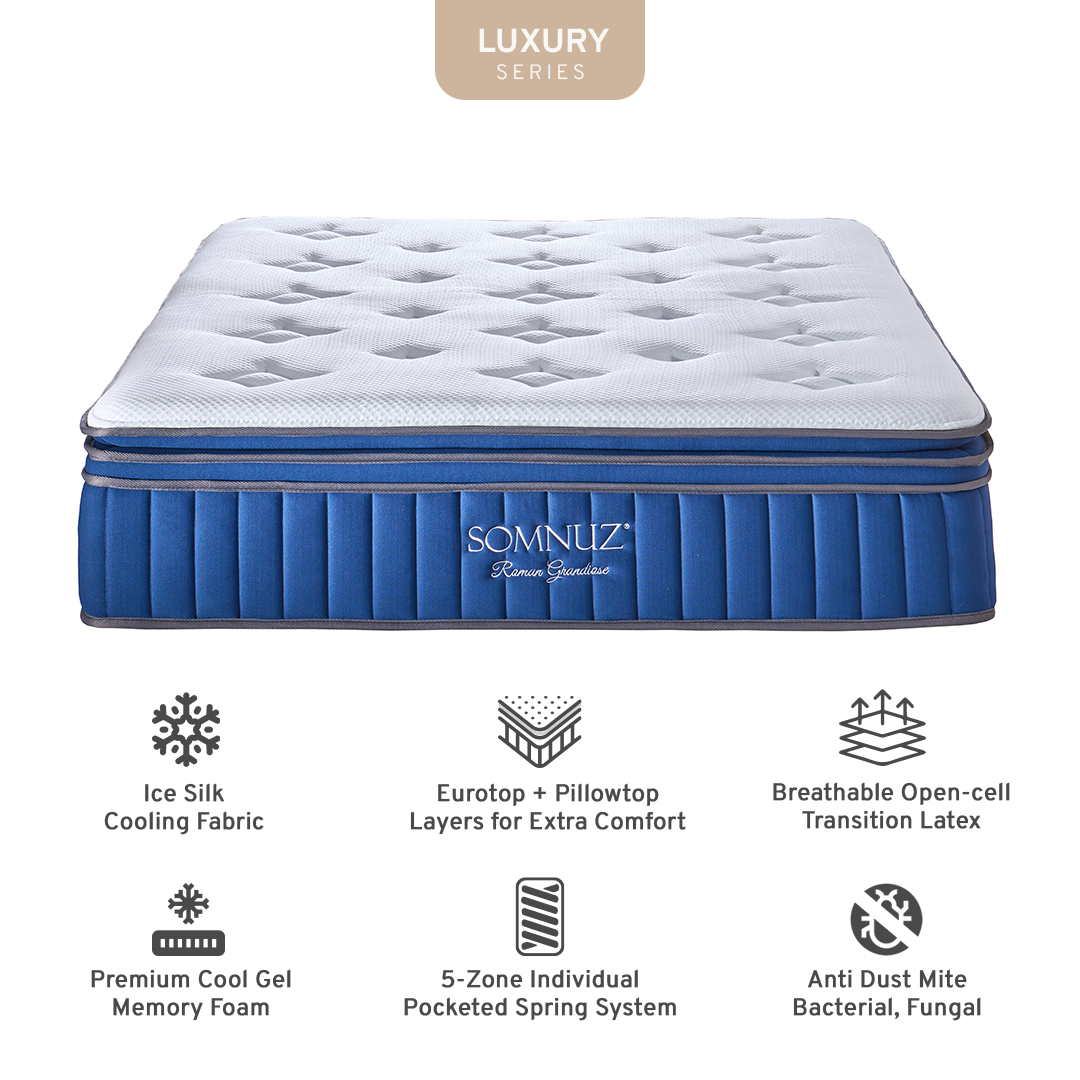


Mattress lifetime is not only about how many years you have owned your mattress. It is also about how well it still supports your body, manages comfort, and helps you rest without feeling uneven, warm, or disturbed.
Many people keep a mattress for years because it still looks fine. The surface may seem clean, the shape may look acceptable, and the bed may still feel familiar. Still, the inner support can change slowly over time. Comfort layers may soften. Springs may feel less steady. Foam may hold deeper body impressions.
For Singapore homes, this matters even more because mattresses are used nightly in a warm and humid climate. Couples, families, HDB homeowners, condo residents, and landed households all need a mattress that still feels supportive for daily rest.
This guide explains what affects mattress lifetime, when replacement may make sense, and how to choose your next mattress with more confidence.
What Mattress Lifetime Really Means
Mattress lifetime means how long your mattress can provide steady comfort, proper support, and a clean sleeping surface.
Many mattresses last around 7 to 10 years, but this is only a general guide. Some may wear out sooner. Others may stay comfortable for longer with better materials, proper care, and suitable support underneath.
Age alone does not tell the full story. A mattress may be only five years old but already feel uneven. Another may be older but still feel steady and comfortable. The more important question is simple: does your mattress still help you sleep comfortably?
A good mattress should still feel supportive in the areas where your body needs it most. Your shoulders, hips, and lower back should not feel like they are sinking too far into the surface. The mattress should also feel even across the bed, especially if you share it with a partner.
Key Factors That Affect Mattress Lifetime
Several factors can affect how long a mattress stays comfortable and supportive. Some are linked to the mattress itself. Others depend on your home, sleep habits, and care routine.
Key factors include:
- Mattress material: Latex, memory foam, pocketed springs, and hybrid designs all wear differently.
- Build quality: Better internal support and stronger comfort layers usually help a mattress keep its feel longer.
- Daily use: A mattress used every night wears faster than one in a guest room.
- Sleeper weight and habits: More pressure in the same areas can deepen body impressions over time.
- Shared sleep: Couples may place more demand on the mattress, especially around the centre and edges.
- Humidity: Singapore’s warm, humid climate makes ventilation and care more important.
- Bed base support: A weak or uneven base can make a mattress lose shape faster.
- Care routine: Rotation, ventilation, and a mattress protector can help support longer use.
Material choice also affects feel over time. A latex mattress often feels more responsive and breathable, which may suit sleepers who prefer a springier surface and better air movement. A memory foam mattress offers closer body contouring, which some sleepers like for pressure comfort, but it should still feel even and supportive as it ages.
No material is right for everyone. The best choice depends on your comfort preference, sleeping position, climate needs, and how the mattress feels after regular use.
Signs Your Mattress May Be Reaching The End Of Its Life
You do not need to wait until a mattress feels completely uncomfortable before replacing it. Small signs can build slowly, especially when you use the same bed every night.
Visible Sagging Or Body Impressions
Sagging is one of the clearest signs that a mattress may be losing support. This may show as dips, uneven areas, or a hollow where you usually sleep.
Light surface impressions can happen with normal use. Deeper dips are different. They can make your body rest at an uneven angle and may affect how supported you feel through the night.
Check the mattress without bedding. Look across the surface. Press around the areas where you usually sleep. If one side feels much softer than the other, or if the centre sinks more than it should, replacement may be worth considering.
Less Support Than Before
A mattress can lose support even if it does not show obvious sagging. You may notice that it feels softer, less steady, or harder to get comfortable on.
This can happen when the comfort layers compress or the internal support weakens. The mattress may still feel familiar, but it no longer holds your body as evenly as it once did.
Support is not the same as firmness. A softer mattress can still be supportive if it keeps your body settled and balanced. A firmer mattress can feel unsupportive if it creates pressure or does not suit your sleeping style.
More Partner Disturbance
Couples may notice mattress wear sooner because shared sleep places more demand across the surface. If movement from one side of the bed feels more noticeable than before, the mattress may no longer be controlling motion as well.
A pocketed spring mattress uses springs that move more independently. This can help reduce movement travelling across the bed, which is useful for shared sleeping spaces. Over time, though, any mattress can lose some of its steadiness if the support system weakens.
Partner disturbance is not only about the other person moving. It can also come from uneven dips, softer edges, or a surface that no longer feels balanced.
How Singapore Homes Can Affect Mattress Wear
Singapore’s climate can affect how a mattress feels and ages. Warm nights, high humidity, and regular air-conditioning changes can all influence the sleeping environment.
In HDB and condo bedrooms, space may also affect airflow around the bed. A mattress placed close to walls, built-in wardrobes, or tight corners may have less ventilation. This does not mean the mattress will fail quickly, but it does make care more important.
Humidity can also make some sleepers feel warmer at night. Over time, this may affect how comfortable the mattress feels, especially if the surface traps heat or moisture. Breathable materials and proper ventilation can help create a fresher sleep setup.
Household use matters too. Families may use the bed for reading, resting, children’s routines, or weekend lounging. A mattress in a main bedroom often handles much more daily use than expected.
For landed homes or larger households, mattress needs may also vary from room to room. The main bedroom, guest room, and children’s room may each need different levels of support, comfort, and durability.
Can Mattress Care Help Extend Its Lifetime?
Good care cannot make a worn-out mattress feel new again, but it can help protect comfort and support for longer.
Useful care habits include:
- Use a suitable bed base: A stable base helps the mattress stay properly supported.
- Rotate when advised: Some mattresses benefit from rotation, depending on their design and care instructions.
- Keep the mattress dry: Ventilation matters in humid Singapore homes.
- Use a mattress protector: This helps reduce exposure to spills, sweat, and dust.
- Avoid bending the mattress: Some mattresses are not designed to be folded or sharply bent.
- Check care instructions: Follow the brand’s guidance for cleaning, rotation, and support.
- Let the room breathe: Airflow around the bed can help the sleep surface feel fresher.
Care also includes noticing changes early. If your mattress feels different from one year to the next, do not ignore it. Comfort changes often happen gradually, and you may only notice them when you sleep on another bed or test a new mattress in person.
How To Choose A Replacement Mattress With More Confidence
Replacing your mattress is not only about getting a new bed. It is about finding a comfort level that suits how you sleep now.
Your sleep needs may have changed since your last purchase. You may now share your bed. You may prefer a cooler surface. You may want stronger support, better motion control, or a mattress that feels easier to maintain in Singapore’s climate.
Before replacing your mattress, think about:
- Your preferred firmness
- Your sleeping position
- Heat build-up during the night
- Partner movement
- Edge support
- Mattress height
- Bedroom size
- Delivery and after-sales support
It can help to compare mattress options before making a decision. Comparing firmness, materials, cooling features, and support levels gives you a clearer view of what may suit your home and sleep routine.
For Couples
Couples should look for a mattress that feels steady across the bed. Reduced movement can make shared sleep more comfortable, especially if one person turns often or sleeps at a different schedule.
Balanced support also matters. A mattress should not feel too soft in the centre or too firm for one sleeper. Testing different comfort levels can help both people choose with less guesswork.
For Warm Sleepers
Warm sleepers may want breathable materials and a surface that helps reduce heat build-up. This is especially relevant in Singapore, where humid nights can make trapped warmth feel more noticeable.
Cooling comfort does not mean the mattress will feel cold. It means the materials are designed to support better airflow and a more comfortable surface feel.
For Practical Homeowners
Practical buyers often want comfort that feels worth it over time. This means looking beyond the first few minutes of softness.
Consider support, materials, service, care guidance, warranty details, and after-sales support. A mattress should feel good in the showroom, but the buying experience should also feel clear and dependable.
Mattress Lifetime And Better Long-Term Comfort
Mattress lifetime depends on more than age. It is shaped by materials, support, daily use, care, humidity, and how well the mattress still fits your sleep needs.
If your mattress feels uneven, less supportive, warmer than before, or more disruptive for shared sleep, it may be time to compare replacement options. You do not need to rush the decision. A calm, guided approach can help you understand what has changed and what to look for next.
Somnuz helps Singapore shoppers choose with clearer guidance, supportive comfort, and breathable options suited to local homes. You can start by browsing the mattress collection, then visit our showroom to try the range in person before deciding.
Find Supportive Comfort That Lasts Well For Your Home
When your mattress no longer feels steady, comfortable, or supportive, a thoughtful replacement can help you rest with more confidence. Somnuz offers mattress guidance, breathable comfort options, and dependable local support before and after purchase.
Shop the Collection
Compare Our Mattresses
Visit the Showroom
Frequently Asked Questions
How long does a mattress usually last?
Most mattresses last around 7 to 10 years, but this depends on material quality, daily use, sleeper habits, and care. The real test is how the mattress feels. If it no longer feels supportive or even, replacement may make sense.
What shortens mattress lifetime?
Poor base support, heavy daily use, moisture, lack of ventilation, and lower-quality materials can shorten mattress lifetime. Shared sleep can also place more pressure on the mattress, especially in the centre and edges.
Should I replace my mattress if it is sagging?
Sagging can be a sign that the mattress is no longer offering even support. If you notice visible dips, softer areas, or a surface that feels uneven, it may be time to compare replacement options.
Does Singapore humidity affect mattress lifetime?
Singapore’s humid climate can make ventilation and mattress care more important. A breathable mattress, suitable bed base, and regular airing can help keep the sleep surface more comfortable.
Can couples wear out a mattress faster?
Couples can place more daily pressure on a mattress than a single sleeper. Movement, body impressions, and weaker centre support may become more noticeable over time, especially on a mattress that has aged.
Should I test a mattress before replacing mine?
Testing a mattress in person can help you compare firmness, support, cooling feel, and motion control. This is useful if you are unsure which comfort level suits your body, partner, or home setup.