

Mattress too soft, back pain often starts with a simple mismatch. The bed feels comfortable at first, but after a full night, your body may not feel steady or well-supported.
This does not mean every soft mattress is wrong. Some sleepers enjoy a plush surface, especially side sleepers who want more cushioning around the shoulders and hips. The problem starts when softness allows the body to sink too far, leaving the lower back, hips, or middle body without enough support.
For many Singapore homes, mattress choice also needs to consider humid nights, shared sleeping spaces, room size, and long-term comfort. This guide explains how to spot the signs of a mattress that may be too soft, how support differs from firmness, and how to compare your options with more confidence.
Why Soft Mattresses Can Feel Comfortable But Still Lack Support
Softness is what you feel when you first lie down. Support is what keeps your body steady through the night.
Many people confuse these two things. A soft surface can feel cosy during a quick showroom test, but overnight sleep places more pressure on the mattress. Your hips and lower back may sink deeper than your shoulders or legs, which can make your body feel less balanced.
Support should help your body rest in a more natural position. It should not feel stiff or harsh, but it should stop the heavier parts of your body from dipping too much.
This is why mattress shopping should not focus only on how soft the top layer feels. A better question is, “Does this mattress keep me comfortably supported in my usual sleeping position?”
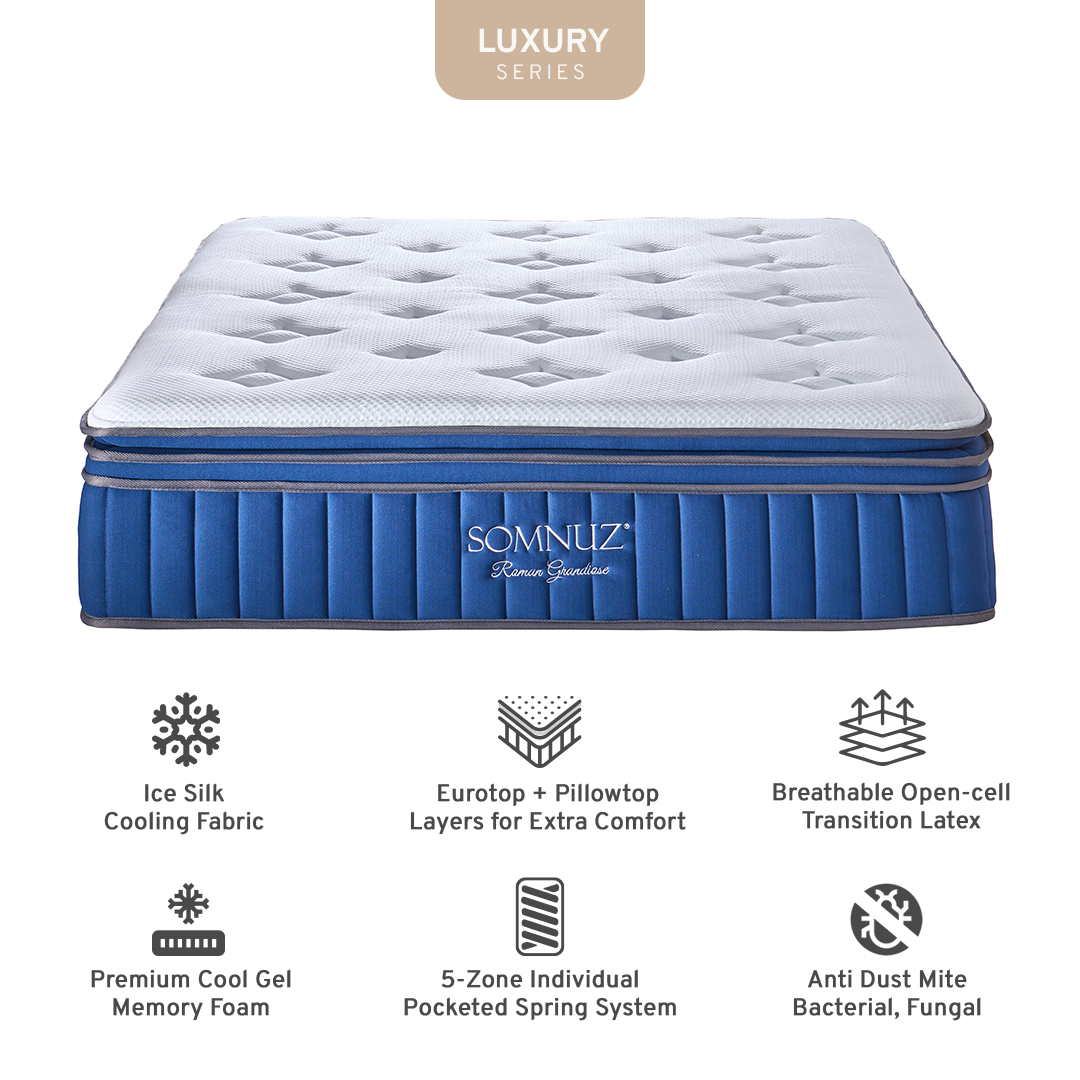
If your current bed no longer feels steady, it may help to compare different support levels across the Somnuz mattress collection before deciding what type of feel suits you best.
Common Signs Your Mattress May Be Too Soft
Some signs of a too-soft mattress are clear. Others build slowly over time and become part of your normal sleep routine.
Your mattress may feel too soft for your body if you notice these issues often:
- Your hips sink lower than the rest of your body.
- Your lower back feels unsupported when you wake.
- Turning from side to back feels harder than expected.
- You feel stuck in the mattress rather than resting on it.
- The mattress has a visible dip or uneven surface.
- The edge feels unstable when you sit or lie near the side.
- Shared sleep feels more disturbed because movement travels easily.
Your Hips Sink Lower Than The Rest Of Your Body
The hips and middle body usually carry more weight than the shoulders and legs. If the mattress is too soft, this area may sink too deeply.
This can leave your body feeling uneven. For back and stomach sleepers, this may feel less supportive because the middle body is not held steady enough.
You Wake Up Feeling Less Supported
Waking up with discomfort does not always mean the mattress is the only reason. Sleep position, pillow height, daily activity, and health factors may also play a part.
Still, your mattress may be worth checking if the discomfort feels worse after sleeping and eases as you move around during the day. This can be a sign that your bed is not supporting your usual sleep posture well.
Turning Over Feels Harder Than It Should
A mattress that lets you sink too much can make movement feel slower. You may need more effort to turn, shift, or get out of bed.
This matters for combination sleepers who change positions during the night. It also matters for couples, especially when one person’s movement affects the other.
Soft Mattress Vs Supportive Mattress: What Is The Difference?
Firmness and support are connected, but they are not the same.
Firmness is the feel of the mattress surface. Support is how well the mattress holds your body in a steady position. A mattress can feel soft but still supportive if its inner structure is strong enough. A mattress can also feel firm but uncomfortable if it does not suit your body or sleeping style.
|
Mattress Factor |
What It Means |
Why It Matters |
|
Surface comfort |
How cushioned the top feels |
Affects your first impression |
|
Support core |
The layer that holds your body weight |
Helps keep your body steady |
|
Motion control |
How much movement spreads across the bed |
Useful for couples |
|
Breathability |
How well heat moves through the mattress |
Helpful for humid Singapore nights |
|
Edge support |
How stable the side of the mattress feels |
Useful in compact HDB and condo rooms |
Firmness Is The Feel
Soft, medium, medium-firm, and firm are comfort descriptions. They help you understand how the mattress feels when you lie on it.
Soft mattresses usually offer more cushioning. Medium-firm mattresses often balance comfort with steadier support. Firmer mattresses may suit sleepers who prefer less sinkage.
No single firmness level suits everyone. Your weight, sleep position, comfort preference, and partner’s needs all matter.
If you are unsure which feel suits you, you can compare Somnuz mattresses by firmness, comfort type, motion control, and support features.
Who May Need More Support Than A Soft Mattress Gives
Different sleepers place pressure on a mattress in different ways. This is why a soft mattress may suit one person but feel unsupportive for another.
Back Sleepers
Back sleepers often need a mattress that supports the lower back and hips without feeling too hard. If the mattress is too soft, the hips may dip lower than the upper body.
A medium-firm or firmer feel may be worth comparing if you prefer more steadiness.
Stomach Sleepers
Stomach sleepers often need stronger support around the middle body. Too much sinkage can make the body feel less level.
This does not mean stomach sleepers need the hardest mattress. It means they may feel more comfortable with a mattress that limits deep sinking.
Couples Sharing A Mattress
Couples need to think about more than individual comfort. Movement, edge stability, heat, and firmness preference all matter.
In a shared queen-size bed, one person’s movement can disturb the other if the mattress transfers motion easily. This is where pocketed spring mattresses can be useful because the springs move more independently.
Support should still feel comfortable. The goal is not to choose the hardest option, but to find a mattress that feels steady under your body.
What To Check Before Replacing A Too-Soft Mattress
Before replacing your mattress, check how it behaves in your normal sleeping position. A few simple tests can help you decide if the issue is softness, age, support, or personal fit.
Check Your Sleeping Position
Your usual sleep position should guide your mattress choice.
Side sleepers often prefer cushioning around the shoulders and hips. Back sleepers may prefer balanced support. Stomach sleepers may prefer a steadier surface that reduces deep sinking around the middle body.
Combination sleepers should also test how easy it feels to move.
Check Sinkage Around The Hips And Lower Back
Sinkage is not always bad. Some contouring can feel comfortable.
The issue starts when the mattress allows the body to dip too deeply. If your lower back feels unsupported or your hips feel trapped in the mattress, the bed may be too soft for your support needs.
Check Heat, Movement, And Edge Stability
Soft foam layers can sometimes feel warmer because the body sinks more deeply into the surface. In Singapore’s humid weather, breathability can make a real difference to comfort.
Latex may be worth considering if you want a more responsive feel and better airflow. You can learn more about choosing a latex mattress in Singapore if cooling comfort and easy movement are important to you.
For couples, motion control and edge support should also be part of the test. A mattress that feels comfortable alone may feel different when shared every night.
How To Choose Better Support With More Confidence
Better support starts with knowing what your body needs. It also helps to test mattresses in a way that matches real sleep, not just a quick lie-down.
Start with your main concern. If your bed feels too soft, compare mattresses with a steadier support core. If you get warm at night, look for breathable materials. If you share a bed, check motion control and edge support.
Showroom testing can make this easier because you can compare firmness levels in person. Somnuz also has a helpful guide on how to test a mattress in a showroom, which can help you make a calmer and more informed choice.
Mattress Too Soft Back Pain: Choose Support That Feels Right
Mattress too soft can be a sign that your bed does not match your support needs. The answer is not always to buy the firmest mattress. The better step is to understand how your body rests, how much sinkage feels comfortable, and what level of support helps you feel steady through the night.
Softness should feel comfortable without making you feel unsupported. Firmness should feel steady without feeling harsh. A good mattress choice sits between the two, with enough comfort for rest and enough support for your usual sleeping style.
Somnuz helps make this choice feel clearer with supportive comfort, breathable options for Singapore nights, and guidance before and after purchase. For added confidence, you can visit our showroom and try the range in person with help from the sleep team.
Find Support That Feels Right For The Way You Sleep
Shop the Collection to compare supportive mattresses made for different comfort needs, sleeping styles, and Singapore homes. Compare Our Mattresses if you want a clearer view of firmness, cooling, motion control, and support before choosing. Visit the Showroom for calm guidance from the Somnuz sleep team, so you can test the range in person and choose with more confidence.
Frequently Asked Questions
Can A Mattress That Is Too Soft Cause Back Pain?
A mattress that is too soft may contribute to discomfort for some sleepers if it allows the body to sink too deeply. This can make the lower back or hips feel less supported through the night. Other factors may also play a part, so it is best to look at your sleep position, pillow height, mattress age, and daily habits too.
How Do I Know If My Mattress Is Too Soft?
Your mattress may be too soft if your hips sink lower than the rest of your body, turning over feels difficult, or you wake up feeling unsupported. A visible dip or unstable edge can also be a sign that the mattress no longer gives enough support.
Is A Firm Mattress Always Better For Back Support?
A firm mattress is not always better for everyone. Some sleepers need a steadier feel, while others need more cushioning. The right choice depends on your sleeping position, body weight, comfort preference, and how much support you need around the hips and lower back.
What Firmness Should I Choose If My Current Bed Feels Too Soft?
Medium-firm or firmer options may be worth comparing if your current mattress feels too soft. The goal is to find a mattress that keeps your body steady while still feeling comfortable enough for nightly rest.