

Buying a mattress is one of the more considered purchases most people make, and for good reason. You will spend roughly a third of your life on it. Yet for something so important, it can be surprisingly difficult to know whether a mattress is right for you based on a few minutes in a showroom or a product description online.
A mattress trial addresses this directly. It gives you time to sleep on a mattress in your own home, in your normal sleeping conditions, before fully committing. Used well, it is one of the most useful tools available to a mattress buyer. This guide explains how trials work, what to pay attention to during the period, and how to make a genuinely informed decision by the end of it.
What a Mattress Trial Actually Is
A mattress trial is an arrangement where you can sleep on a new mattress at home for a defined period and return it if it does not suit you. Trial periods vary between retailers and typically range from 30 nights to 100 nights or more.
The reasoning behind a home trial is straightforward. A few minutes lying on a mattress in a showroom gives you a first impression, but it cannot replicate the experience of sleeping on it night after night in your own environment. Your body temperature, your usual sleeping position, the climate in your bedroom, and whether you share the bed with a partner all influence how a mattress feels over time. A trial period accounts for all of these variables in a way that a showroom visit cannot.
It is worth reading the terms of any trial carefully before you begin. Conditions vary between retailers. Some require the mattress to be returned in its original packaging. Others ask that a mattress protector be used throughout the trial. Some have specific collection arrangements or charge a fee for returns. Understanding these details from the start means there are no surprises later.
Why the First Few Weeks Can Feel Unfamiliar
One of the most common reasons people question a new mattress too soon is that the first week or two simply feels different from what they were used to.
This is normal and worth understanding before you start a trial.
If you have been sleeping on an older or softer mattress, a new mattress with more support may feel firmer than expected at first. Your body has adapted to the contours and give of your old sleeping surface, and it takes time to adjust to something different. This adjustment period typically settles within two to four weeks for most people.
Similarly, a mattress that seemed very comfortable in a showroom may feel slightly different at home once you have slept on it in different positions across multiple nights. Warmth, humidity, and your natural sleeping patterns all play a role.
The practical implication is this: resist the temptation to form a definitive judgement in the first few nights. Give the mattress at least two to three weeks before drawing conclusions, unless there is something genuinely wrong with it from the start.
What to Pay Attention to During the Trial
A mattress trial is most useful when you approach it with a clear sense of what you are actually evaluating. Here are the things worth monitoring.
How you feel in the morning. Do you wake up feeling rested? Is there any stiffness, tension, or soreness that was not there before? Pay attention to specific areas, particularly the lower back, shoulders, and hips, as these are the most common places where poor mattress fit shows up.
How well you stay asleep. Do you find yourself waking in the night and shifting positions frequently? This can be a sign that the mattress is not distributing pressure comfortably for your sleeping position. Some adjustment is normal in the first week, but persistent restlessness after two weeks is worth noting.
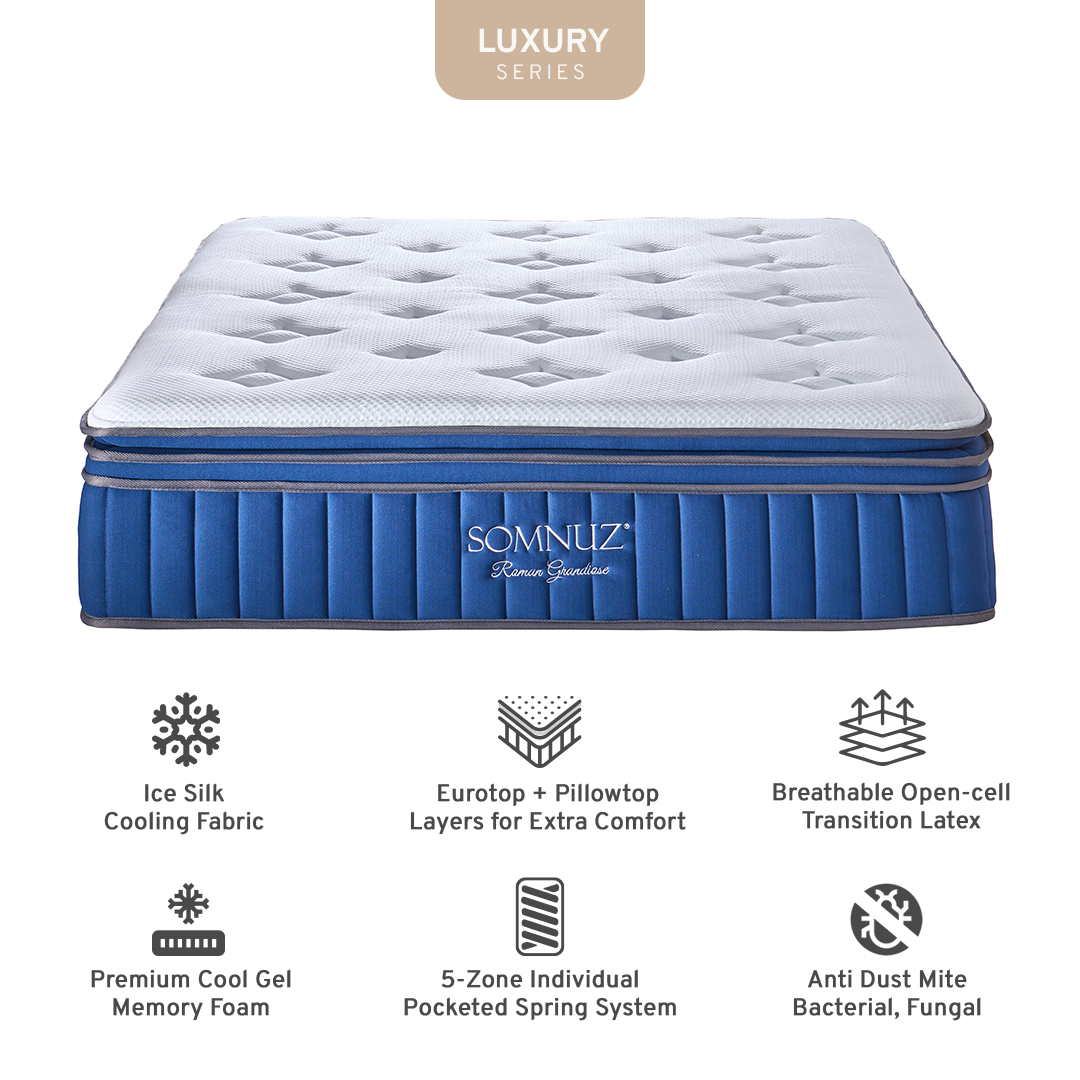
Temperature overnight. In Singapore's warm climate, how a mattress manages heat matters. A mattress that traps warmth can disrupt sleep quality significantly. If you are consistently waking up hot, that is meaningful information. A latex mattress tends to sleep cooler than dense foam alternatives, which is worth considering if warmth is already a concern.
Motion transfer for couples. If you share a bed, does your partner's movement disturb you? A pocketed spring mattress is designed to absorb movement independently at each coil, which helps reduce disturbance across the sleeping surface. If motion transfer is disrupting your sleep during the trial, that is important to register.
Edge support. Do you feel secure sitting or sleeping near the edge of the mattress? Good edge support matters for couples who use the full width of the bed and for anyone who tends to sit on the edge when getting up in the morning.
Keeping a Simple Sleep Log
This might sound unnecessary, but a brief daily note during your trial is genuinely useful, particularly if you are trying to compare how different mattresses felt across separate trials or if you want to articulate clearly why something is or is not working.
You do not need anything elaborate. A few sentences each morning covering how you slept, how you feel, and anything specific you noticed is enough. By the end of two to three weeks, you will have a clearer picture of patterns rather than relying on a general impression that can be hard to pin down.
If you are sharing the bed, it is useful for both people to make their own notes independently. Two sleepers can have quite different experiences on the same mattress, particularly if they have different weight distributions, sleeping positions, or temperature preferences.
Showroom Visits Alongside the Trial
A home trial and a showroom visit work best together rather than as alternatives.
Visiting a showroom before you buy gives you a useful baseline. You can try a range of materials and firmness levels, ask questions in person, and get a sense of what different options feel like before narrowing your choice. This makes the trial period more focused, because you are starting from a mattress you already have some confidence in rather than choosing at random.
At our mattress showroom in Singapore, you are welcome to take your time trying different options across the range. Our team can help you think through your sleeping position, the climate in your home, whether you share the bed, and what you want to feel different from your current setup. That conversation often makes the trial that follows more productive.
When the Mattress Is Not Working
If you reach the midpoint of your trial and something genuinely does not feel right, it is worth thinking through what specifically is bothering you before deciding to return the mattress.
Is the mattress too firm or too soft? Firmness preference is the most common source of dissatisfaction and is worth trying to articulate clearly. If it is simply a question of feel rather than structural support, consider whether the issue might be addressed by a topper before initiating a return.
Is there a specific physical discomfort that is consistent across multiple nights? Persistent discomfort in the same area night after night, even after the initial adjustment period, is a more meaningful signal than general unfamiliarity.
Are you comparing fairly? If you are used to an older, softer mattress, the new one will feel different for some time regardless of whether it is the right choice. Try to evaluate based on how you actually feel rather than on whether it matches your old mattress.
If after three or more weeks the mattress is consistently disrupting your sleep, that is honest feedback and the trial is doing exactly what it is designed to do. Look at whether a different firmness or material would suit you better. The Somnuz mattress collection includes options across materials and comfort levels, including memory foam and spring options, so there is usually a more suitable alternative to explore.
Making a Confident Decision
By the time your trial period reaches its final weeks, you should have enough consistent information to make a decision with real confidence rather than guesswork.
A mattress that is working well will show up clearly in the morning: you feel rested, there is no persistent soreness, and sleep feels settled rather than broken. These are not dramatic outcomes. They are simply what good sleep feels like when the basics are right.
If you are still unsure, our team is happy to talk through what you have experienced during the trial and help you work out whether the mattress is right for you or whether a different option might suit you better. For broader guidance on building a restful sleep environment, our Sleep Well guide is a useful resource alongside any practical decisions you are making.
FAQs
How long should a mattress trial be?
A trial of at least 30 nights gives your body enough time to adjust to a new sleeping surface and for you to form a genuine impression across different nights and conditions. Longer trials of 60 to 100 nights provide even more certainty, particularly for mattresses that have a longer break-in period such as higher-density foam options.
What should I do if the mattress feels too firm in the first week?
Give it more time. A mattress that feels firmer than expected in the first week often settles as the materials respond to your body weight and the surface softens slightly with use. Most adjustment periods resolve within two to four weeks. If it still feels uncomfortably firm after three weeks, that is more meaningful feedback.
Do I need a mattress protector during a trial?
Most retailers require one. A mattress protector keeps the surface clean and hygienic, which is important if a return is needed. It also protects your investment in the long term. Check the specific terms of your trial before you begin.
Can a topper fix a mattress that is not quite right?
Sometimes, if the issue is purely one of surface feel. A topper can add softness to a mattress that is slightly too firm, or add a firmer layer to one that feels too soft. However, if the mattress has a structural issue or is simply the wrong type for your sleeping needs, a topper is unlikely to resolve it fully.
What happens if both partners feel differently about the mattress during the trial?
This is common. The key is to try to identify specifically what each person finds uncomfortable and whether those concerns point to the same underlying issue. If one person finds it too firm and the other finds it comfortable, a topper on one side may help. If both are consistently uncomfortable in different ways, the mattress may not be the right match for a shared sleeping environment.
Is it better to visit a showroom before or after a home trial?
Before, if possible. A showroom visit helps you narrow your choice and start the trial with a mattress you already have some confidence in. It also gives you a reference point if you want to compare your home trial experience against other options you felt in person.
Start With Confidence, Decide With Clarity
A mattress trial takes the risk out of one of the more considered purchases you will make for your home. Used well, it gives you real information about how a mattress performs in your actual sleeping environment, not just a first impression.
Browse the Somnuz mattress collection to explore your options across materials and comfort levels, or visit our showroom in Singapore to try the range in person before you decide. We are here to help you find the right fit, at whatever pace works for you.