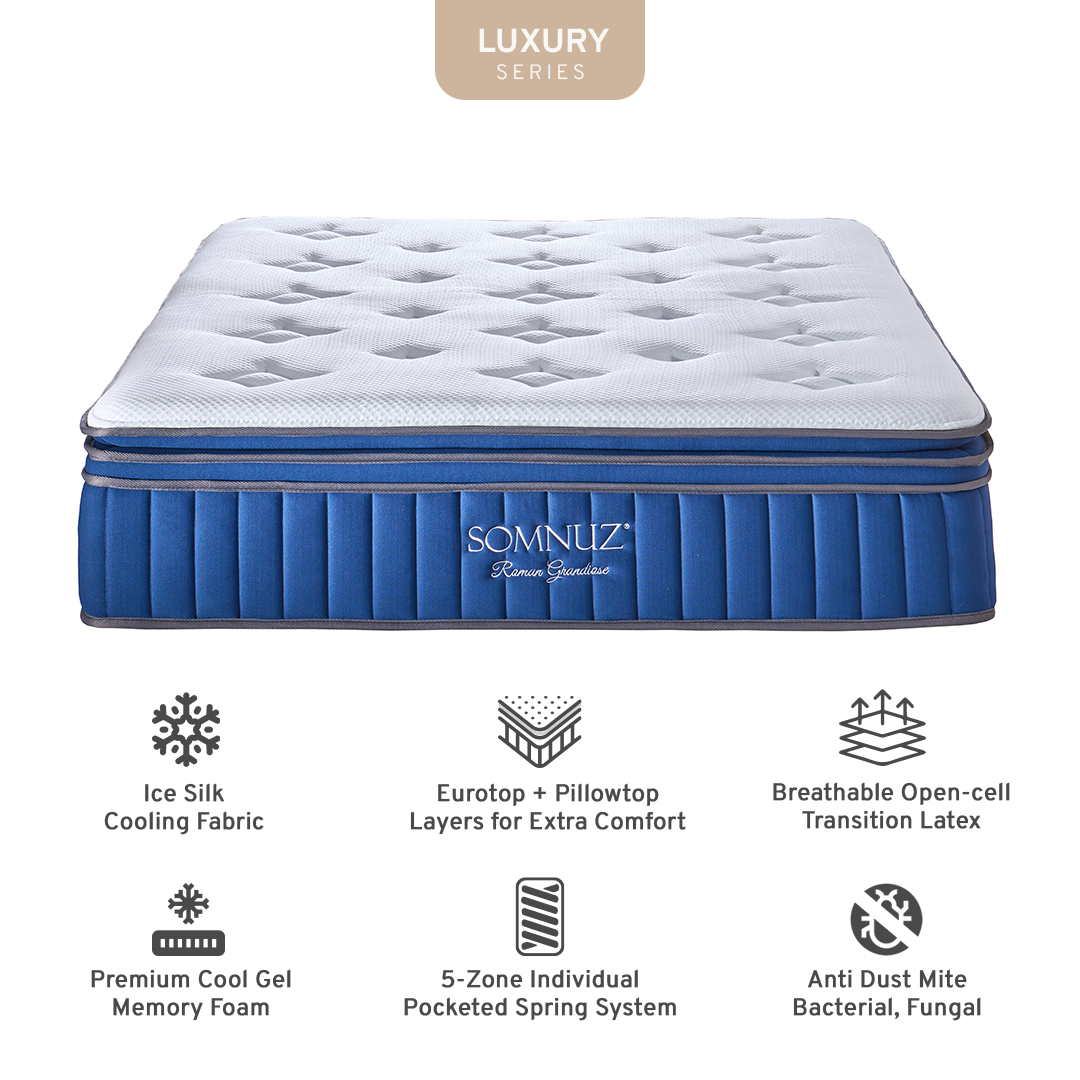


Oeko-Tex Standard 100 mattress labels can help shoppers feel more confident about what they bring into their bedroom. For many Singapore homeowners, this matters because a mattress is used every night and often shared with a partner or family member.
Still, certification terms can feel confusing. You may see labels about textile safety, foam quality, organic materials, cooling comfort, and support features, all on the same product page.
The key is to understand what each label actually means. Oeko-Tex Standard 100 is useful, but it does not explain everything about how a mattress feels. Comfort, firmness, cooling, movement control, and after-sales support still matter.
This guide explains the certification in simple terms, so you can compare mattress options with more peace of mind.
Why Oeko-Tex Standard 100 Mattress Labels Matter
Oeko-Tex Standard 100 mattress labels matter because they give shoppers a clearer way to assess textile safety. They can help you move beyond broad claims and look for more specific product information.
This is especially helpful when you are buying for a family bedroom, shared sleeping space, or a new home. HDB, condo, and landed homeowners often want a mattress that feels comfortable, practical, and reassuring to use every night.
Common buyer questions include:
- What does the label cover?
- Which mattress parts are tested?
- Is it different from a broad “safe” claim?
- Does certification affect comfort?
- What else should I check before buying?
Certification is one part of the decision. The mattress should still suit your sleep habits, bedroom conditions, and preferred comfort feel.
What Oeko-Tex Standard 100 Means In Simple Terms
Oeko-Tex Standard 100 is a textile certification. In simple terms, it means textile parts have been tested for harmful substances against set criteria.
Tested For Harmful Substances
The certification focuses on tested textiles, such as fabrics, yarns, and textile components. For mattresses, this may relate to the cover or selected fabric parts.
Somnuz also provides a helpful explanation of OEKO-TEX certification for shoppers who want to understand the label in more detail.
This kind of certification can help buyers feel more informed. It gives the product claim a clearer basis than vague wording.
Textile Parts, Not A General Comfort Rating
Oeko-Tex Standard 100 does not tell you whether a mattress feels soft, firm, cooling, or supportive. It is not a comfort score.
A certified textile layer can give confidence about testing, but the mattress still needs to feel right for your body. You still need to consider firmness, support, material type, and how the mattress performs in your room.
Certification Should Be Checked By Product
Shoppers should check which product or component carries the certification. Do not assume every part of a mattress is covered unless the product information clearly says so.
Useful details to check include:
- certificate or label information
- product name
- certified component
- material description
- brand explanation
- support team clarification
Clear information helps you buy with more confidence.
What The Certification Does Not Automatically Mean
Oeko-Tex Standard 100 is helpful, but it should not be misunderstood. It answers one important question about textile testing, not every question about mattress quality.
It does not automatically mean:
- the mattress is organic
- every layer is certified
- the mattress will feel cool
- the mattress will feel firm or soft
- the mattress will suit every sleeper
- the mattress replaces the need for comfort testing
This matters because some buyers may focus only on certification and forget comfort. A mattress can have reassuring material details but still feel wrong for your sleep style.
A good mattress choice should balance confidence in materials with comfort, support, breathability, and practical home fit.
How Oeko-Tex Fits With Mattress Materials
Mattress materials affect both how the mattress feels and how it performs in daily use. Certification can support material confidence, but each layer still needs to be understood clearly.
Mattress Covers And Textile Layers
Oeko-Tex Standard 100 is often most relevant to textile parts, such as the mattress cover or fabric components. These are the parts closest to the sleeper, so many buyers naturally want clearer information about them.
A breathable, comfortable cover can also affect how the mattress feels at the surface. Still, surface fabric is only one part of the full mattress experience.
Foam, Latex, And Comfort Layers
Comfort layers shape how the mattress responds to your body. A memory foam mattress often gives a closer, more cushioned feel. It may suit sleepers who like gentle contouring and reduced movement across the surface.
A latex mattress usually feels more responsive. It may suit sleepers who prefer a more lifted surface that feels easier to move on.
Neither material is right for everyone. The better choice depends on your comfort preference, heat sensitivity, and sleep habits.
Cooling And Breathability
Testing and comfort are different. A textile certification can support confidence in material safety, while cooling features affect how the mattress feels in Singapore’s warm climate.
Mattresses designed for breathable comfort for humid nights can help reduce heat build-up around the sleep surface. This can be useful for HDB and condo bedrooms where airflow may vary.
Helpful material checks include:
- cover fabric
- foam layer
- latex layer
- spring or support system
- cooling features
- firmness level
- movement control
What Singapore Shoppers Should Check Before Buying
Singapore shoppers should look at certification together with comfort and room conditions. Humidity, shared sleep, bedroom size, and local support all matter.
Humid Nights And Breathable Comfort
Warm nights can make heat build-up more noticeable. A mattress that feels comfortable in an air-conditioned showroom may feel different in a warmer bedroom.
Check how the mattress handles airflow and surface comfort. Bedding, protectors, and bed frame ventilation can also affect the overall feel.
Shared Sleep And Movement Control
Couples should check how much movement travels across the mattress. Reduced partner disturbance can help shared sleep feel calmer, especially when one person turns often.
Firmness preference also matters. One partner may prefer closer cushioning, while the other may want a steadier feel. Testing together can make the choice clearer.
Bedroom Fit And After-Sales Support
A mattress should fit your bedroom and your routine. Check mattress size, thickness, delivery access, and bed frame height before buying.
For Singapore homes, useful checks include:
- room airflow
- air-conditioning habits
- mattress size
- firmness preference
- partner movement
- material clarity
- delivery support
- after-sales support
Dependable support matters because a mattress is a long-term home purchase. Guidance before and after delivery can help you feel more at ease.
How To Compare Certified Mattress Options With Confidence
Certified mattress options should be compared with practical sleep needs in mind. Start with the label, then look at materials, firmness, cooling, and motion control.
Begin with the Somnuz mattress collection to review the available options. Then compare mattress materials side by side so you can check firmness, cooling effect, movement control, mattress type, and thickness more clearly.
You can also use find your fit to narrow your choices based on your sleep habits and comfort preferences.
Helpful questions include:
- Does the product mention Oeko-Tex clearly?
- Which part of the mattress is certified?
- What is the main comfort material?
- How firm does it feel?
- Does it suit warm Singapore nights?
- Does it help reduce partner disturbance?
- Can you compare it in person?
- What support is available after purchase?
This approach helps you avoid relying on one label alone. It also keeps the decision focused on how the mattress will feel in your home.
Oeko-Tex Standard 100 Mattress Choices In Singapore
Oeko-Tex Standard 100 mattress certification can help shoppers understand textile testing for harmful substances. It gives useful reassurance when the product information is clear and specific.
Still, certification should be considered together with comfort, cooling, support, motion control, and service. No single label or material suits every sleeper.
For Singapore homes, the right mattress should feel breathable, supportive, and suitable for your bedroom setup. It should also come with clear guidance, so you can choose without feeling rushed or unsure.
Somnuz helps make the process calmer with practical product information, guided comparison, and dependable support before and after purchase. When you want to compare comfort levels in person, you can visit our showroom and speak with the sleep team.
Compare Certified Comfort With Clear Guidance
Shop the Somnuz mattress collection to compare supportive, breathable options made for different sleep needs in Singapore. Use the comparison tools to review materials, firmness, cooling comfort, and movement control with less guesswork. Visit the showroom for calm guidance from our sleep team and choose with more confidence.
Frequently Asked Questions
What does Oeko-Tex Standard 100 mean for a mattress?
Oeko-Tex Standard 100 means textile parts have been tested for harmful substances against set criteria. For mattresses, this may apply to the cover or selected fabric components. Check the product details to see which part carries the certification.
Does Oeko-Tex Standard 100 mean a mattress is organic?
No. Oeko-Tex Standard 100 is about textile testing, not organic sourcing. Organic claims usually relate to how certain materials are grown, processed, or certified. A mattress can have tested textiles without being organic.
Does the certification cover the whole mattress?
Not always. The certification may cover specific textile parts rather than every mattress layer. Always check the product label, certificate details, and brand explanation before assuming the whole mattress is covered.
Is an Oeko-Tex Standard 100 mattress better for humid Singapore nights?
The certification does not automatically mean the mattress feels cooler. Humid Singapore nights require separate checks, such as breathable materials, airflow-friendly design, cooling covers, bedding choice, and room ventilation.
What else should I check besides certification?
Check firmness, material type, cooling comfort, movement control, mattress size, bedroom fit, delivery support, and after-sales service. Certification is helpful, but comfort and practical fit still matter.
Should I visit a showroom before buying a certified mattress?
Yes, especially if you want to compare comfort, firmness, and support in person. Showroom guidance can help you understand how different materials feel. It also gives you a clearer way to choose with confidence before buying.