

Interest in organic and natural mattresses has grown steadily in Singapore, and it is not difficult to understand why. More people are paying attention to what goes into the products they use every day, and a mattress is something you spend a third of your life on. If you are spending that much time on a surface, it is reasonable to want to know what it is made from.
The challenge is that the organic mattress category in Singapore, as elsewhere, contains a wide range of products and claims. Some are genuinely made from natural, independently verified materials. Others use the word organic loosely, without much to back it up. Knowing the difference is the most useful thing a buyer in Singapore can do before shopping in this category.
This guide gives you the honest picture: what organic and natural mattress materials actually offer, why Singapore's climate makes certain natural materials particularly practical, and how to evaluate a product clearly before committing.
What "Organic Mattress" Actually Means in the Singapore Context
The phrase organic mattress is used to describe mattresses made from natural materials such as latex, cotton, and wool, sometimes with independent certification and sometimes without.
In Singapore, as in most markets, the term organic is not legally regulated for mattresses. A product can be marketed as organic without any external verification of its materials or processes. This means that when you see an organic mattress claim, the next question to ask is always: which components are certified, and by whom?
The most relevant certifications to look for are GOLS (Global Organic Latex Standard) for latex components and GOTS (Global Organic Textile Standard) for fabric and fibre components such as cotton covers. These are internationally recognised standards verified by independent auditors. A mattress that can point to specific component-level certification is making a verifiable claim. One that uses organic broadly without specifying certification is not.
This does not mean uncertified natural materials are inferior. A natural latex mattress without GOLS certification may still use genuinely natural rubber. But certification provides the clearest assurance, and it is worth asking for it specifically rather than assuming from the label.
Why Natural Mattress Materials Make Particular Sense in Singapore
Singapore's warm, humid climate shapes what makes a good mattress here in ways that are quite different from cooler countries. And this is where natural materials, particularly natural latex, have a genuine practical advantage that goes beyond values or preference.
Heat retention is the core issue. A mattress that traps body heat creates an increasingly uncomfortable sleeping surface over the course of a night. This is a meaningful sleep quality concern, not just a matter of feeling warm. The more disrupted your temperature overnight, the less continuous and restorative your sleep tends to be.
Natural latex is inherently breathable. Its open-cell structure allows air to circulate through the material, dissipating body heat rather than accumulating it. In Singapore's nights, this translates directly into a more comfortable sleeping temperature, even without heavy air conditioning.
Natural latex is also naturally resistant to dust mites and mould. In a humid climate, where both can be genuine concerns inside bedding, this is a practical advantage that suits Singapore's conditions well. A mattress that resists moisture-related deterioration is a more durable long-term investment here than in drier climates.
These practical benefits of natural latex apply whether or not the specific product carries formal organic certification, and they are worth understanding on their own terms when evaluating any organic mattress in Singapore.
Natural Latex: The Most Relevant Organic Material for Singapore
Of all the materials associated with organic mattresses, natural latex is the most practically relevant for Singapore buyers. It is worth understanding what it offers in some detail.
Natural latex comes from the sap of rubber trees, primarily grown in Southeast Asia. Singapore is geographically close to major rubber-producing regions, which means natural latex mattresses are relatively accessible here compared to markets in Europe or North America.
The feel of natural latex is distinct. It has a buoyant, springy quality that cushions the body without allowing deep sinking. When you shift position during the night, latex responds quickly and adjusts naturally, making it a strong choice for combination sleepers. The feel is supportive and resilient rather than cradling.
Natural latex is also one of the most durable mattress materials. A well-made latex mattress maintains its shape and support reliably for ten years or more, which makes it a sound long-term investment. It does not develop the significant body impressions that softer foam materials sometimes do over time.
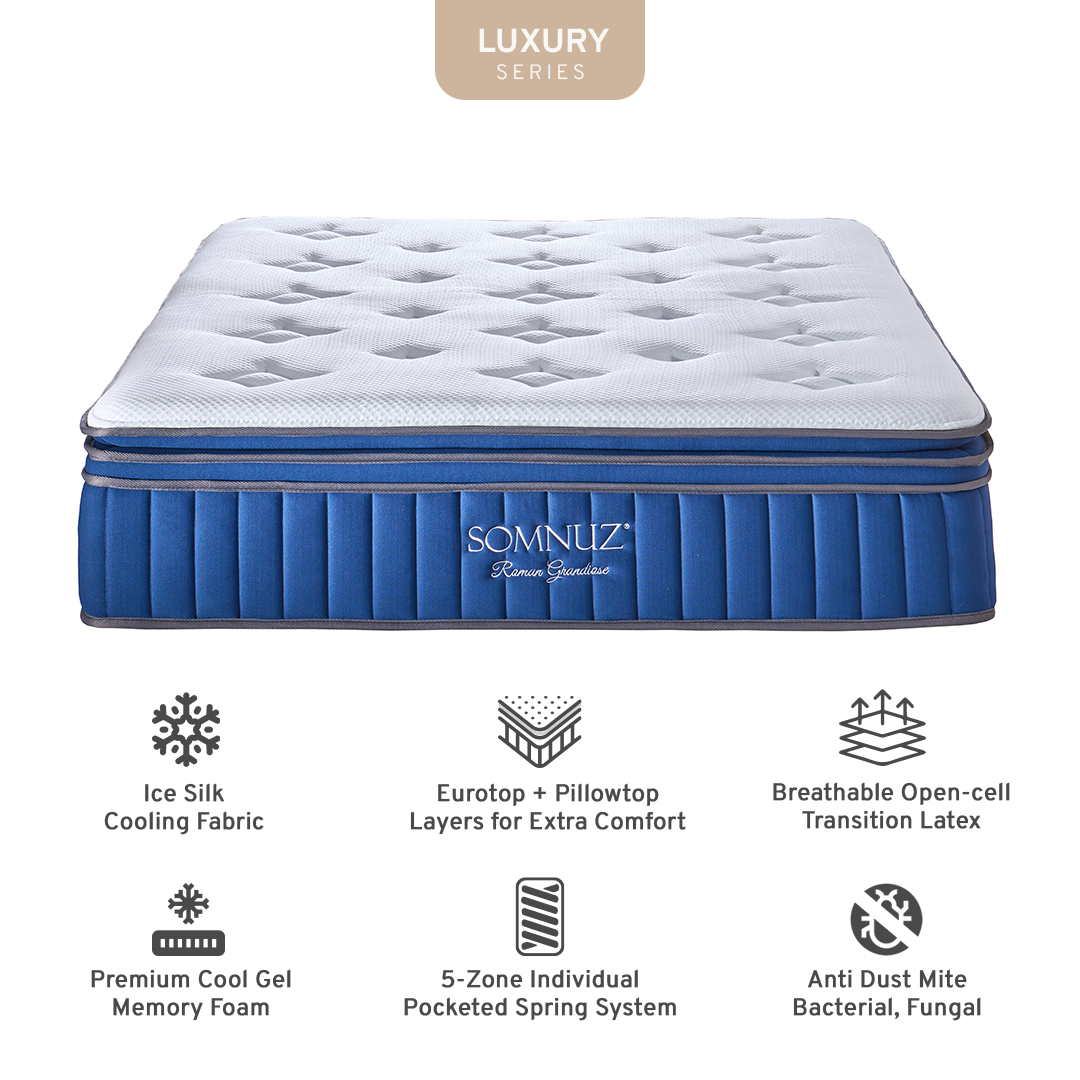
For those interested in exploring this material further, the Somnuz latex mattress collection offers natural latex options suited to Singapore's sleeping environment and climate.
Other Natural Components Worth Knowing About
Beyond latex, organic mattresses often include other natural materials in their covers and comfort layers. Here is an honest look at the most common ones in the Singapore context.
Organic cotton covers are used on many natural and organic mattresses. Cotton is soft, breathable, and comfortable against the skin. An organic cotton cover means the fibre was grown without synthetic pesticides, and GOTS certification verifies this. In Singapore's humid conditions, a breathable cotton cover helps manage surface moisture and feels comfortable without synthetic coatings.
Wool appears in some organic mattress products, typically as a fire retardant and comfort layer. Wool is naturally temperature-regulating and moisture-wicking. In cooler climates, it adds warmth. In Singapore, the insulating properties of wool are less relevant, and heavily wool-filled mattresses may feel too warm for some sleepers unless the room is heavily air-conditioned. Thin wool comfort layers in otherwise breathable constructions are less of a concern than deep wool filling.
Coconut coir is sometimes used in natural mattresses as a firm base layer. It is derived from coconut husks and is a genuinely natural and sustainable material. Coir adds firmness and breathability. It is a regional material with particular relevance to Southeast Asian mattress manufacturing.
What to Ask When Buying an Organic Mattress in Singapore
A few targeted questions will help you evaluate any organic mattress claim clearly.
Ask what the main support and comfort layers are made from. A genuinely natural mattress should be able to tell you clearly whether latex, foam, or fibre components are natural, synthetic, or blended. Vague answers about natural inspiration or eco-friendly design are not the same as clear material disclosure.
Ask which components carry independent certification and from which body. GOLS for latex and GOTS for textiles are the relevant standards. If a mattress claims full organic certification, ask which specific components hold that certification rather than accepting the claim at face value.
Ask how the mattress manages temperature in Singapore's climate. A well-made natural mattress should be able to explain why its materials suit warm and humid conditions, not just that they are natural. Breathability and moisture resistance are the relevant qualities here.
Ask about the mattress's durability and what a reasonable lifespan looks like. Natural materials vary in their longevity, and understanding what to expect helps you evaluate the long-term value of the investment.
A Balanced View: Natural Materials Are Practical, Not Magical
It is worth being clear-eyed about what natural and organic mattress materials do and do not offer.
Natural materials, particularly natural latex, offer genuine practical advantages in Singapore's climate: breathability, moisture resistance, durability, and a distinct and comfortable feel. These are real benefits that translate into more comfortable sleep.
What they do not offer is a universal solution. Natural latex has a specific feel that suits many sleepers well and some less so. It is not the right material for everyone, and finding out whether it suits you requires trying it in person rather than assuming.
Natural materials are also not automatically free from all concerns. Latex can cause reactions in people with latex allergies. Natural materials still need to be well-constructed to perform well. A poorly made mattress from natural materials will not serve you better than a well-made one from carefully chosen synthetic alternatives.
The honest guidance is this: if natural materials matter to you for environmental, health-related, or practical reasons, they are a sound basis for a mattress choice in Singapore, particularly with natural latex as the core material. Just evaluate specific products on their actual credentials rather than their labels.
For a broader view of how different mattress materials compare in terms of feel, support, and suitability for Singapore's conditions, you can also explore the full Somnuz mattress collection which includes options across latex and other materials.
See the Options in Person Before You Decide
Understanding natural and organic mattress materials is useful context, but the most reliable guide to whether a specific mattress suits you is how it actually feels when you lie on it.
Natural latex in particular has a distinctive feel that is quite different from foam or spring options. Some sleepers find it immediately comfortable. Others need a short adjustment period. There is no substitute for experiencing it directly before committing to a purchase.
At our mattress showroom in Singapore, you can try our latex and other natural-material options in person, ask specific questions about materials and certifications, and take the time you need to make a confident decision. Our team is there to give you clear, honest guidance without pressure.
For wider guidance on creating a restful sleep environment in Singapore's climate, including choices beyond just the mattress, our Sleep Well guide is a helpful companion resource.
FAQs
Is natural latex the same as an organic latex mattress?
Not exactly. Natural latex is made from rubber tree sap rather than synthetic materials, which makes it a genuinely natural product. An organic latex mattress additionally requires that the rubber was grown under certified organic agricultural conditions, verified by GOLS certification. Natural latex without organic certification is still a natural material, but the farming standards may differ from those of certified organic products.
Are organic mattresses better for Singapore's humid climate?
Natural latex, which is the most common core material in organic mattresses, is well suited to Singapore's climate. It is breathable, naturally resistant to dust mites and mould, and does not retain body heat in the way that denser synthetic foam can. These qualities are practically useful in humid conditions, regardless of whether the specific product carries organic certification.
How do I verify if an organic mattress claim is genuine in Singapore?
Ask specifically which components carry which certifications. GOLS certification for latex and GOTS certification for textile components are the most relevant international standards. A retailer who can point to specific component-level certifications is making a verifiable claim. Broad organic labelling without specific certification detail is a weaker basis for trust.
Is natural latex suitable for people with latex allergies?
No. People with known latex allergies should avoid natural latex mattresses. If you have a latex sensitivity or allergy, discuss this with a mattress consultant before considering any latex-based product.
How long does a natural latex mattress last in Singapore's conditions?
A well-made natural latex mattress can last ten years or more. Natural latex is inherently resistant to the moisture and humidity that can degrade other materials more quickly, making it a durable choice for Singapore's conditions when properly constructed and cared for.
Do organic mattresses cost significantly more than conventional options?
Natural and certified organic materials, particularly GOLS-certified natural latex, do tend to cost more than synthetic alternatives due to the agricultural and processing standards involved. However, the durability of natural latex means the long-term cost per year of use can compare favourably to cheaper options that need replacing more frequently. Value is best assessed over the expected lifespan of the product rather than by upfront cost alone.
Find a Natural Mattress That Works for Your Home
An organic or natural mattress can be a genuinely practical choice for Singapore's climate, particularly when it is built around breathable, moisture-resistant materials like natural latex and verified by credible certifications.
Browse the Somnuz mattress collection to explore natural latex and other carefully considered options, or visit our showroom to try the range in person and get honest guidance from our team. We are here to help you make a choice you feel confident about.