

Plastic wrap for mattress protection can be useful when you are moving house, renovating, storing a mattress, or keeping it covered during delivery. It helps shield the mattress from dust, dirt, light moisture, and handling marks while it is being moved from one place to another.
For Singapore homes, this can be especially practical. Moving between HDBs, condos, landed homes, or rental rooms often means passing through lifts, corridors, stairwells, lobbies, car parks, and loading areas. A mattress is large, fabric-covered, and not easy to clean once dirt or moisture gets into the surface.
Still, plastic wrap should be used carefully. It is useful for short-term protection, but it is not always suitable for long-term storage, especially in Singapore’s warm and humid weather. If moisture gets trapped inside the wrap, the mattress may start to feel less fresh over time.
This guide explains when plastic wrap for mattress protection makes sense, when to avoid it, and how to protect your mattress properly.
What Is Plastic Wrap for Mattress Protection?
Plastic wrap for mattress protection is a plastic covering used to shield a mattress during moving, transport, storage, or renovation. It may come as a mattress bag, shrink wrap, stretch film, or a large plastic cover.
The purpose is simple. It creates a barrier between the mattress and the outside environment. This can help protect the fabric from dust, dirt, rain splashes, lift surfaces, vehicle interiors, and renovation debris.
However, plastic wrap is not a mattress care solution for everyday use. It is mainly a temporary protection layer. A mattress still needs airflow, suitable bedding, and proper support to stay comfortable for daily sleep.
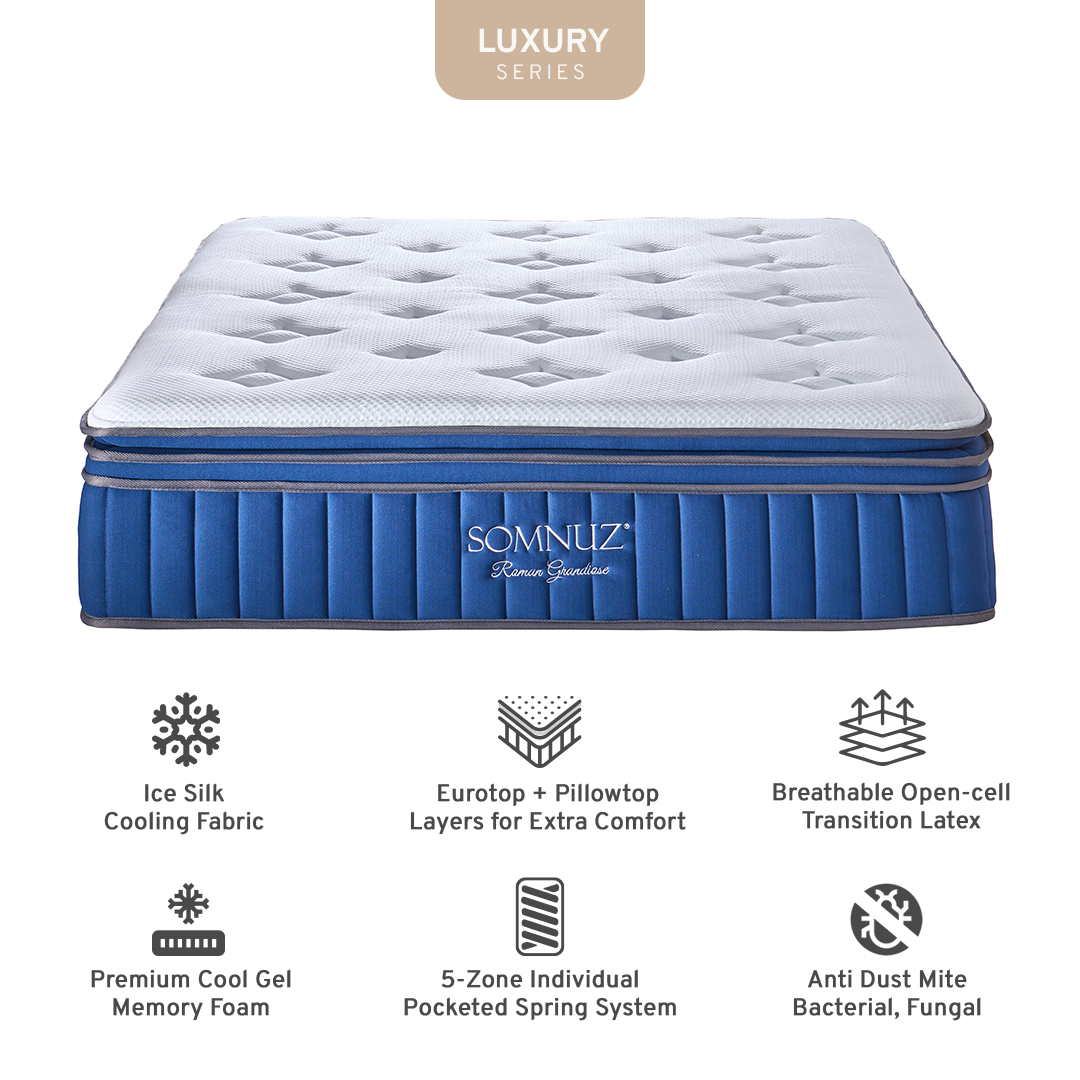
If you are planning a new mattress purchase, browse the full Somnuz mattress collection to choose a mattress that suits your room, comfort needs, and support preferences before thinking about delivery and protection.
When Should You Use Plastic Wrap for a Mattress?
Plastic wrap can be helpful in several common situations.
During Moving
Moving is one of the best times to use plastic wrap or a mattress bag. The mattress may be carried through dusty areas, leaned against walls, placed in a moving vehicle, or handled by several people.
A protective covering helps reduce direct contact with dirt and surfaces that may mark the fabric.
During Renovation
If your home is being painted, drilled, cleaned, or renovated, plastic wrap can help protect the mattress from dust and debris.
For renovation use, make sure the mattress is clean and dry before wrapping. Once the work is done, remove the plastic and air the mattress before using it again.
During Short-Term Storage
Plastic wrap may be useful for short storage periods, such as during a move or room change. The mattress should be stored in a clean, dry, ventilated area.
For longer storage, plastic wrap needs more caution because trapped humidity can become a concern.
During Delivery Handling
Some mattresses arrive in protective packaging. This helps keep the mattress clean before it reaches your bedroom. Once the mattress is in place, remove the packaging according to the brand’s instructions.
Do not sleep on a mattress while it is still fully wrapped in plastic.
Why Plastic Wrap Should Not Stay On Too Long
Plastic wrap protects against outside dirt, but it can also trap moisture inside. This is especially important in Singapore.
Humidity Can Get Trapped
Singapore’s climate is humid. If a mattress is wrapped while slightly damp, or if humidity gets sealed inside, moisture may not escape easily.
A mattress needs to stay dry and well aired. Long-term plastic wrapping can prevent airflow and make the mattress feel less fresh.
Heat Can Build Up
Plastic does not breathe like fabric. If a wrapped mattress is stored in a warm room, enclosed storage space, or direct sunlight, heat may build up inside the cover.
This is not ideal for mattress materials or freshness.
It May Affect Mattress Freshness
A mattress that cannot air properly may develop a closed-up smell. This is more likely if it is wrapped for too long or stored in a poorly ventilated area.
For everyday bedroom comfort, Somnuz’s Sleep Well guide can help you think about airflow, bedding, and mattress care as part of your full sleep setup.
How to Wrap a Mattress Properly
If you need to use plastic wrap for mattress protection, do it carefully.
Clean and Dry the Mattress First
Before wrapping, make sure the mattress surface is clean and fully dry. Do not wrap a mattress after steaming, spraying, or cleaning unless it has dried completely.
Trapping moisture inside plastic is one of the biggest mistakes.
Use the Right Size Cover
Choose a mattress bag or plastic wrap that fits the mattress properly. A cover that is too small may tear. A cover that is too loose may shift during moving.
If you are moving a queen or king mattress, make sure the cover can handle the size and weight.
For size planning, Somnuz’s mattress size Singapore guide can help you compare common local dimensions.
Seal It for Moving, Not Forever
For transport, sealing the plastic can help keep dirt out. For storage, avoid sealing in moisture for long periods.
If the mattress will be stored for more than a short time, check it regularly and allow airflow when possible.
Protect the Corners
Mattress corners can get scuffed during moving. Make sure the plastic covers the corners properly. If needed, add extra protection around edges that may rub against walls or vehicle surfaces.
Plastic Wrap vs Mattress Bag
Plastic wrap and mattress bags are similar, but they are not always the same.
Plastic Wrap
Plastic wrap usually refers to stretch film or shrink wrap. It can be wrapped around the mattress tightly. It is flexible, but it may be harder to remove neatly.
It is often used by movers for transport protection.
Mattress Bag
A mattress bag is shaped to fit around the mattress. It may be easier to use and remove. Some bags are thicker and more protective than simple plastic wrap.
For moving, a mattress bag can feel more practical because it covers the full mattress more evenly.
Which Is Better?
For a one-time move, either can work if used properly. A mattress bag may be easier for homeowners. Plastic wrap may be useful when extra coverage is needed.
The main rule is the same: use it temporarily, and make sure the mattress stays dry.
Should You Wrap a Mattress for Long-Term Storage?
Long-term storage needs more care than short-term moving.
If you need to store a mattress for weeks or months, avoid simply wrapping it tightly in plastic and forgetting about it. In Singapore’s humid climate, this can trap moisture and affect freshness.
A better approach is to store the mattress in a clean, dry, ventilated room. If using a cover, consider one that protects against dust but allows some breathability, depending on the storage condition. Keep the mattress away from damp walls, wet floors, and direct sunlight.
Do not store heavy items on top of the mattress, as this may affect its shape and comfort.
How to Protect Different Mattress Types
Different mattress types may need slightly different care.
Memory Foam Mattress
A memory foam mattress should be kept dry. Foam can be difficult to dry if moisture gets inside.
If wrapping for moving, make sure the mattress is fully dry before covering it.
Latex Mattress
A latex mattress can feel responsive and breathable, but it should still be protected from trapped moisture.
Avoid long-term sealed plastic storage unless the storage environment is very dry and checked regularly.
Pocketed Spring Mattress
A pocketed spring mattress may allow airflow through the spring core, but the top fabric and comfort layers still need proper care.
Use plastic wrap for transport protection, then remove it once the mattress is in place.
When to Replace Instead of Wrap
Plastic wrap can protect a mattress during moving, but it cannot fix a mattress that is already uncomfortable, sagging, stained, or no longer supportive.
If you are moving into a new home and your current mattress already feels worn, this may be a good time to reassess it. Moving an old mattress takes effort, and it may not be worth transporting if it no longer supports your sleep.
You can compare our mattresses to understand different comfort, support, and material options before deciding whether to keep or replace your current mattress.
If you prefer local guidance, the mattress store Singapore page can help you explore your buying options with more confidence.
Protecting Your Mattress With Care
Plastic wrap for mattress protection is useful during moving, renovation, and short-term handling. It helps keep dust and dirt away from the mattress surface, especially when the mattress is being carried through shared spaces or placed in a moving vehicle.
The main caution is moisture. In Singapore’s humid climate, plastic wrap should not stay on longer than necessary. Use it for protection, then remove it once the mattress is safely in place and allow the mattress to air.
If you are planning a new bedroom setup or moving into a new home, you can visit our showroom for calm, practical guidance on mattress comfort, sizing, and care.
Frequently Asked Question
Is plastic wrap for mattress protection safe?
Yes, plastic wrap can be safe for short-term moving or renovation protection. The mattress should be clean and dry before wrapping, and the plastic should be removed once protection is no longer needed.
Can I store a mattress in plastic wrap?
You can use plastic wrap for short-term storage, but be careful with long-term storage in Singapore’s humid climate. Trapped moisture can affect mattress freshness.
Should I remove plastic wrap before using a mattress?
Yes. Do not sleep on a mattress while it is still fully wrapped in plastic. Remove the packaging and allow the mattress to air according to care instructions.
Is a mattress bag better than plastic wrap?
A mattress bag may be easier to use because it is shaped for a mattress. Plastic wrap can also work for moving, but it should not trap moisture for long periods.
Can plastic wrap protect a mattress from rain?
It can help protect against light splashes during moving, but it should not be treated as full waterproof protection. Avoid exposing the mattress to rain whenever possible.