

Choosing a pressure relief mattress for home care use is not just about finding something soft. The right mattress should help the sleeper feel supported, comfortable, and easier to care for through daily routines.
For many Singapore families, home care happens in real spaces, such as HDB bedrooms, condo rooms, and landed homes with shared family responsibilities. The mattress needs to suit the person resting on it, the caregiver helping them, and the room it sits in.
This guide explains what to look for in simple terms. It does not replace medical advice. If someone has pressure injury risk, limited mobility, or specific care needs, it is best to follow guidance from a healthcare professional. In general, clinical support-surface guidance focuses on redistributing pressure, reducing friction and shear, and managing heat or moisture at the body-surface area.
Why Pressure Relief Matters In Home Care
A pressure relief mattress helps spread body weight more evenly across the mattress surface. This can make resting feel more comfortable, especially for someone who spends longer hours in bed.
Pressure often builds around areas where the body presses more heavily into the mattress, such as:
- Shoulders
- Hips
- Lower back
- Heels
- Elbows
For home care, the goal is not to find the softest mattress possible. The goal is to find a mattress that offers cushioned comfort with steady support.
A mattress that feels too firm may create sharper pressure points for some sleepers. A mattress that feels too soft may allow the body to sink too deeply, which can make repositioning harder. This is why balance matters.
Good pressure relief should help the sleeper feel supported without feeling trapped in the mattress.
What A Pressure Relief Mattress Should Help With
A pressure relief mattress should support everyday comfort, easier rest, and more confidence during home care routines. Different sleepers will need different levels of cushioning and firmness, so it helps to compare the feel carefully.
More Even Weight Distribution
Weight distribution means how well the mattress spreads body weight across the surface. Instead of placing too much pressure on one area, the mattress should help the body settle more evenly.
This can be helpful for people who spend longer periods lying down. It may also help side sleepers who place more pressure on the shoulders and hips.
Materials such as foam, latex, and hybrid comfort layers can support this in different ways. Foam tends to contour closely. Latex often feels more responsive. Hybrid designs may combine cushioning layers with stronger support underneath.
Cushioned Comfort Around Key Areas
Pressure relief often matters most around the shoulders, hips, and lower back. These areas need enough cushioning to reduce a hard, compressed feel.
A well-chosen mattress should feel gentle at the surface while still holding the body in a steady position. The sleeper should not feel like they are resting on a hard board. They also should not feel like they are sinking too far.
This is where guided comparison helps. Some people prefer a softer comfort layer. Others may feel more secure on a medium-firm or firmer surface.
Easier Movement And Repositioning
Home care often involves turning, sitting up, or helping someone adjust their position. A mattress that sinks too deeply may make these movements more difficult.
For this reason, pressure relief should be balanced with responsiveness. The mattress should offer enough cushioning for comfort, but enough support to make movement feel manageable.
Look for a mattress that:
- Cushions the body without deep sinking
- Feels stable near the centre and edges
- Supports easier turning and sitting up
- Does not feel too bouncy or too rigid
Mattress Features To Compare For Home Care Comfort
Choosing a pressure relief mattress becomes easier when you understand the main features in plain language. Focus on how each feature supports real comfort, not just the material name.
Comfort Layers
Comfort layers sit near the top of the mattress. These layers affect how the mattress feels when the sleeper first lies down.
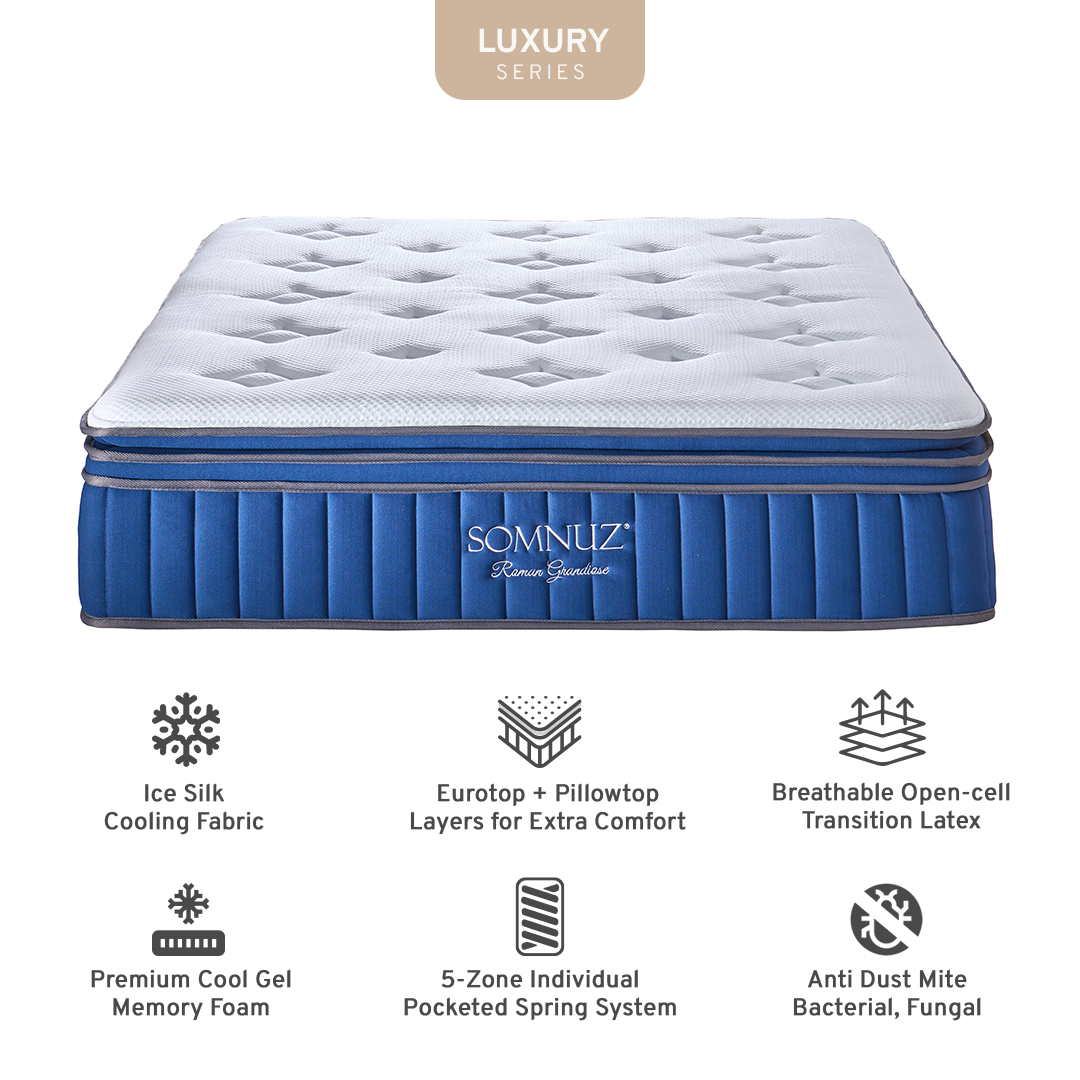
Memory foam mattress options are often considered for pressure relief because foam can contour around the body. This can help spread weight more evenly across areas like the shoulders and hips.
Latex offers a different type of comfort. It usually feels more responsive, which means it can cushion the body without the same deep hugging feel. Latex mattress options may suit sleepers who want comfort with easier movement and better airflow.
Hybrid mattresses can also be suitable for some home care needs. They combine comfort layers with a support system underneath, which may help balance cushioning and stability.
Firmness And Steady Support
Firmness describes how soft or hard a mattress feels. Support describes how well it helps the body rest in a steady position.
These are not the same thing.
A soft mattress can feel comfortable at first, but it may not suit everyone. A firm mattress can feel steady, but it may feel too hard for some sleepers. The right choice depends on body weight, sleep position, movement needs, and comfort preference.
For home care use, many families look for a mattress that offers:
- Gentle surface cushioning
- Stable support underneath
- Enough firmness to help with movement
- Enough comfort to reduce the hard pressure feel
Breathable Materials For Humid Singapore Nights
Singapore’s humid weather can affect sleep comfort. When someone spends more time in bed, heat and moisture build-up can feel even more noticeable.
A breathable mattress can help the sleep surface feel more comfortable through the night. This does not mean the mattress will make the room cold. It means the materials are designed to allow better airflow and reduce the heavy, stuffy feeling that some sleepers dislike.
For warmer homes, cooling comfort for humid nights can be an important part of the buying decision.
Motion Control For Shared Rooms
Home care may involve a partner, family member, or caregiver moving around the bed. Motion control can help reduce movement, traveling from one side of the mattress to the other.
This can be useful in shared sleeping spaces or rooms where someone needs rest while another person gets in and out of bed. Pocket spring mattress support may help because individually pocketed springs can move more independently than older spring systems.
For couples and family homes, reduced partner disturbance can support calmer nights and less disruption.
How To Choose A Pressure Relief Mattress For Singapore Homes
A pressure relief mattress should fit the sleeper, the care routine, and the home. The best choice is rarely based on one feature alone.
Match The Mattress To The Sleeper
Start with the person who will use the mattress the most. Their comfort needs should guide the decision.
Consider:
- Sleep position
- Body weight
- Mobility level
- Heat sensitivity
- Firmness preference
- Need for easier turning or sitting up
- Guidance from healthcare professionals, where relevant
Side sleepers often need more cushioning around the shoulders and hips. Back sleepers may prefer steadier support across the lower back. A person with limited mobility may need a surface that does not make repositioning harder.
No single mattress suits every home care situation. The right one should feel supportive, comfortable, and practical for daily use.
Consider The Room And Care Routine
Many Singapore homes have practical space limits. HDB and condo bedrooms may need careful planning around bed size, walking space, and furniture placement.
Think about:
- Room size
- Bed height
- Space for caregiving
- Delivery access
- Ease of setup
- Mattress weight
- Support around the mattress edge
A room that feels too tight can make care routines harder. The mattress should support comfort without making the space less usable.
For landed homes or multi-room households, families may also want consistent mattress quality across different rooms, especially when caring for parents or long-term guests.
Balance Comfort With Practical Care
Home care comfort is not only about how the mattress feels on day one. It is also about how it supports daily routines over time.
A practical mattress should be easy to protect, easy to pair with bedding, and suitable for Singapore’s humid climate. A breathable mattress protector can help keep the sleep surface fresher while protecting the mattress from daily use.
Families should also consider after-sales support. A mattress is a long-term purchase, so it helps to choose a brand that offers clear guidance before and after the sale.
Compare Mattress Options Before You Decide
A pressure relief mattress should be chosen with care. Online research can help, but a side-by-side comparison often makes the decision clearer.
The Somnuz mattress collection lets you review different mattress types and comfort options in one place. This can help you compare pressure relief, support, cooling, and motion control based on your needs.
You can also compare our mattresses if you want a clearer view of the range before narrowing your choice.
When comparing, look beyond the material name. Ask how each mattress feels, who it may suit, and how it supports the care routine at home.
Useful comparison points include:
- Surface comfort
- Firmness level
- Ease of movement
- Cooling features
- Motion control
- Support feel
- Suitability for the room
- After-sales reassurance
This keeps the decision practical and confidence-building.
Pressure Relief Mattress Buying Guidance For Better Home Care Comfort
A pressure relief mattress for home care use should offer more than softness. It should bring together cushioned comfort, steady support, breathable materials, and a practical fit for the home.
For Singapore families, this often means choosing a mattress that works well in humid weather, supports shared rooms, and helps make home care routines feel more manageable.
The right mattress should help the sleeper rest more comfortably, while giving the family more confidence in the choice. It should also come with guidance that makes the process clearer, especially when comparing firmness, material type, and support feel.
For added confidence, it can help to try the mattress in person. Visit the mattress showroom Singapore to compare comfort levels, ask questions, and find a mattress that suits the sleeper’s needs and home care routine.
Find Supportive Comfort With Clear Guidance
Shop the Somnuz collection online to compare supportive comfort, breathable materials, and mattress options suited to different sleep needs. Speak with our sleep team if you need clearer guidance before choosing. Visit the showroom to try the range in person and choose with more confidence.
Frequently Asked Questions
What is a pressure relief mattress?
A pressure relief mattress is designed to help spread body weight more evenly across the sleep surface. This can make resting feel more comfortable around areas such as the shoulders, hips, lower back, and heels.
Is a soft mattress always better for pressure relief?
No. A soft mattress may feel comfortable for some sleepers, but it may allow too much sinking for others. A good pressure relief mattress should balance cushioning with steady support.
Can a pressure relief mattress help with home care use?
It can support home care comfort when chosen well. It may help the sleeper feel more cushioned and supported, but it should not replace medical advice or professional care guidance.
What mattress type is best for pressure relief?
Memory foam, latex, and hybrid mattresses can all support pressure relief in different ways. The best choice depends on the sleeper’s body type, mobility, sleep position, firmness preference, and care routine.
How do I choose a pressure relief mattress in Singapore?
Start with comfort, support, breathability, and room fit. Singapore’s humid weather makes cooling and airflow worth considering, especially for someone who spends longer hours in bed.