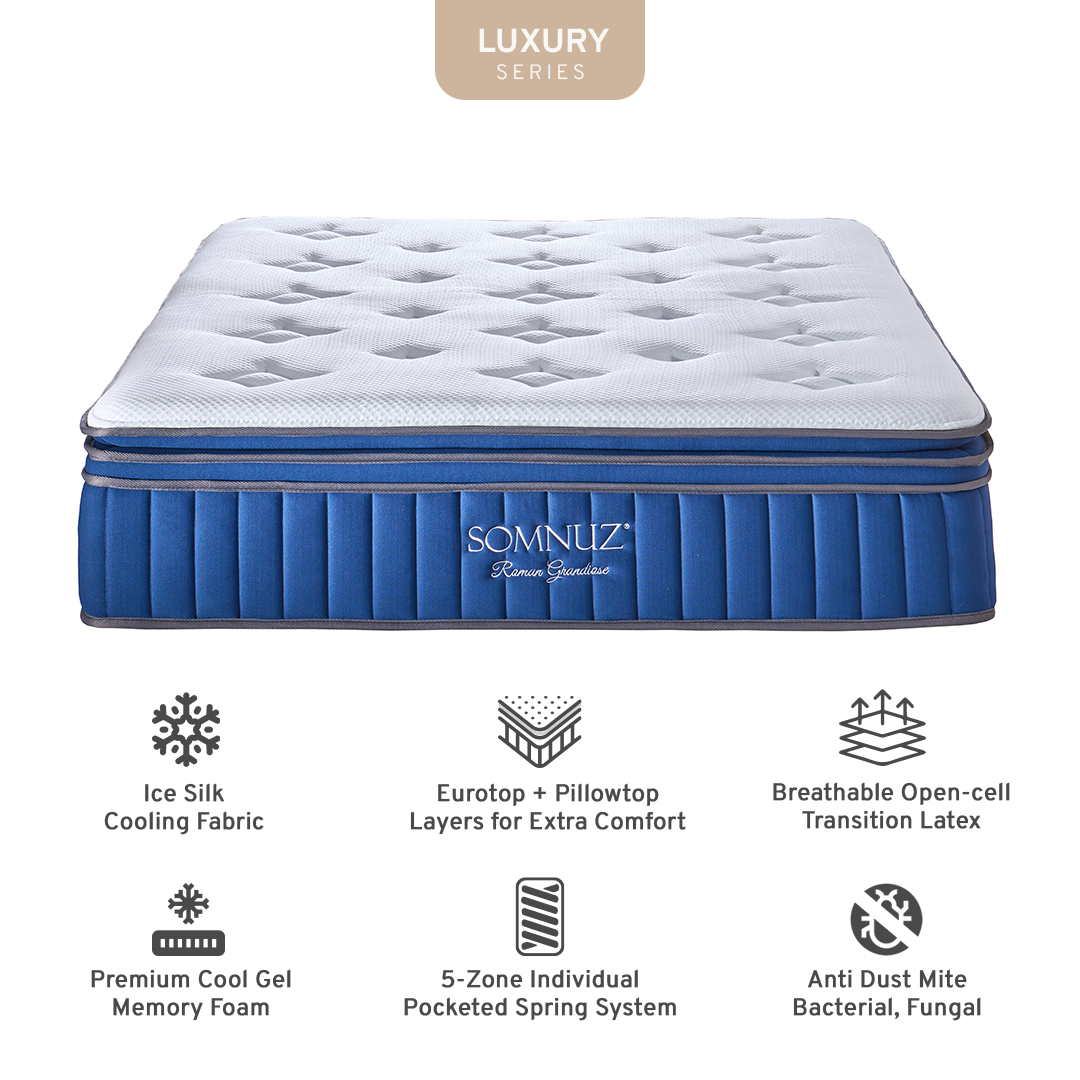


A pressure relieving mattress is designed to help the body feel more comfortable by reducing harsh contact points between the sleeper and the mattress surface. In everyday terms, it should feel supportive while offering enough cushioning where the body naturally presses into the bed.
For Singapore sleepers, this can matter in many situations. Side sleepers may want more comfort around the shoulders and hips. Couples may need a mattress that supports two different body types. Warm sleepers may want cushioning that does not feel heat-trapping. Families may be choosing mattresses for children, guests, or older parents and want something that feels steady and gentle.
It is important to be clear: a mattress does not treat or cure pain or medical conditions. If you have ongoing discomfort, injury, or a health concern, speak with a qualified healthcare professional. What a well-chosen mattress can do is support everyday comfort by balancing cushioning, support, breathability, and fit.
This guide explains what a pressure relieving mattress means, how it works, and what to compare before choosing one for your home.
What Does Pressure Relieving Mattress Mean?
A pressure relieving mattress is a mattress designed to reduce concentrated pressure on areas where the body meets the mattress. These areas often include the shoulders, hips, lower back, and knees, depending on sleeping position.
The goal is not simply softness. A mattress that is too soft may allow too much sink, while a mattress that is too hard may feel harsh. Pressure relief comes from the right balance of surface comfort and underlying support.
Different materials can provide pressure relief in different ways. Memory foam contours closely. Latex offers responsive cushioning. Pocketed springs support the body from underneath and may be paired with comfort layers on top.
You can start with the full Somnuz mattress collection to compare different comfort and support options for Singapore homes.
Why Pressure Comfort Matters
A mattress should help the body settle comfortably. If the surface feels too hard or uneven, certain areas may feel more noticeable during sleep.
For Side Sleepers
Side sleepers often place more weight on the shoulders and hips. A pressure relieving mattress may help these areas feel more cushioned while still keeping the body supported.
The mattress should not feel so soft that the body sinks too deeply. It should feel gentle on top and stable underneath.
For Back Sleepers
Back sleepers usually need a mattress that feels even and supportive. Too much softness may feel unstable, while too much firmness may feel uncomfortable.
A balanced mattress can help the body feel more settled across the full surface.
For Couples
Couples may need different levels of comfort and support. One person may prefer cushioning, while the other prefers a steadier feel.
A good pressure relieving mattress for couples should support both sleepers without feeling too soft, too hard, or too warm.
How Mattress Materials Affect Pressure Relief
Different mattress materials create different types of pressure comfort.
Memory Foam
A memory foam mattress is often associated with contouring comfort. It responds to body weight and gently shapes around the sleeper.
This can help create a cushioned surface, especially for side sleepers or people who prefer a closer mattress feel.
However, memory foam can feel warmer for some sleepers, so breathability matters in Singapore’s humid climate.
Latex
A latex mattress usually feels more responsive. It offers cushioning but with a lifted, buoyant feel.
Latex may suit sleepers who want pressure comfort without a deep sinking sensation. It can also feel more breathable for some warm sleepers.
Pocketed Springs
A pocketed spring mattress supports the body through individually wrapped springs. These springs respond more independently to weight.
Pocketed springs are often combined with comfort layers above them. This can create a balanced feel with support underneath and cushioning on top.
Firmness and Pressure Relief
Firmness is one of the most important parts of choosing a pressure relieving mattress.
Too Firm May Feel Harsh
A very firm mattress may feel stable, but it may not give enough surface comfort for some sleepers. Side sleepers may notice this most around the shoulders and hips.
Too Soft May Feel Unstable
A very soft mattress may feel comfortable at first, but it may allow too much sink. This can make movement harder and may not feel supportive over a full night.
Medium or Medium Firm May Suit Many Sleepers
Many shoppers start with medium or medium firm options because they offer a balance between cushioning and support.
The best firmness depends on your sleeping position, body weight, and personal preference. Somnuz’s Compare Our Mattresses page can help you compare different comfort levels more clearly.
Breathability Matters in Singapore
A pressure relieving mattress should also feel breathable enough for Singapore’s climate.
A mattress may feel comfortable at first, but if it traps heat, sleep comfort may be affected. This can be especially noticeable with thick bedding, shared beds, or rooms with limited airflow.
Look at the Full Sleep Setup
Breathability comes from the mattress cover, comfort layers, support system, sheets, mattress protector, and room ventilation.
Latex and pocketed spring designs may feel more breathable for some sleepers. Memory foam can still be comfortable, but the design should support airflow.
For broader sleep comfort guidance, Somnuz’s Sleep Well guide can help you think about bedding, airflow, and daily habits.
Pressure Relief for Different Sleeping Positions
The best pressure relieving mattress depends on how you sleep.
Side Sleepers
Side sleepers usually need more surface cushioning. A medium or medium soft feel may suit some, while others may prefer medium firm if they need more stability.
The mattress should let shoulders and hips settle slightly without causing the body to sink too far.
Back Sleepers
Back sleepers often prefer a mattress that feels even and steady. A medium firm feel may be a good starting point, but comfort still depends on the person.
The mattress should feel supportive across the back and hips.
Combination Sleepers
Combination sleepers need pressure comfort and easy movement. Latex or pocketed spring designs may feel more responsive, while memory foam may feel slower and more contouring.
If you move often, test whether turning feels natural.
What to Test Before Buying
A pressure relieving mattress should be tested in a way that reflects real sleep.
Lie Down in Your Usual Position
Do not judge only by touching the mattress. Lie down as you normally sleep. Stay for a few minutes and notice where your body feels supported or pressured.
Check Movement
Try turning. If the mattress feels too sinking or too stiff, it may not suit your sleep style.
Test With Your Partner
If you share the bed, both sleepers should test the mattress. A good shared mattress should support both people comfortably.
Check Edge Feel
Edge support matters if you sit on the side of the bed or share a smaller mattress. A stable edge can make the bed feel more usable.
When a Pressure Relieving Mattress May Not Be Enough
A pressure relieving mattress can support comfort, but it is not a medical solution.
If you have persistent pain, numbness, injury, or a health condition, seek advice from a healthcare professional. Mattress comfort is one part of rest, but it should not replace proper care.
Also, if your current mattress is sagging, uneven, or very old, adding a topper may not solve the issue. A worn mattress may need replacement rather than small adjustments.
Choosing With Confidence
A pressure relieving mattress should help you feel cushioned where needed and supported where it matters. The best choice balances comfort, firmness, breathability, and mattress size.
For Singapore homes, also think about humid weather, room airflow, shared sleep, and after-sales support. A mattress should feel comfortable in your real bedroom, not only in a product description.
If you are unsure what feel suits you, you can visit our showroom and compare memory foam, latex, pocketed spring, and other mattress options in person.
Frequently Asked Question
What is a pressure relieving mattress?
A pressure relieving mattress is designed to reduce harsh contact points by balancing surface cushioning with steady support. It should feel comfortable without being too soft or too hard.
Is a pressure relieving mattress good for side sleepers?
It can be suitable for side sleepers because they often need more cushioning around the shoulders and hips. The mattress should still provide stable support underneath.
Does a pressure relieving mattress help with pain?
A mattress can support sleep comfort, but it does not treat or cure pain. If you have ongoing pain or a medical concern, speak with a qualified healthcare professional.
What material is best for pressure relief?
Memory foam offers close contouring, latex gives responsive cushioning, and pocketed springs provide structured support with comfort layers. The best choice depends on your sleep preference.
Is a soft mattress better for pressure relief?
Not always. A soft mattress may feel cushioned, but it can sink too much. Good pressure relief comes from a balance of comfort and support.