

Finding mould on your mattress can feel worrying, especially in Singapore’s humid climate. Moisture can build up quickly in Singapore bedrooms when airflow is weak or bedding stays damp.
Small surface mould may be cleaned with care. Repeated mould growth may mean moisture is trapped inside the mattress. This guide explains how to clean surface mould, dry the mattress, and know when replacement makes sense.
Why Mould Can Appear On a Mattress
Mould grows when moisture stays trapped for too long. Warm rooms, sweat, spills, damp bedding, and poor ventilation can all create the right conditions.
Singapore’s humidity makes this more common, especially if the mattress sits on the floor, stays close to a wall, or has little airflow underneath.
Common Causes In Singapore Homes
Mould on a mattress often starts with simple room conditions or daily habits, such as:
- High indoor humidity
- Poor airflow under the mattress
- Mattress placed directly on the floor
- Damp sheets or mattress protectors
- Spills that were not dried fully
- Closed bedrooms with little air movement
Shared bedrooms may also trap more warmth, especially when thick bedding is used or windows stay closed for long periods.
Signs The Problem May Be More Than Surface Mould
Surface spots may be easier to treat. Deeper mould is harder because it may have moved into the mattress layers.
Look out for a musty smell, spreading dark spots, damp patches, mould on both sides, or stains near seams. If the smell or stains return, cleaning the surface may only hide the issue for a short time.
What To Do Before You Clean The Mattress
Before cleaning, reduce moisture and avoid spreading mould around the room. Preparation matters when the smell is strong or spots are visible.
Prepare The Area First
Move the mattress to a well-ventilated space where it can stay clean and dry.
Use these steps before cleaning:
- Remove all bedding and wash it separately
- Keep children and pets away
- Wear gloves when handling visible mould
- Use a mask if the smell is strong
- Open windows when weather allows
- Do not soak the mattress
Moisture is the main issue, so use as little liquid as possible. Too much water can push dampness deeper into the mattress.
Check The Mattress Label And Warranty
Check the care label before using any cleaner. Some fabrics, covers, and foam layers may not suit harsh chemicals or heavy scrubbing.
If the mattress is still under warranty, check the terms first. Stains, liquid damage, or chemical use may affect coverage.
How To Remove Mould From Mattress Surfaces
Small surface mould can sometimes be managed with gentle spot cleaning. The aim is to remove visible marks, reduce odour, and dry the mattress fully before use.
Step 1: Vacuum The Mattress Carefully
Use a vacuum with an upholstery attachment if available. Work slowly over the affected area to remove loose particles from the surface.
After vacuuming, empty the vacuum container or bag carefully. Seal the waste before throwing it away, then clean the attachment.
Step 2: Spot Clean The Affected Area
Use a mild cleaning method and test a hidden area first. Apply the cleaner lightly to a cloth, then dab the affected area. Do not pour liquid straight onto the mattress.
Avoid rough scrubbing because it can damage fabric and push moisture deeper.
Do not do the following:
- Do not soak the mattress
- Do not mix cleaning chemicals
- Do not use harsh bleach unless the care label allows it
- Do not cover the mattress while it is damp
- Do not sleep on the mattress before it dries fully
If the mould covers a large area, home cleaning may not be enough.
Step 3: Dry The Mattress Completely
Drying is as important as cleaning. Mould can return if moisture stays inside the mattress.
Place the mattress in a well-ventilated area. Use a fan to move air across the surface. Indirect sunlight may help when the weather allows. During rainy or humid periods, a dehumidifier can also help.
Give the mattress enough time to dry before putting sheets back on.
When Cleaning Is Not Enough
Some mould problems go deeper than the surface. If mould has spread into the mattress, cleaning may not restore the mattress well enough for daily sleep.
Replace The Mattress If Mould Has Spread Deeply
Replacement may be the better choice when mould keeps returning or the mattress has stayed wet for too long.
Consider replacing the mattress if:
- Mould keeps coming back after cleaning
- Musty smell stays after drying
- Inner layers feel damp
- Stains cover a large area
- Mould appears on both sides
- Mattress is old and losing support
Mould can make the mattress smell unpleasant, feel less comfortable, and reduce confidence in your sleep space.
What To Look For In a Replacement Mattress
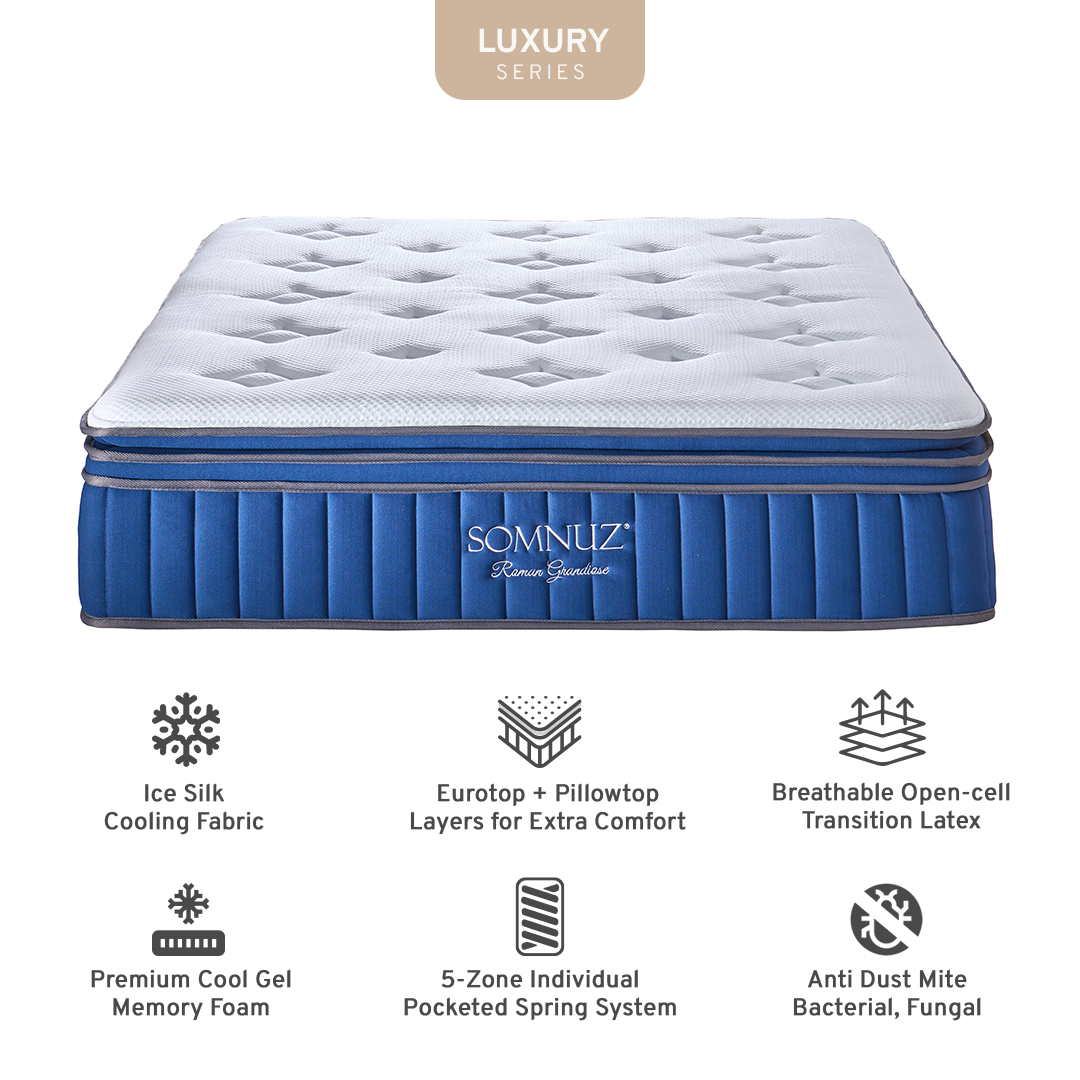
If replacement makes more sense, look for comfort, support, breathability, and dependable guidance. For humid Singapore homes, breathable materials can help reduce heat build-up and support a more comfortable sleep surface.
Couples may also prefer designs that reduce movement from one side of the bed to the other. Somnuz’s mattress collection gives you a clear place to start if your current mattress no longer feels clean, supportive, or comfortable.
How To Prevent Mould From Coming Back
Prevention starts with keeping the mattress dry, ventilated, and properly supported. Small habits can make a clear difference in humid homes.
Improve Airflow Around The Mattress
Air should move around the mattress, not just across the top. This matters in compact bedrooms and rooms where air-conditioning is used often.
Helpful steps include:
- Use a proper bed frame or base
- Avoid placing the mattress directly on the floor
- Leave space around the bed where possible
- Air the room when weather allows
- Use a fan or dehumidifier during damp periods
- Dry mattress protectors fully before use
Proper support under the mattress can help air move more freely in compact bedrooms.
Choose Materials That Suit Humid Nights
Mattress materials affect how warm or breathable the bed feels. Some materials allow air to move more easily, while others feel closer and more cushioning.
For Singapore homes, cooling comfort does not mean the mattress feels cold. It means the mattress is designed to reduce heat build-up and keep the sleep surface more comfortable. If heat and humidity are daily concerns, a cooling mattress Singapore option can help you compare features made for warmer nights.
Choosing A New Mattress With More Confidence
If mould has made replacement necessary, choose with care. The right mattress should suit your comfort preference, room conditions, and sleep routine.
Compare Comfort, Cooling, And Support
Different sleepers need different feels. Some prefer firmer support. Others prefer more cushioning. Couples may need comfort with reduced partner disturbance.
Compare firmness, breathability, support feel, motion control, material type, and after-sales support.
Somnuz keeps the process clearer through guided comparison. You can compare our mattresses to see which feel and support level may suit your home better.
Consider Shared Sleep Needs
For couples, movement across the bed can affect comfort. Pocketed springs move more independently, which can help reduce movement from one side of the mattress to the other.
Pocketed spring mattress options can offer a steadier feel for shared sleep without making the mattress feel too hard. Comfort is still personal, so comparing firmness levels in person helps both sleepers choose with more confidence.
Remove Mould From Mattress Safely And Know When To Replace It
Learning how to remove mould from mattress surfaces starts with moisture control. Small surface mould may be cleaned carefully, but deep mould, strong odour, or repeated growth can mean the mattress is no longer right for daily use.
For Singapore homes, prevention matters as much as cleaning. Better airflow, dry bedding, a proper bed base, and breathable mattress materials can help reduce the chance of mould returning.
If you are unsure what type of mattress suits your home, comfort preference, or shared sleep needs, visiting a mattress showroom Singapore can help you compare the range in person and choose with more confidence.
Need Help Choosing A Cleaner, More Comfortable Mattress?
Shop the Collection online to compare supportive, breathable options for your home. Compare Our Mattresses to understand comfort, cooling, and support in a clearer way. Visit the Showroom for calm guidance from the Somnuz sleep team before you choose.
Frequently Asked Questions
Can I sleep on a mattress with mould?
It is better not to sleep on a mattress with visible mould, strong smell, or damp areas. Clean and dry the mattress first if the mould is minor. Replace it if mould has spread deeply or keeps returning.
Can mould be fully removed from a mattress?
Small surface mould may be removed with careful cleaning and full drying. Deep mould is much harder to remove because it can move into the inner layers.
What causes mould on a mattress in Singapore?
Singapore’s humid climate can make moisture build-up more common. Poor airflow, damp bedding, spills, sweat, and placing a mattress directly on the floor can all increase the risk.
How do I stop mould from coming back on my mattress?
Keep the mattress dry and well-ventilated. Use a proper bed frame, air the room when possible, wash bedding regularly, and avoid covering the mattress while it is damp.
Should I clean or replace a mouldy mattress?
Cleaning may be enough for small surface spots if the mattress dries fully and the smell does not return. Replacement is usually better if mould covers a large area or keeps coming back.
Can a mattress showroom help me choose a better replacement?
Yes. Visiting a showroom lets you compare comfort levels, support feels, and material types in person. This helps when choosing for a shared bedroom, humid home, or specific firmness preference.