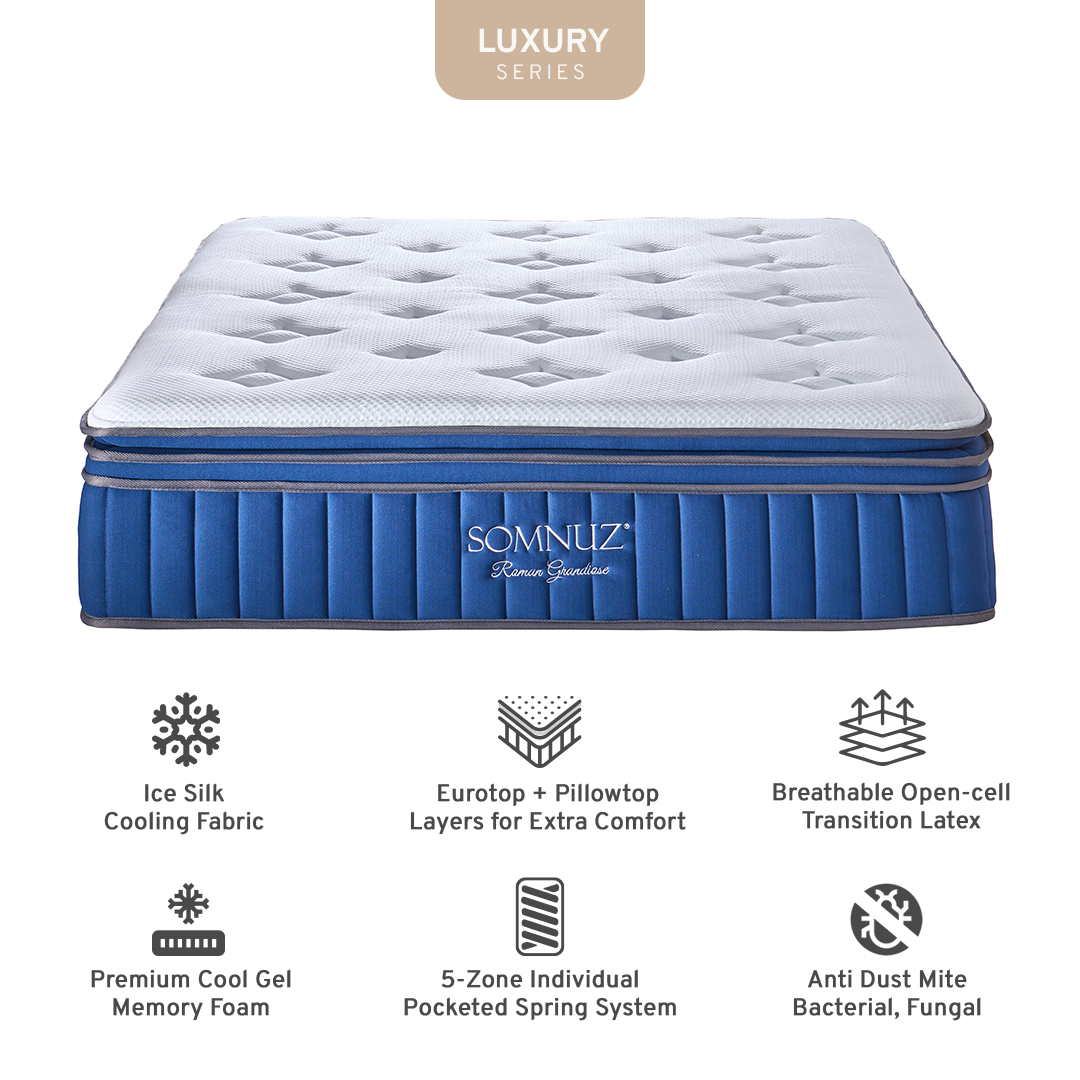


Keeping a mattress properly sanitised is more relevant in Singapore than in many other countries. The combination of year-round warmth, high humidity, and the fact that we spend a third of our lives in contact with our mattress creates conditions where hygiene maintenance genuinely matters for both comfort and health.
This guide explains what effective mattress sanitisation involves, how frequently different cleaning activities should be done, and what professional services are available in Singapore.
Why Mattress Hygiene Matters in Singapore
Over time, a mattress accumulates sweat, skin cells, body oils, and moisture. In Singapore's warm climate, this accumulation provides ideal conditions for dust mite proliferation and, if moisture is significant enough, mould development.
Dust mites are microscopic organisms that live in bedding and mattresses across most homes. They feed on shed skin cells and thrive in warm, humid environments. Their waste products are a common allergen trigger. Regular cleaning does not eliminate dust mites entirely but reduces their population and the concentration of allergens.
Mould is a more serious concern that can develop when moisture accumulates in mattress materials without adequate opportunity to dry. In Singapore's humidity, a mattress without a protector in a poorly ventilated room is more vulnerable to this than in drier climates.
Practical Mattress Sanitisation Steps at Home
Regular Vacuuming
Vacuuming the mattress surface every one to two months removes accumulated dust, skin cells, and surface debris. Use an upholstery attachment and work methodically across the surface, paying particular attention to seams and edges. This reduces the food source for dust mites and keeps the surface cleaner between deeper cleaning.
Baking Soda Treatment
Sprinkling bicarbonate of soda over the mattress surface and allowing it to sit for several hours before vacuuming it off absorbs moisture and odours. This is particularly effective for refreshing a mattress that has developed a slightly stale smell from accumulated moisture. Doing this every three to six months is a practical habit in Singapore's climate.
Spot Cleaning Stains
Address stains promptly using a clean cloth and an appropriate cleaning solution. A mild solution of dish soap and cold water works for most surface stains. For urine or other organic stains, an enzymatic cleaner is more effective. Blot rather than rub to avoid spreading the stain, and allow the area to dry completely before replacing bedding.
Airing the Mattress
If practical, removing the mattress protector and bedding and allowing the mattress to air in a well-ventilated space helps reduce moisture accumulation. In Singapore's climate, doing this near an open window with good airflow is more effective than in a closed room.
Professional Mattress Sanitisation Services in Singapore
Several professional mattress cleaning services operate in Singapore, using methods including steam cleaning, UV-C light treatment, and chemical treatments.
Steam cleaning uses high-temperature steam to kill dust mites, bacteria, and other microorganisms on and near the mattress surface. It is one of the most effective methods for reducing biological contaminants without chemical residue.
UV-C light treatment uses ultraviolet light to kill microorganisms on the surface. It is a dry method with no drying time required, though it is most effective on surface-level organisms rather than those deeper within the mattress.
Professional services typically cost between SGD 50 to 150 per mattress depending on the size and methods used, and are worth considering once or twice a year for primary sleeping mattresses, particularly in households with allergy or asthma concerns.
Prevention Is More Effective Than Cleaning
The most effective approach to mattress hygiene in Singapore is prevention rather than remediation. A quality mattress protector used from the first night is by far the most practical step.
A breathable waterproof protector prevents moisture, sweat, and body oils from reaching the mattress materials. It can be washed regularly, maintaining a clean sleeping surface without the mattress itself accumulating the substances that require deeper cleaning.
Washing the protector every one to two weeks, ensuring good bedroom ventilation, and rotating the mattress every few months are the combined habits that maintain a mattress in good condition significantly longer than cleaning alone.
If you are considering a new mattress, the Somnuz mattress collection includes options designed for Singapore's conditions. The Sleep Well resource page covers broader guidance on maintaining a healthy sleep environment. For advice on choosing a mattress that is easier to maintain in Singapore's climate, visit our mattress showroom in Singapore.
Frequently Asked Questions
How often should I clean my mattress in Singapore? Vacuum the mattress every one to two months. Apply a bicarbonate of soda treatment every three to six months for odour and moisture management. Spot clean stains as they occur. Professional sanitisation once or twice a year is worth considering for primary sleeping mattresses.
Can I steam clean a mattress at home in Singapore? Yes, if you have access to a steam cleaner with an upholstery attachment. High-temperature steam kills dust mites and surface microorganisms effectively. Allow adequate drying time before replacing bedding, which is longer in Singapore's humidity.
Does a mattress protector eliminate the need for cleaning? It significantly reduces accumulation in the mattress itself, as it acts as a washable barrier. The protector itself still needs regular washing. Using a protector from the start and washing it frequently is the most effective preventive approach.
What professional mattress cleaning services are available in Singapore? Several companies offer steam cleaning, UV-C treatment, and chemical sanitisation for mattresses in Singapore. Prices typically range from SGD 50 to 150 per mattress. A professional service once or twice a year complements regular home maintenance.
Can mould be cleaned out of a mattress? Surface mould on the outer fabric can sometimes be treated with antifungal solutions. Mould that has penetrated into the foam or other internal materials is much harder to address effectively, and in these cases replacement is the more practical hygiene decision.
How do I know if my mattress needs replacing for hygiene reasons? Signs include persistent odour that does not respond to cleaning, visible mould or staining that has penetrated the surface, or a mattress that is already old and has been used without adequate protection throughout its life. At seven to ten years of age, replacing rather than attempting deep cleaning is often the more practical choice.
Start Fresh With a Well-Maintained Mattress
Good hygiene habits and the right mattress from the start make a real difference to how long a sleeping surface stays in good condition.
Browse the Somnuz mattress collection to find options suited to Singapore's conditions. Or visit our showroom in Singapore for practical guidance on choosing a mattress that is easy to maintain.