

Vacuuming a mattress is one of those maintenance tasks that is frequently recommended but not always clearly explained. Understanding what vacuuming actually achieves, how to do it properly, and how it fits into a broader mattress care routine helps you make it a genuinely useful habit rather than a box-ticking exercise.
What Vacuuming a Mattress Does
A mattress accumulates dust, skin cells, hair, and other debris on its surface and in its seams and crevices over time. This accumulation is not visible in the way that a dusty bookshelf might be, but it is present and provides a food source for dust mites, the microscopic organisms that are among the most common household allergens.
Vacuuming removes this surface debris, reducing the food source for dust mites and physically removing some dust mite populations and their waste from the mattress surface. It also removes general surface dirt and contributes to the overall hygiene of the sleeping environment.
Vacuuming does not eliminate dust mites entirely, as they live throughout the mattress depth rather than only on the surface. But regular vacuuming is a meaningful part of reducing their concentration alongside other hygiene practices.
How to Vacuum a Mattress Effectively
Strip all bedding and the mattress protector from the mattress before vacuuming. The protector itself should be washed separately.
Use an upholstery attachment on the vacuum cleaner rather than the standard floor head. The upholstery attachment is designed for softer surfaces and is more effective at lifting debris from fabric without being too abrasive.
Work methodically across the entire top surface in overlapping passes, moving slowly enough for the suction to work effectively. Then address the sides of the mattress and, if practical, the underside.
Pay particular attention to seams, edges, tufts, and any folds or crevices where debris, skin cells, and dust mites accumulate preferentially. Use a crevice tool attachment for these areas.
After vacuuming the mattress, also vacuum the bed base, frame, and headboard if accessible, as these areas harbour the same types of debris and can recontaminate a freshly vacuumed mattress.
How Often to Vacuum a Mattress in Singapore
In Singapore's warm and humid conditions, vacuuming every one to two months is a practical frequency for primary sleeping mattresses. The warmth and humidity that make dust mites more prevalent in Singapore's homes make regular vacuuming more relevant than in cooler, drier climates.
Monthly vacuuming is appropriate for households with allergy or asthma concerns where dust mite management is a priority.
What Vacuuming Does Not Do
Vacuuming alone is not sufficient for comprehensive mattress hygiene. It addresses surface-level debris but does not kill dust mites, does not remove odours or moisture accumulation from the mattress materials, and does not address staining.
To complement vacuuming, using a bicarbonate of soda treatment every three to six months helps absorb moisture and odour. Spot cleaning stains promptly with appropriate cleaning solutions addresses marks before they set. Professional steam cleaning once or twice a year is effective for deeper hygiene maintenance.
Most importantly, using a quality mattress protector from the first night prevents much of the debris accumulation that makes vacuuming necessary in the first place. A protector that is washed every one to two weeks maintains a clean sleeping surface and reduces the load on the mattress itself.
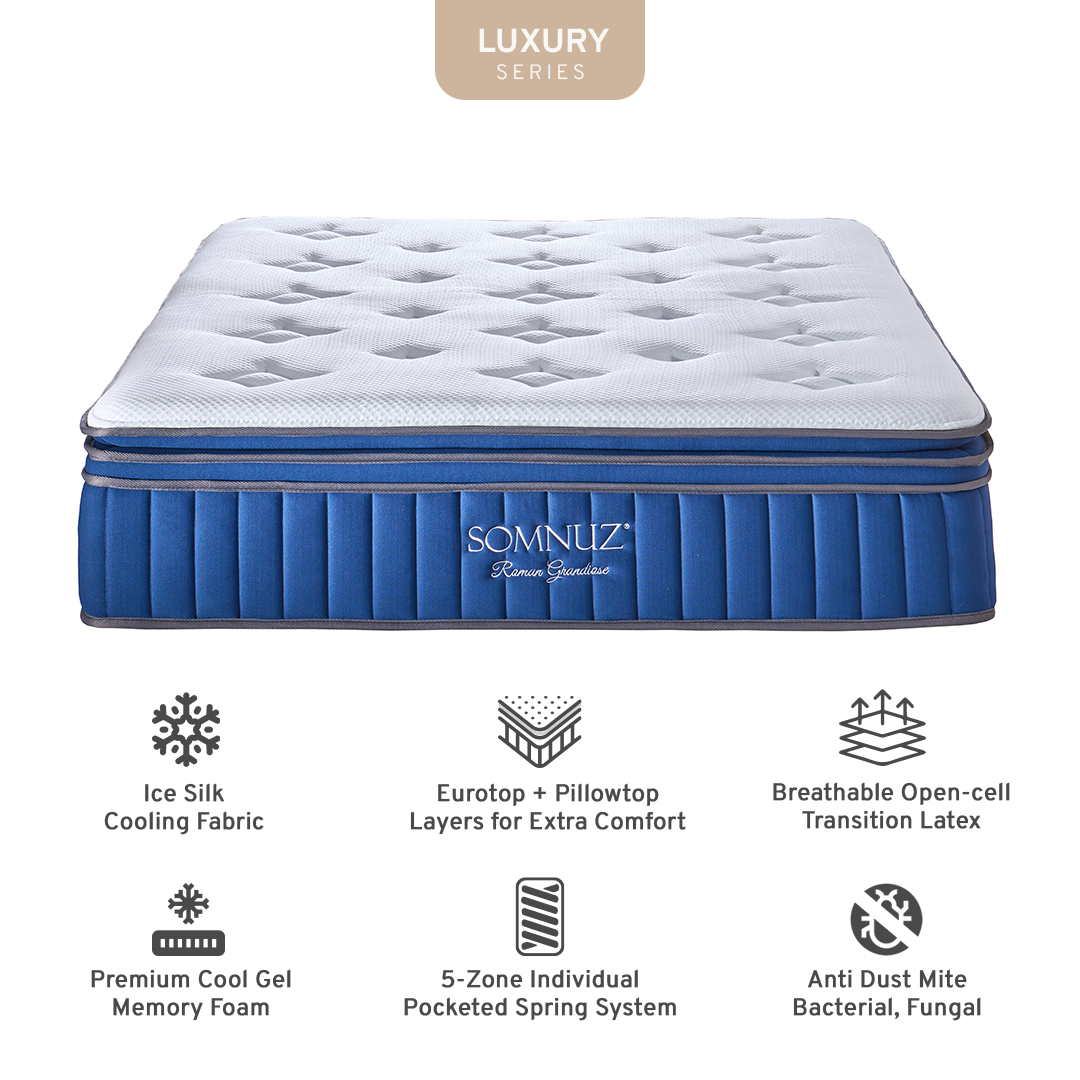
The Somnuz mattress collection includes options designed for Singapore's conditions. The Sleep Well resource page covers comprehensive guidance on maintaining a healthy sleep environment. For advice on choosing a mattress that is easy to maintain, visit our showroom in Singapore.
Frequently Asked Questions
Should you vacuum your mattress?
Yes. Vacuuming removes surface debris, skin cells, and some dust mite populations, reducing the allergen load and general hygiene concern on the mattress surface. It is a useful part of a regular mattress care routine.
How often should you vacuum a mattress in Singapore?
Every one to two months for most households. Monthly for those with allergy or asthma concerns where dust mite management is more important.
Does vacuuming eliminate dust mites from a mattress?
It reduces the surface population and removes debris that provides a food source, which helps manage dust mite levels over time. It does not eliminate all dust mites, as they inhabit the mattress throughout its depth. A mattress protector, regular washing of bedding, and occasional steam cleaning address dust mites more comprehensively.
What attachment should I use to vacuum a mattress?
An upholstery attachment for the main surface area and a crevice tool attachment for seams, edges, and folds. These are more effective than a standard floor head for this application.
Is it worth buying a specialist mattress vacuum?
Some specialist handheld vacuums designed for mattresses include UV-C lights and specialised suction for allergen removal. For most households, a standard vacuum with the appropriate attachments is sufficient. Specialist models may provide additional benefits for those with significant allergy concerns.
Does vacuuming a mattress damage it?
No, when done with an appropriate upholstery attachment. Vacuuming with a harsh or abrasive head could potentially pull at the cover fabric, but standard upholstery tools designed for soft surfaces do not damage a well-made mattress.
Look After Your Mattress for Better Long-Term Sleep
Regular vacuuming is one part of good mattress care. Combined with a protector, clean bedding, and periodic deeper cleaning, it helps your mattress stay in good condition for longer.
Browse the Somnuz mattress collection to find mattresses suited to Singapore. Or visit our showroom for guidance on choosing and caring for the right option.