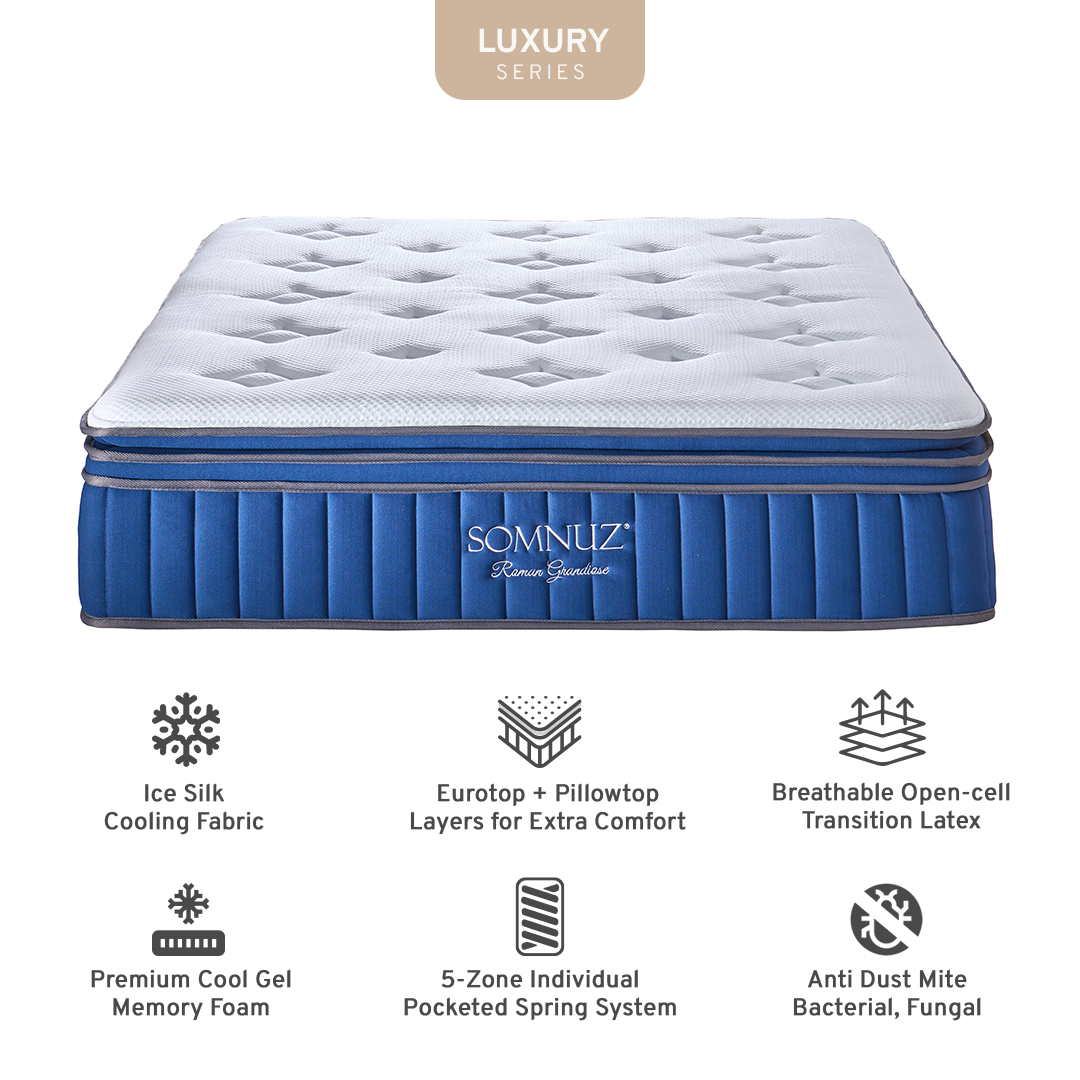


A soft mattress sounds appealing to almost everyone at first. The idea of sinking into a cushioned, enveloping surface at the end of the day has obvious appeal. But a soft mattress is not the right choice for every sleeper — and choosing one without understanding whether it actually suits the way you sleep can lead to a less comfortable night than you expected.
This guide explains who a soft mattress genuinely suits, what to look for when choosing one, and the honest trade-offs that are worth understanding before you decide.
What Makes a Mattress 'Soft'?
A soft mattress has a thicker, more yielding comfort layer on top of the support core. When you lie on it, the surface compresses more readily and allows the body to sink in further than a medium or firm option would. The result is a more cushioned, cradling feel — one that many sleepers find immediately appealing but that suits some sleep positions and body types better than others.
Softness in a mattress is not the same as poor support. A well-made soft mattress has a quality support core beneath the comfort layers — typically pocket springs or a dense latex base — that maintains the structural integrity of the mattress even as the surface yields. A cheap soft mattress, by contrast, may simply be poorly made foam that collapses quickly under regular use.
Who Genuinely Benefits From a Softer Mattress?
Side Sleepers
Side sleepers are the most natural fit for a softer mattress. When lying on the side, the shoulder and hip are the main pressure points — and a surface that allows these to sink in slightly helps keep the spine more aligned. On a very firm surface, the shoulder and hip are pushed upward, which can create discomfort across the back and neck over the course of a night.
If you sleep predominantly on your side and find medium-firm mattresses create pressure at the shoulder or hip, a softer option is worth trying.
Lighter Individuals
A mattress that feels medium-firm to a heavier person may feel quite firm to a lighter individual because the surface does not compress as readily under less weight. Lighter sleepers sometimes find that a softer mattress provides a more comfortable and supported feel, as the surface responds more noticeably to their body weight.
Sleepers Who Prefer a Cradling, Enveloping Feel
Some people simply prefer the sensation of a surface that wraps around them rather than pushing back. This is a matter of personal preference as much as physiology. If you have always found firmer mattresses uncomfortable and consistently sleep better on softer surfaces, a soft mattress may genuinely be the right fit for you.
Who Should Be Cautious About a Soft Mattress?
Back and Stomach Sleepers
Back sleepers generally need a surface that supports the lower back without letting the hips sink too deeply — which is where very soft mattresses can cause problems. When the hips sink further than the shoulders, the spine can curve out of a neutral position, which some sleepers find creates discomfort over a full night.
Stomach sleepers face a similar issue. A soft surface allows the midsection to sink down, which can arch the lower back and lead to morning discomfort. For these sleep positions, a medium-firm to firm mattress tends to work better.
Heavier Individuals
A soft mattress under a heavier person may compress significantly, reducing the effective support the mattress provides and wearing the comfort layers faster. For heavier sleepers, a medium-firm or firm mattress typically provides more consistent support over time.
Couples With Different Preferences
In a shared bed, if one partner prefers a soft surface and the other a firmer feel, a very soft mattress is unlikely to be the right compromise. A medium or medium-firm option tends to offer a more balanced experience for couples with different firmness preferences.
What to Look for in a Quality Soft Mattress
A Supportive Core Beneath the Soft Comfort Layer
The most important thing to check in any soft mattress is what sits beneath the comfort layers. A well-made soft mattress has a quality support core — individually pocketed springs, a dense latex base, or high-density foam — that maintains structural support even as the surface yields. Without this, the mattress will feel soft but unsupported, which is both uncomfortable and not good for long-term durability.
The Somnuz pocketed spring mattress collection includes options with varying comfort layer depths, giving a softer surface feel while retaining a well-structured spring support core beneath.
Breathability
Thicker comfort layers in soft mattresses can retain more heat than thinner ones — and in Singapore's warm and humid climate, this is a genuine consideration. Look for soft mattresses with breathable cover fabrics, open-cell foam layers, or natural latex comfort layers that allow airflow while still providing that cushioned feel.
Natural latex comfort layers offer a softer, more responsive feel alongside natural breathability. The Somnuz natural latex mattress collection is worth exploring for a softer surface that still manages heat effectively.
Durability of the Comfort Layer
Soft comfort layers tend to show wear more quickly than firmer ones, simply because the materials compress more under regular use. Look for a soft mattress with quality comfort layer materials — natural latex or high-density memory foam — rather than basic low-density foam that will compress noticeably within a year or two.
Trying a Soft Mattress in Person
The most reliable way to know whether a soft mattress suits you is to lie on one in your actual sleep position for at least five to ten minutes. The initial sensation of sinking into a soft surface is immediately appealing, but five minutes in you will have a clearer sense of whether the underlying support feels right or whether you are left feeling unsettled.
If you try a soft mattress and notice that your lower back feels unsupported or your hips are sinking too far, a medium or medium-firm option is likely a better fit. If the surface feels comfortable and your body feels well-supported despite the cushioning, the softness is working for you.
The Somnuz experience centre at 134 Joo Seng Road, Level 2, Singapore 368359 is open daily from 11:30 am to 9:00 pm. You can try the full mattress collection across different firmness levels in person, with guidance from the team on which options are likely to suit the way you sleep.
Frequently Asked Questions
Is a soft mattress bad for your back?
Not necessarily — it depends on how you sleep. Side sleepers often find a softer surface comfortable and supportive. Back and stomach sleepers are more likely to experience discomfort on a very soft mattress, as the hips can sink too far and the lower back loses its neutral position. The right firmness depends on your sleep position, not a general rule.
How do I know if I need a soft mattress?
If you are a side sleeper who consistently finds medium or firm mattresses uncomfortable at the shoulder and hip, a softer option is worth trying. If you are a back or stomach sleeper who wakes with lower back discomfort on your current soft mattress, a firmer option may serve you better.
Can a soft mattress last as long as a firm one?
A well-made soft mattress with quality comfort layers — natural latex or high-density foam — can last eight to ten years like any other quality mattress. A soft mattress with low-density foam comfort layers tends to compress and lose its feel faster under regular use.
Is a soft mattress suitable for Singapore's climate?
It can be, provided the materials are breathable. Thick comfort layers can retain heat, which is a concern in Singapore's humidity. Look for soft mattresses with open-cell foam, natural latex comfort layers, or breathable cover fabrics to manage heat while still providing the cushioned feel.
What is the difference between soft and medium-firm?
A soft mattress has thicker comfort layers that yield more readily, allowing the body to sink in further. A medium-firm mattress has thinner or denser comfort layers that provide cushioning while offering more surface resistance. In practice, the difference is immediately noticeable when you lie on both back to back.
Explore the Somnuz Range Across Firmness Levels
Somnuz offers mattresses across a range of firmness levels to suit different sleep styles. Browse the full mattress collection online to compare options, or visit the experience centre to try different firmness levels in person and find what genuinely suits the way you sleep.