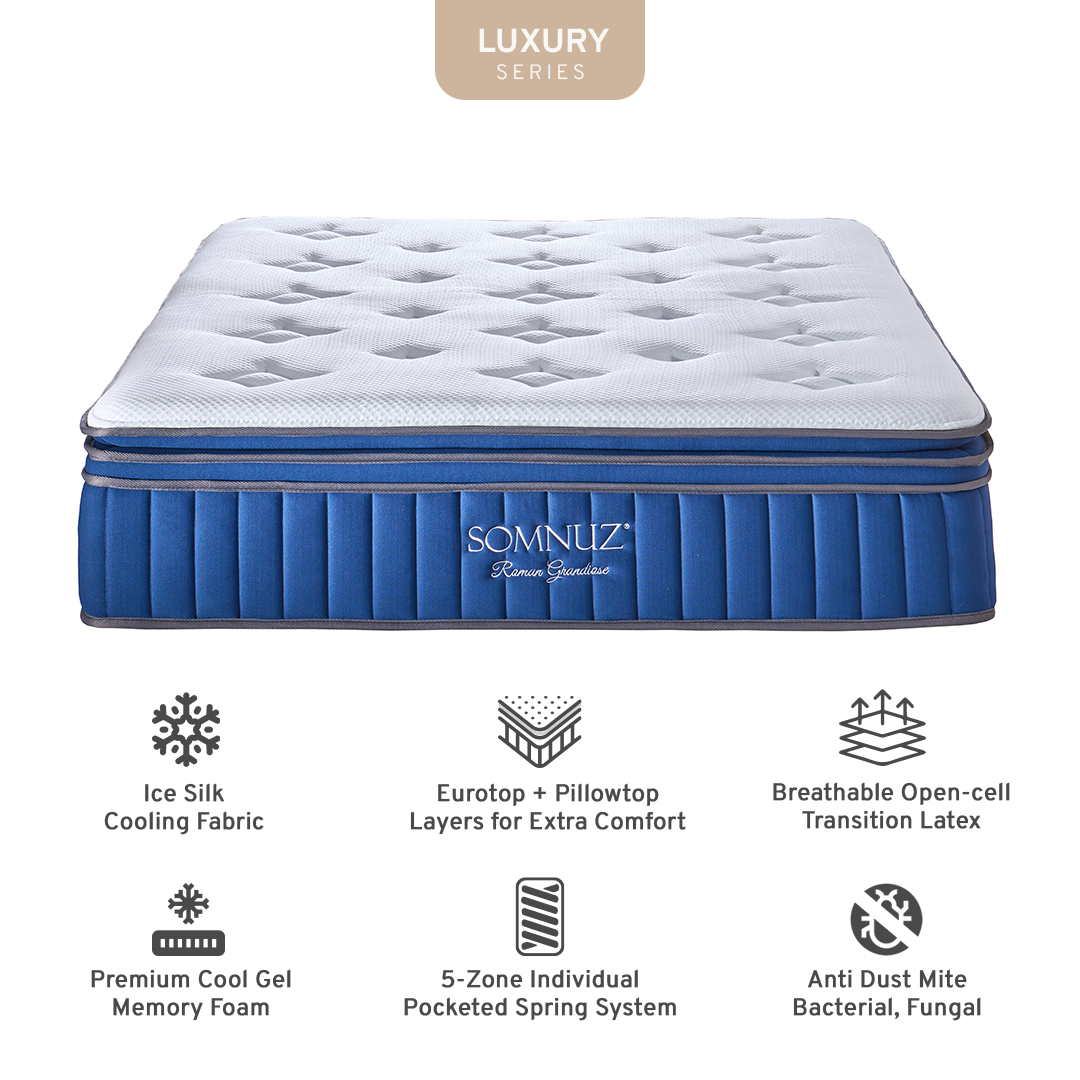


If you have ever searched for the most comfortable mattress, you have probably noticed that everyone seems to have a different answer. One person swears by memory foam. Another insists nothing beats a spring mattress. A third says latex changed their sleep entirely. They are all telling the truth, and that is the point.
Comfort in a mattress is not a single fixed quality. It is the result of several factors working together in a way that suits your body, your sleeping position, the climate you sleep in, and who you share the bed with. The most comfortable mattress for you is the one that gets all of those factors right, not the one with the most five-star reviews or the highest price tag.
This guide helps you understand what actually drives mattress comfort and how to find what works for your specific situation.
Why There Is No Universal Answer
The idea of a single most comfortable mattress is appealing, but it does not hold up when you look at how differently people actually sleep.
A side sleeper needs a mattress that cushions the shoulder and hip, allowing the spine to remain in a neutral position without pressure building at those contact points. A mattress that is too firm will create discomfort there over the course of a night. The same mattress might be exactly right for a back sleeper who needs a flatter, more even surface for support.
Bodyweight plays a role too. A lighter person will not compress the upper layers of a mattress as deeply as a heavier one, which means the same mattress can feel noticeably firmer or softer depending on who is lying on it.
Then there is the question of temperature. In Singapore's warm and humid climate, a mattress that retains heat creates a meaningfully different sleeping experience than one that stays cool. What feels comfortable during an air-conditioned night might feel stifling when the air conditioning is off.
The takeaway is not that finding a comfortable mattress is difficult. It is that the search needs to start with you, not with a list of top-rated products.
What Mattress Comfort Actually Comes Down To
When people describe a mattress as comfortable, they are usually pointing to a combination of a few specific qualities.
Pressure relief. A comfortable mattress distributes your body weight evenly so that no single area of the body carries disproportionate pressure. For side sleepers, this means adequate cushioning at the hip and shoulder. For back sleepers, it means support that allows the lower back to rest without tension. When a mattress does this well, you are less likely to toss and turn during the night.
Support. Comfort and softness are not the same thing. A mattress can feel plush on the surface but still provide the underlying support needed to keep the spine in a healthy position throughout the night. A mattress that is too soft without sufficient support underneath can cause the lower back and hips to sink out of alignment, leading to discomfort that builds over time.
Temperature regulation. As mentioned, this is particularly relevant in Singapore. A mattress that manages heat well allows you to maintain a comfortable body temperature overnight, which contributes to deeper and more continuous sleep. This is one reason why material choice matters so much in this climate.
Motion isolation for shared beds. If you sleep with a partner, how well the mattress absorbs movement affects both of you. A mattress with poor motion isolation means that every shift your partner makes transmits across the surface to your side. Over a full night, this adds up to significant sleep disruption even if neither of you is fully aware of it.
How Different Materials Affect Comfort
The material inside a mattress shapes nearly every aspect of how it feels and performs. Here is an honest comparison of the main options.
Memory Foam
Memory foam contours closely to the body in response to heat and weight. For many sleepers, this close contact feels very comfortable, particularly those who sleep on their side and benefit from cushioning at pressure points. The sensation is one of being cradled rather than sitting on top of the mattress.
The practical consideration in Singapore is heat. Denser memory foam can retain warmth overnight. If you sleep warm or tend to wake up hot, look for memory foam options with open-cell construction or ventilation channels, which allow for better airflow through the material.
Latex
Latex mattresses offer a different kind of comfort. Natural latex has a springy, buoyant quality that cushions the body without the deep sinking feel of memory foam. It responds quickly to movement, which suits combination sleepers who shift position during the night. It is also naturally breathable and tends to sleep cooler, making it a strong option for Singapore's climate.
Latex is resilient and durable, holding its shape and support over time without developing significant body impressions. For those who want comfort that remains consistent year after year, latex is worth serious consideration.
Pocketed Spring
A pocketed spring mattress uses individually wrapped coils that respond independently to pressure. This creates a supportive, responsive feel across the entire surface, with good airflow through the spring structure that helps keep the mattress cool.
For couples, pocketed springs excel at motion isolation. Because each coil moves independently, movement on one side of the bed is absorbed locally rather than transmitted across the surface. This makes pocketed spring a strong choice for shared sleeping environments, particularly on a queen or king-sized mattress.
The feel of a pocketed spring mattress is generally more traditional than foam or latex, with a combination of bounce and support that many sleepers find very comfortable over the long term.
Finding Your Comfort by Sleeping Position
Your primary sleeping position is one of the most useful starting points for narrowing down what will feel comfortable to you.
Side sleepers generally do best with a medium to medium-soft mattress that provides enough give at the shoulder and hip to reduce pressure while maintaining underlying support. Memory foam and softer latex options tend to suit side sleepers well.
Back sleepers usually need a medium to medium-firm surface that keeps the spine in a neutral position without allowing the lower back to sink. A pocketed spring mattress or a firmer latex option tends to work well for back sleeping.
Stomach sleepers generally need a firmer surface to prevent the hips from sinking below the rest of the body, which can strain the lower back. A firm latex or spring mattress is usually the most appropriate choice for this position.
Combination sleepers who move between positions benefit from a responsive mattress that adjusts as they shift. Latex is particularly well suited here due to its quick response time and balanced feel across different positions.
The Role of Singapore's Climate in Mattress Comfort
This is worth addressing directly because it shapes the mattress buying decision in ways that are specific to living here.
Singapore's heat and humidity mean that a mattress which sleeps warm can noticeably reduce sleep quality, even if it feels comfortable in other ways. Air conditioning helps, but not everyone runs it all night, and bedroom temperatures still tend to be warmer than in cooler climates.
Latex and pocketed spring mattresses generally manage heat better than denser foam options. If you tend to sleep warm, prioritise breathability alongside the other comfort factors when making your decision. This is not a minor detail. For many Singapore sleepers, it makes a significant difference to how well they sleep night after night.
The Most Comfortable Mattress Is One You Have Tried
Reading about comfort is useful for narrowing your options, but the most reliable way to find the most comfortable mattress for you is to experience the difference in person.
Descriptions and specifications can tell you a lot about materials and construction, but they cannot replicate the feeling of lying on a mattress in your sleeping position and noticing how it responds to your body. Even within the same material category, different constructions feel meaningfully different.
At our mattress showroom in Singapore, you can try the range across latex, memory foam, and pocketed spring options in person, take your time, and ask questions based on your specific situation. Our team is there to help you work through the options without pressure, whether you know exactly what you are looking for or are starting from scratch.
For broader guidance on creating a sleep environment that supports good rest, our Sleep Well guide is a helpful companion to the mattress decision itself.
Frequently Asked Questions
Is a more expensive mattress always more comfortable?
Not necessarily. Comfort depends on how well a mattress suits your sleeping position, body type, and preferences, not on its price point. A well-chosen mid-range mattress that matches your needs will serve you better than an expensive one that does not. Focus on fit rather than cost.
How do I know if a mattress is too soft or too firm for me?
If you consistently wake up with tension or soreness in your lower back or hips, the mattress may be too soft and lacking in underlying support. If you wake with stiffness or pressure at your shoulders or hips, it may be too firm. Both signals tend to become clearer after two to three weeks on a new mattress once the initial adjustment period has passed.
Can two people with different comfort preferences share one mattress?
Yes, with some thoughtful selection. A pocketed spring mattress with zoned support accommodates different comfort needs across the sleeping surface reasonably well. Alternatively, a medium-firm option that neither person finds extreme can often work as a comfortable middle ground for both.
Does mattress comfort change over time?
Yes. Most mattresses soften slightly over the first few weeks as the materials settle. Beyond that, a well-made mattress should maintain its comfort and support for seven to ten years. If a mattress has lost significant support or developed visible sagging before that point, it is likely affecting your sleep quality and worth replacing.
Is latex or memory foam more comfortable for Singapore's climate?
Both can be comfortable, but latex tends to sleep cooler due to its natural breathability. If you are sensitive to heat overnight, latex is generally the better choice for Singapore's climate. Memory foam with open-cell or aerated construction can also manage heat reasonably well if you prefer its feel.
How long does it take to know if a mattress is comfortable?
Allow at least two to three weeks before forming a definitive impression. The first week on a new mattress often feels different from what you are used to as your body adjusts. Consistent feedback, whether positive or negative, that continues beyond that adjustment period is the most reliable signal.
Find Your Most Comfortable Mattress
The most comfortable mattress is not a universal product. It is the one that suits how you sleep, who you sleep with, and the conditions you sleep in.
Browse the Somnuz mattress collection to compare options across latex, memory foam, and pocketed spring, or visit our showroom to try the range in person and find what genuinely works for you. We are here to help you make a decision you will feel good about, every morning.